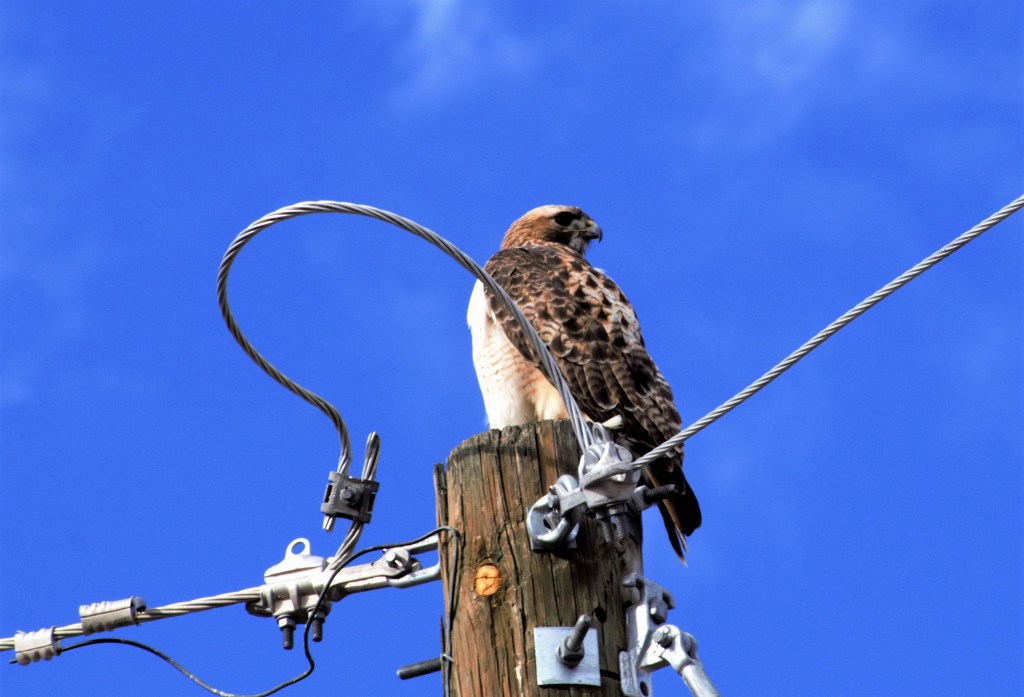
Red-tailed Hawk
Red-tailed hawks are found extensively in North and Central America. There are over a million Red-tails in the contiguous US alone. So it comes as no surprise that they are plentiful here in Colorado and I have seen them often while on WaltAbout. Seeing them year-round they have shown their adaptability and ability to thrive in just about any habitat across the state. I have seen them in the foothills, forests, fields, towns, and the suburbs. Red-tails are a the second largest member of the Buteo hawks and has has a remarkable variation in plumage across its range but all have that distinctive reddish tail that gives the raptor its name.
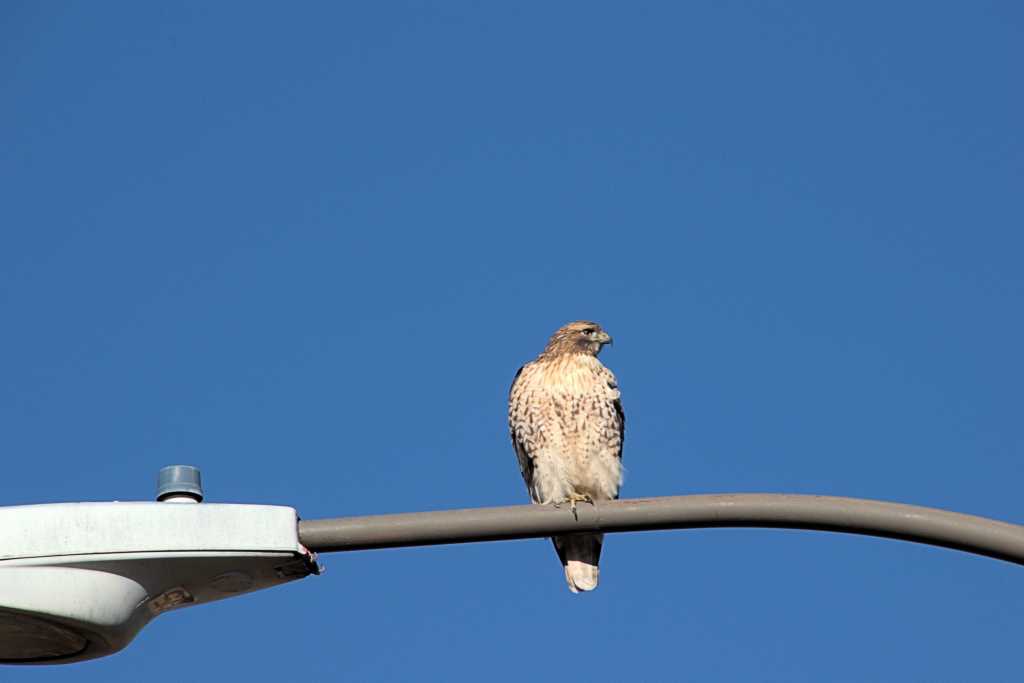
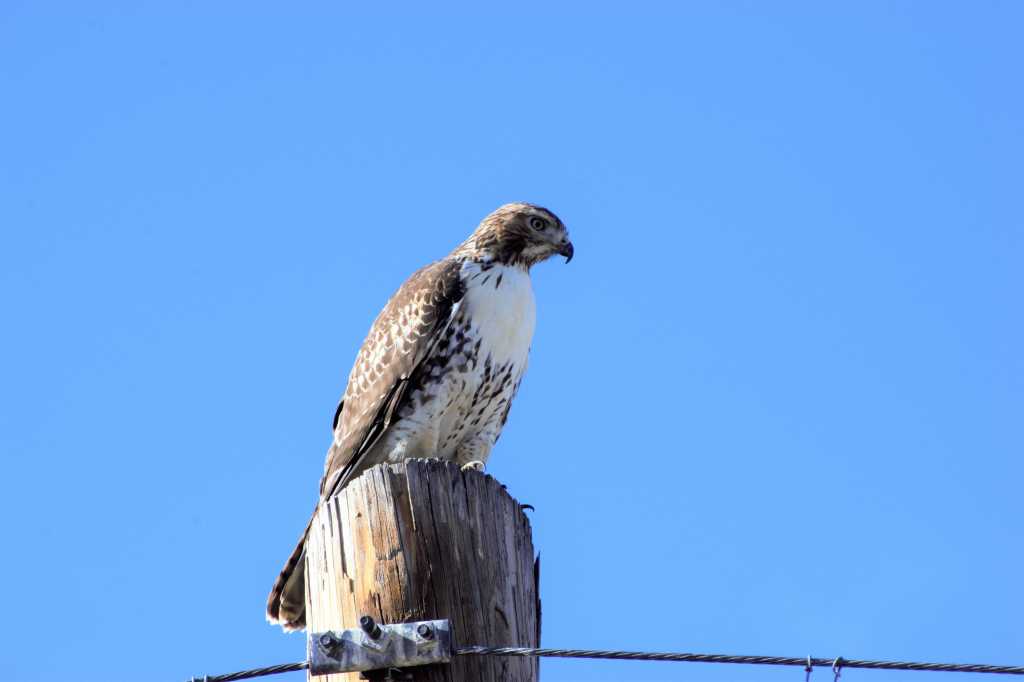
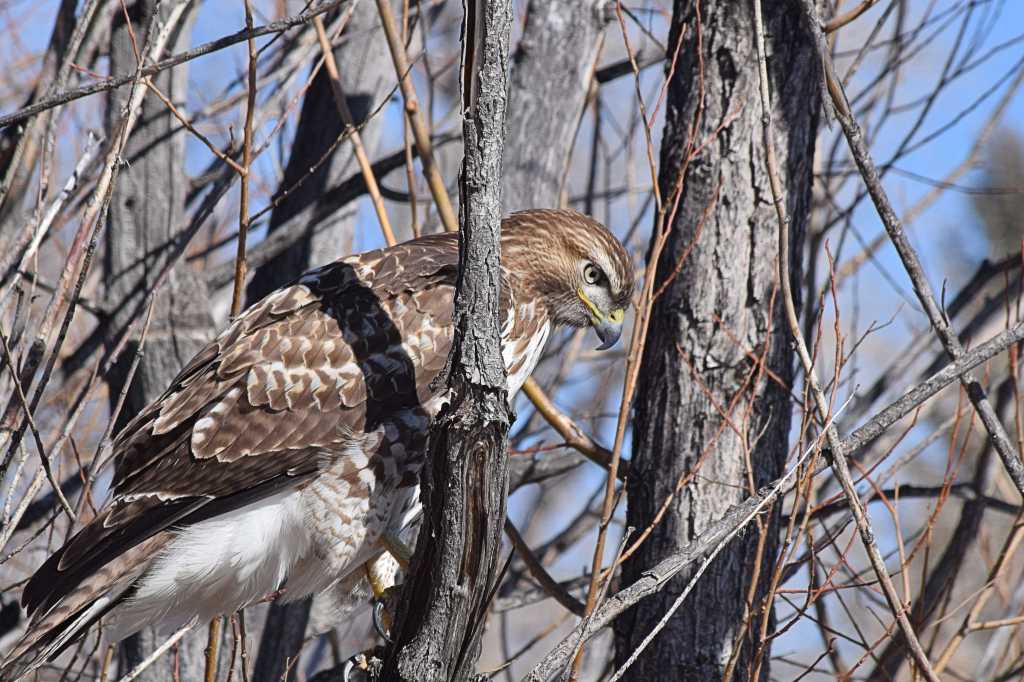
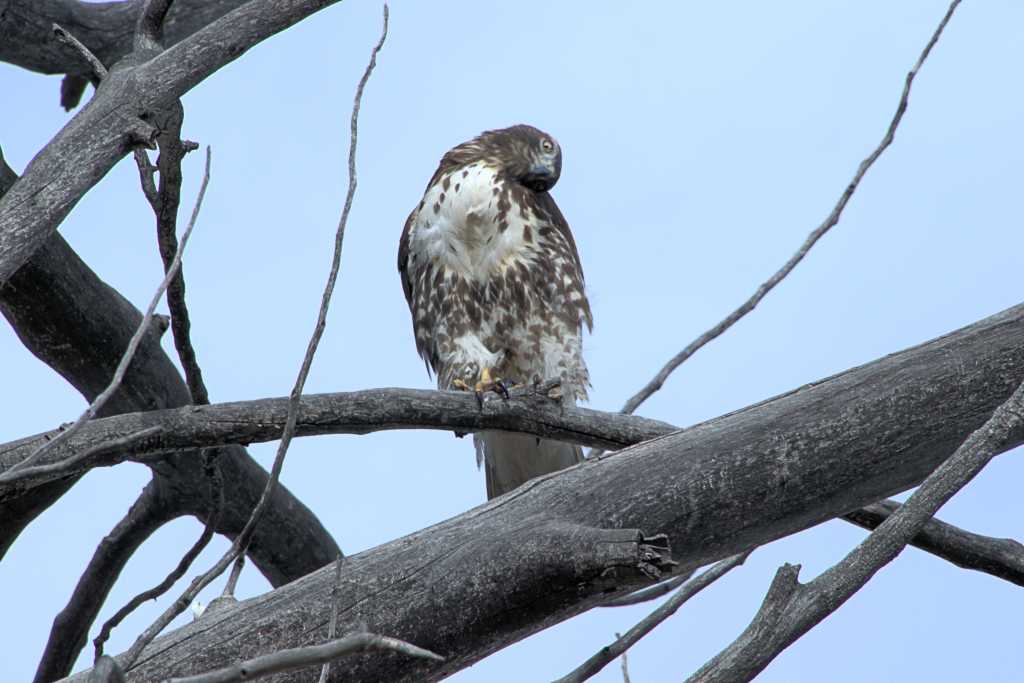
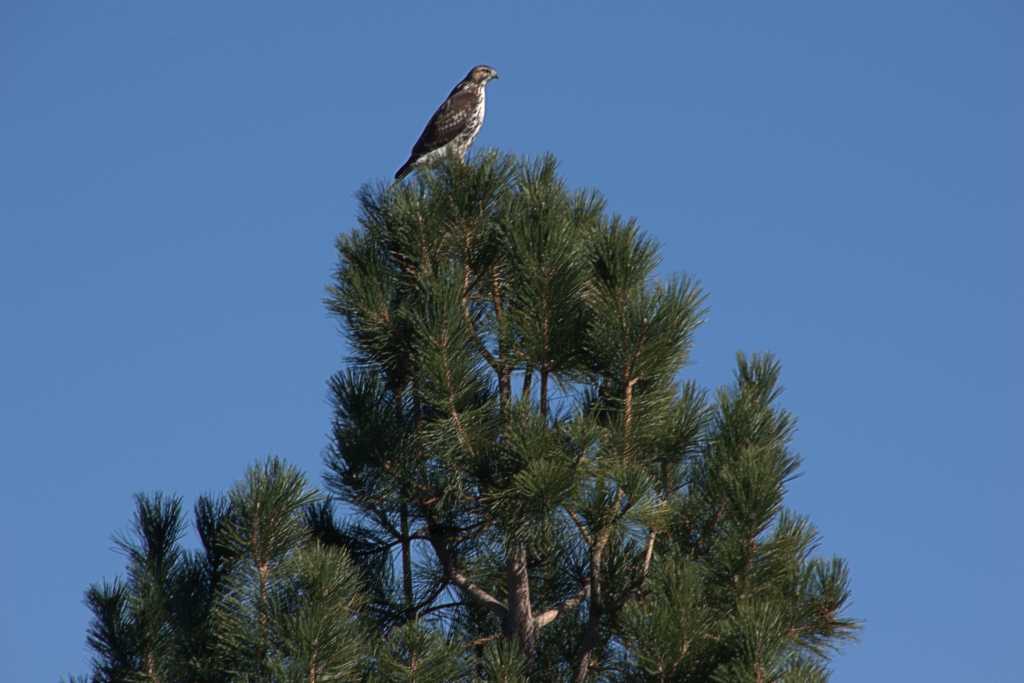
The Red-tails are smaller than their fellow raptors the bald eagle with a wingspan of about 44 to 50 inches and a body length of up to 25 inches. Females are larger than the males as is consistent with raptors Reverse sexual dimorphism characteristic. Despite the size disparity this regal species is an avid hunter that has exceptional flying skills. I never knew that birds have a third eyelid before watching the Red-tails and noticed them using it at times. Cold, wet and windy weather can occur anytime in Colorado. The third eyelid, called a nictitating membrane that nature has supplied avians with helps to overcome the elements and also provides an additional layer of protection when they are capturing prey and consuming it.
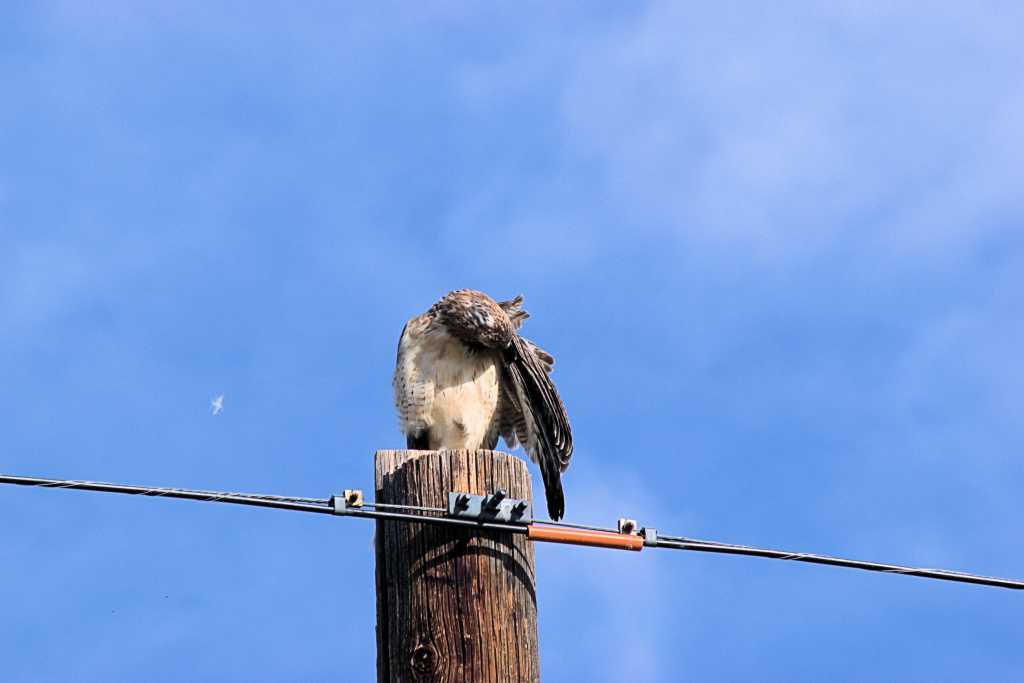
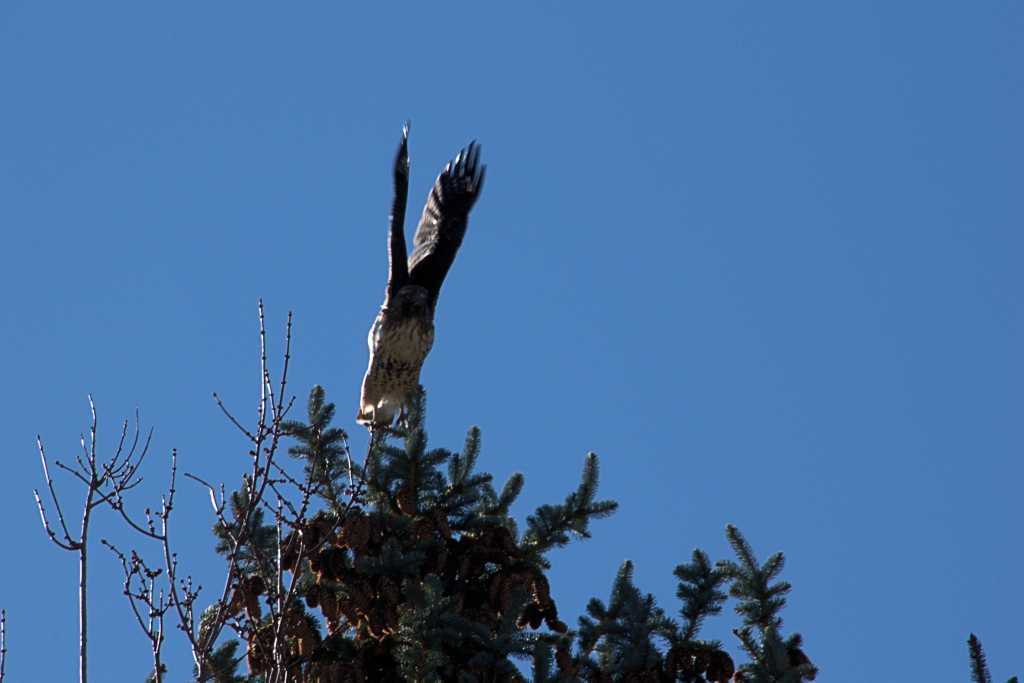
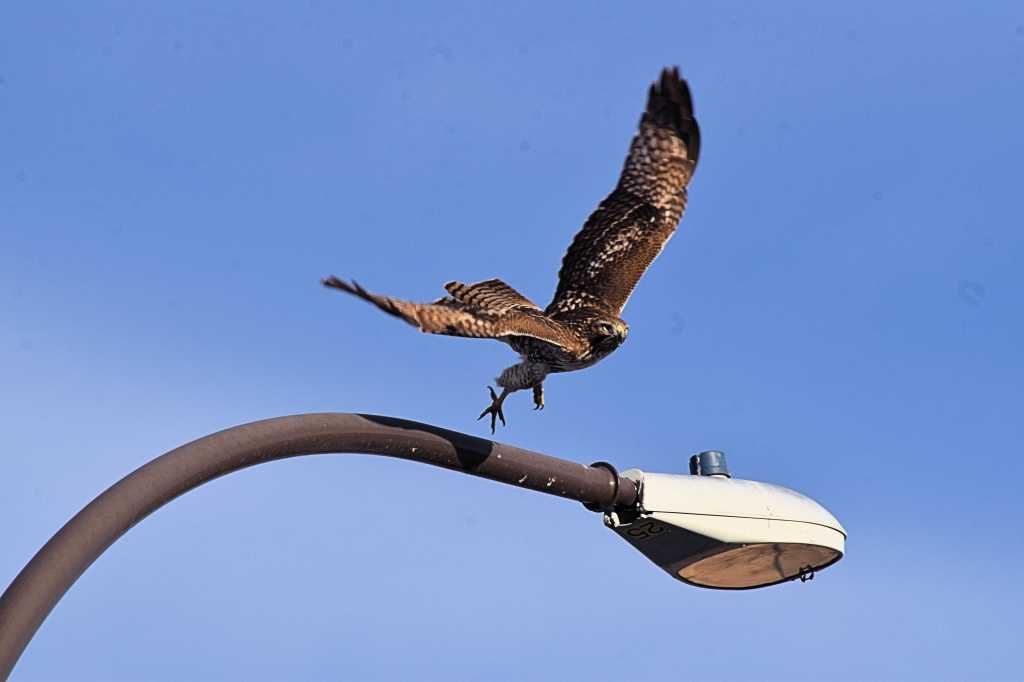
The Red-tails have shown me they have some of the best all round flying skills among the raptors. They seem to have a little more leg strength than in proportion to their size. Those turbocharged legs give them a little edge to successfully pounce on its prey when perched. They can turn and stop on a dime and are the best that I have seen at using thermals. They can strike at over a hundred miles an hour.
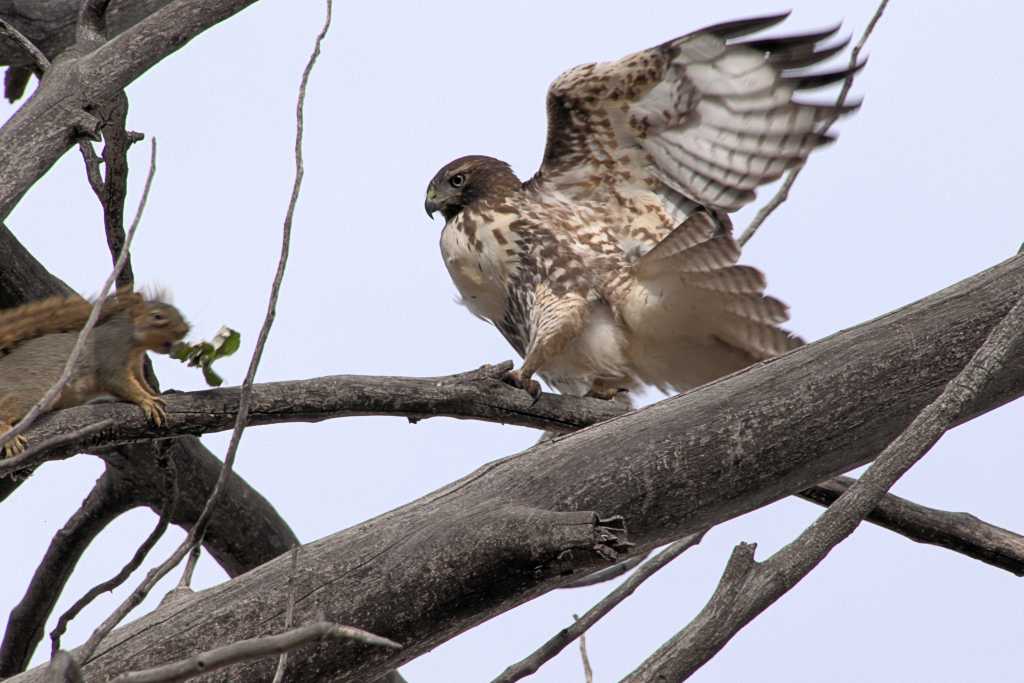
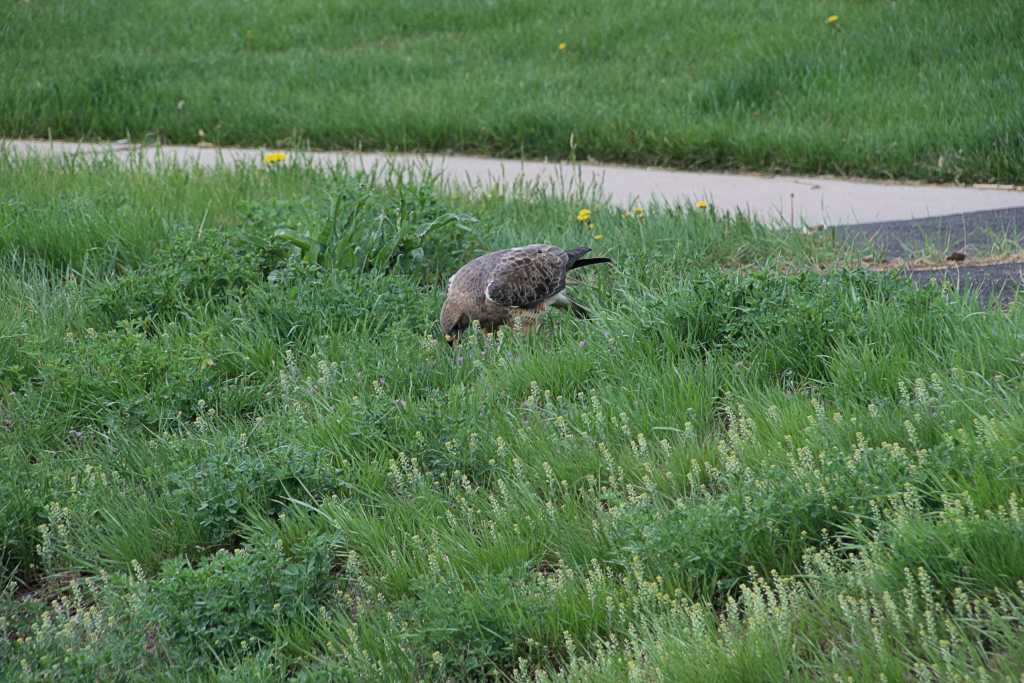
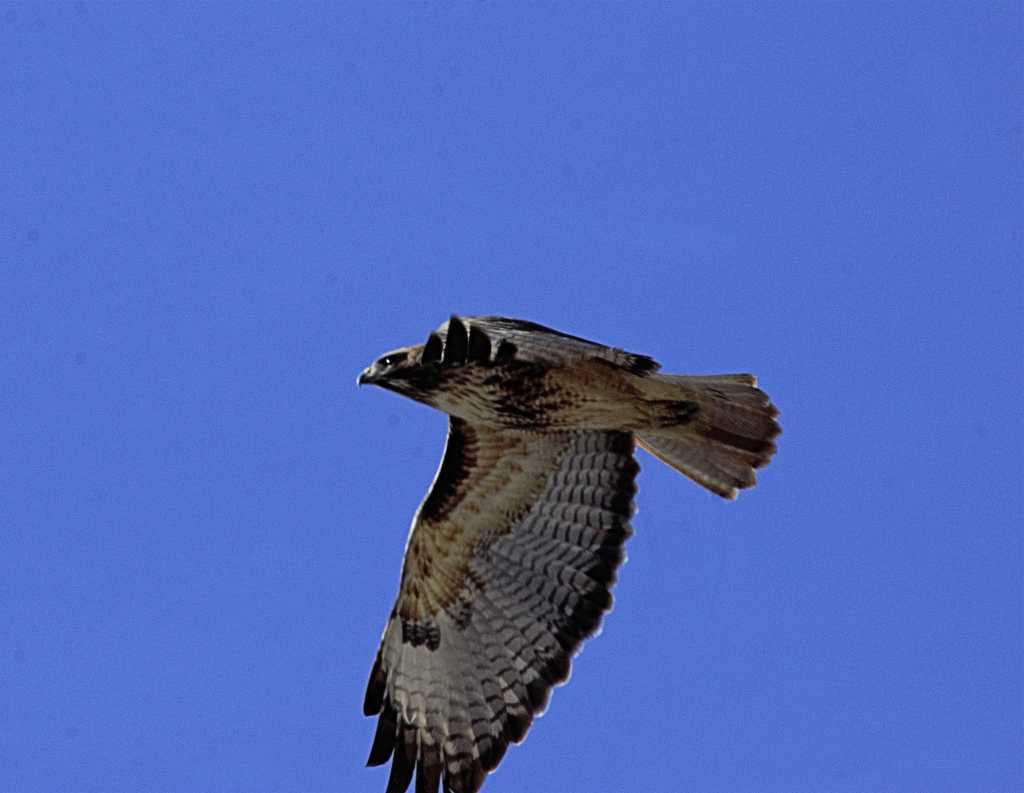
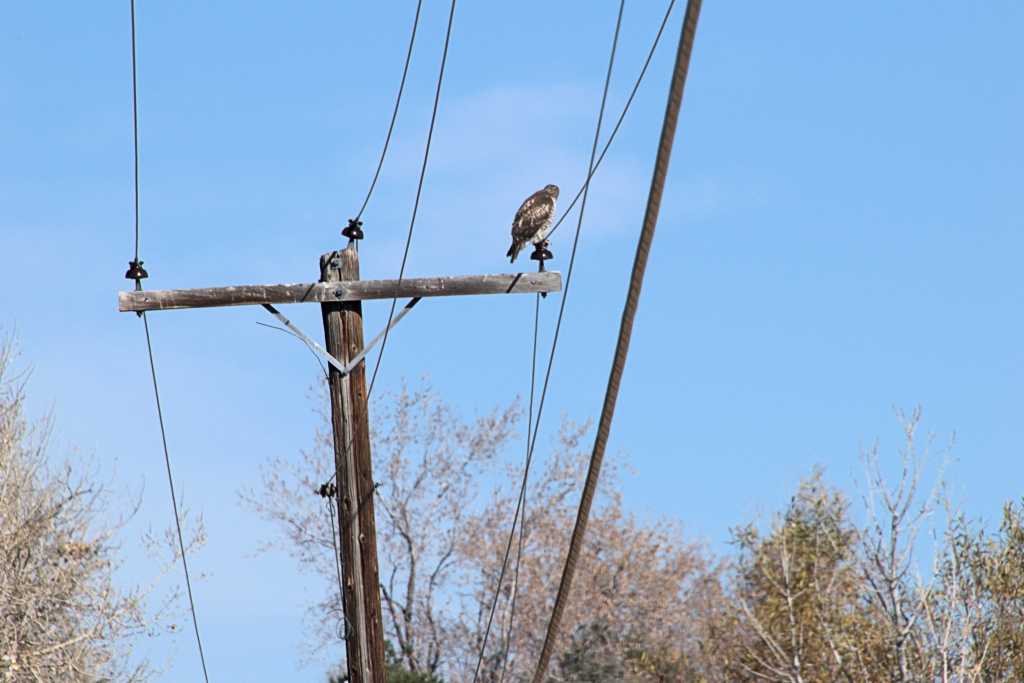
Red-tailed hawks are redoubtable hunters with keen eyes, bone crushing talons and an extremely sharp beak. Rodents are plentiful here and they seem to prefer them as a regular part of their diet. They perch on street and light poles above the restaurants in the neighborhood waiting for the rodents to feed in the dumpsters. Sooner or later one will show and the Red-tail will swoop down, grip it with its talons and take it to a spot of safety to feed on. They also eat snakes, frogs, insects and fish.
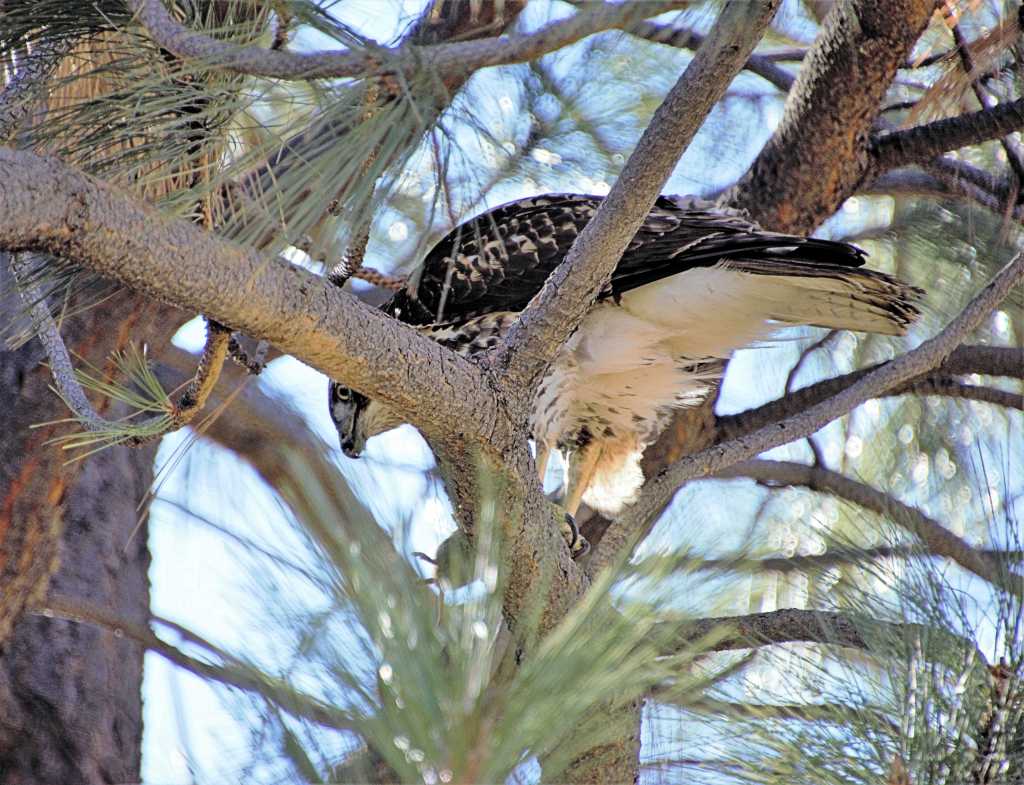
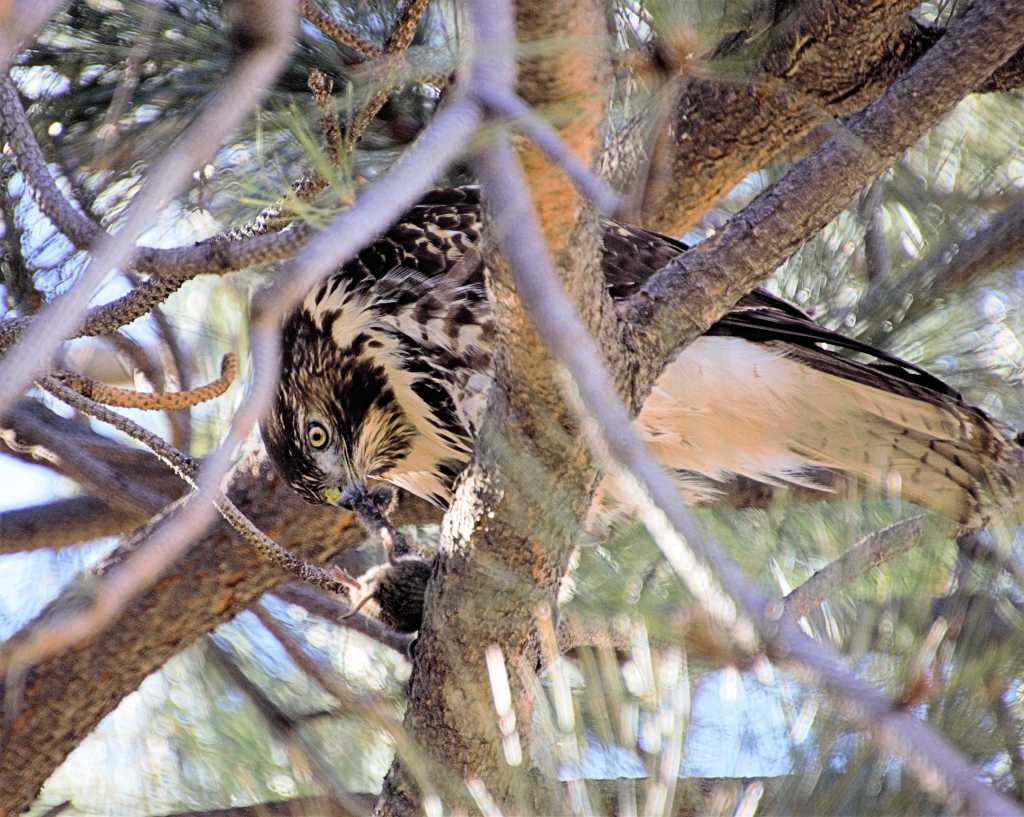
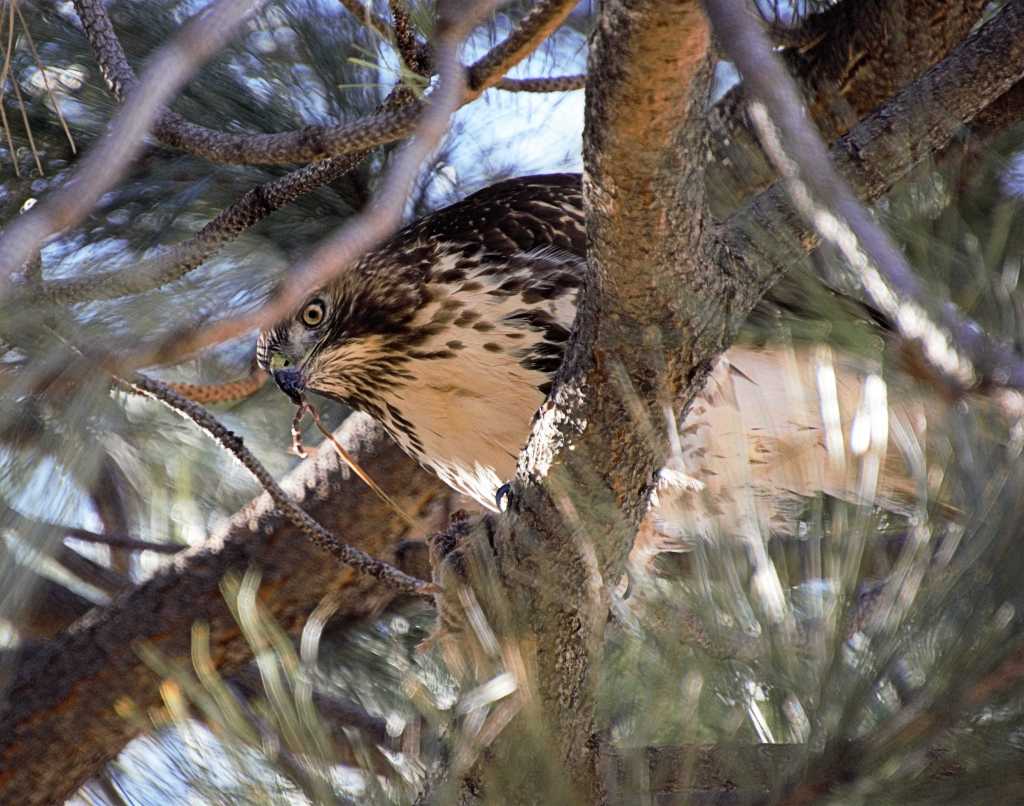
The Red-tails periodically prowl the lakes and reservoirs. The three pictures above where taken at a lake just a few miles from my home that I can get to year round and so do the Red-tails. This bird captured the rodent as it came out of a pipe that ran into a small drainage ditch. Held in the tight grip of the talons the prey was then taken into the safe haven of a pine tree where the Red-tail skinned and devoured it. I have never seen a Red-tail take a fish, most of the time their backs have been towards the water so I think they are looking for their preferred prey the rodents. But if they are unsuccessful in finding prey they will eat carrion.
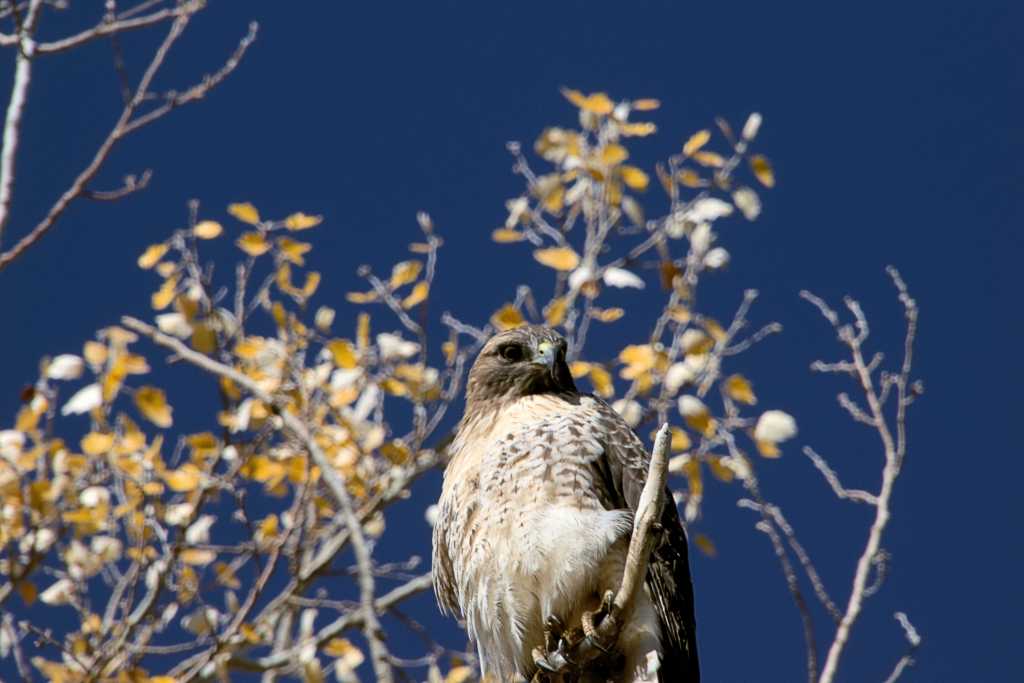
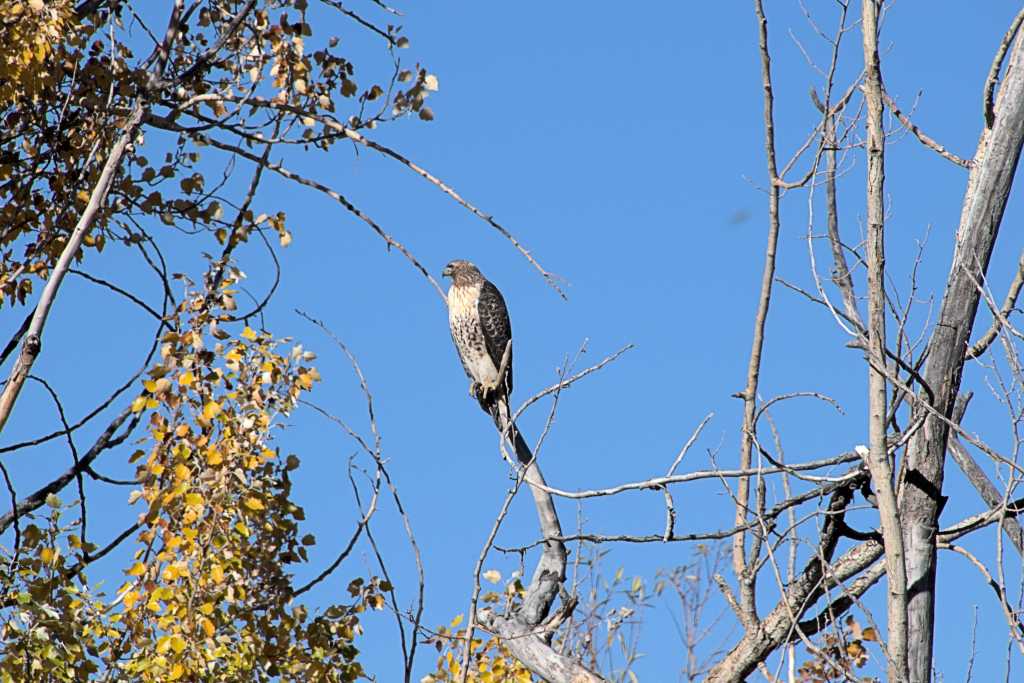
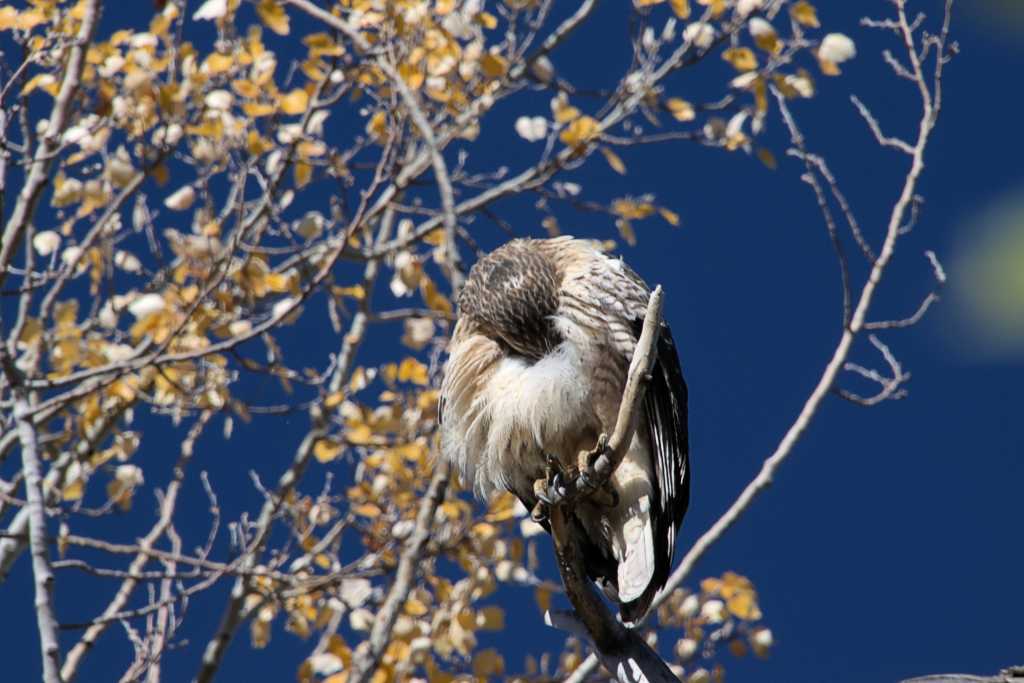
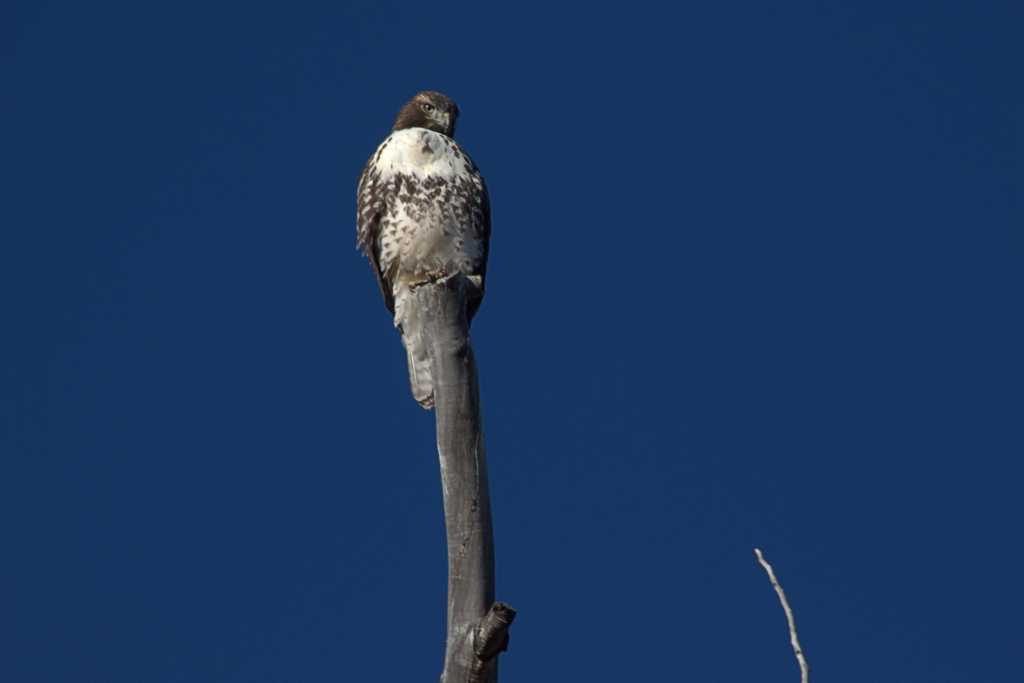
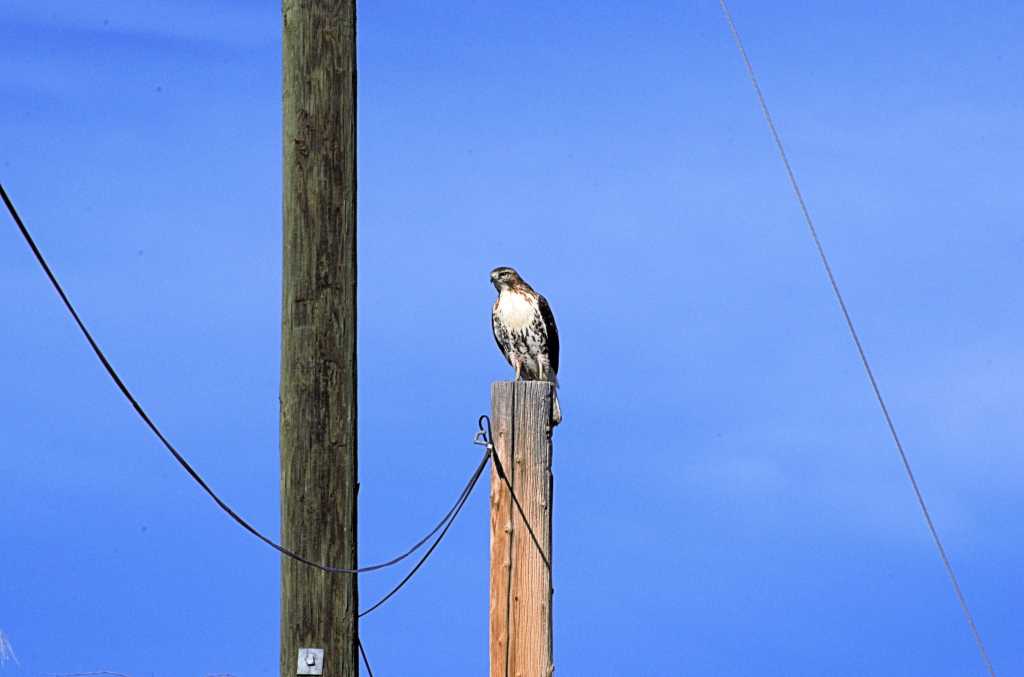
I have frequently seen Red-tails flying above the open fields. Most of the time they are hunting as they catch the thermals that are often there but in the spring they are also courting and mating. In the spring I have seen the males fly erratically including multiple dives for no apparent reason to get the attention of a female. If they become a pair they fly together in circles and will lock their talons together during death defying dives which can be hundreds of feet of descent. Red-tails form strong bonds and mate for life. Just like the eagles they share the parenting activities for their baby hawks which are called eyas. They build their nest together in a tree or cliffside that are made with sticks and leafy branches. Once the eggs have been laid they will both work at incubating them for right around a month. After the birth of the eyas the male will go into heavy hunting mode and both parents will feed them. At this time their preference for prey seems to be snakes which are easier to cut into small pieces and they do not have to be skinned.
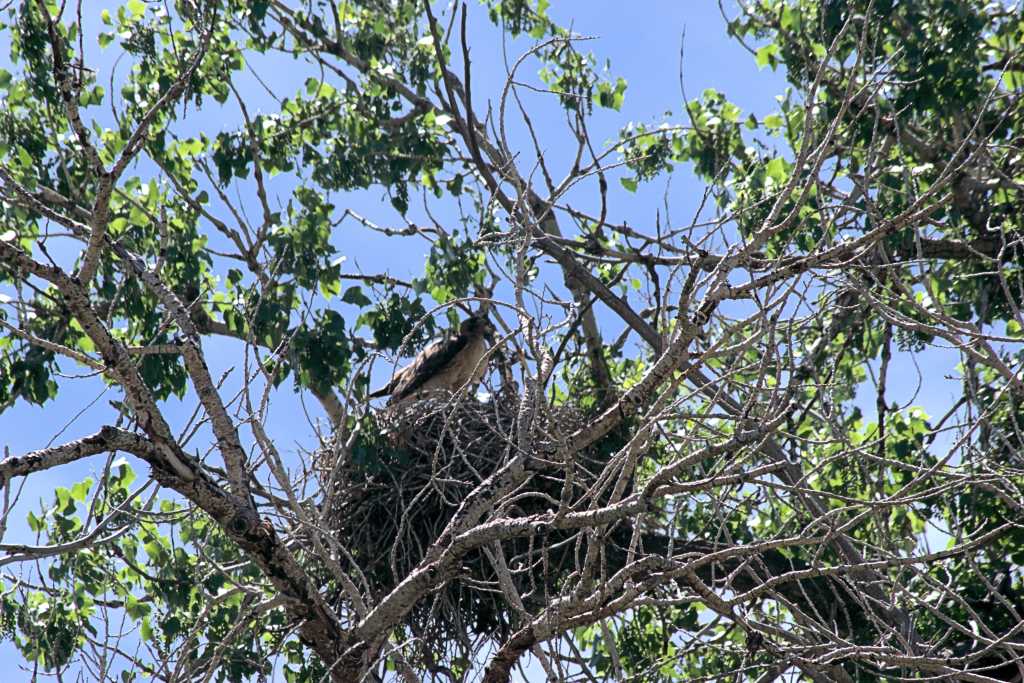
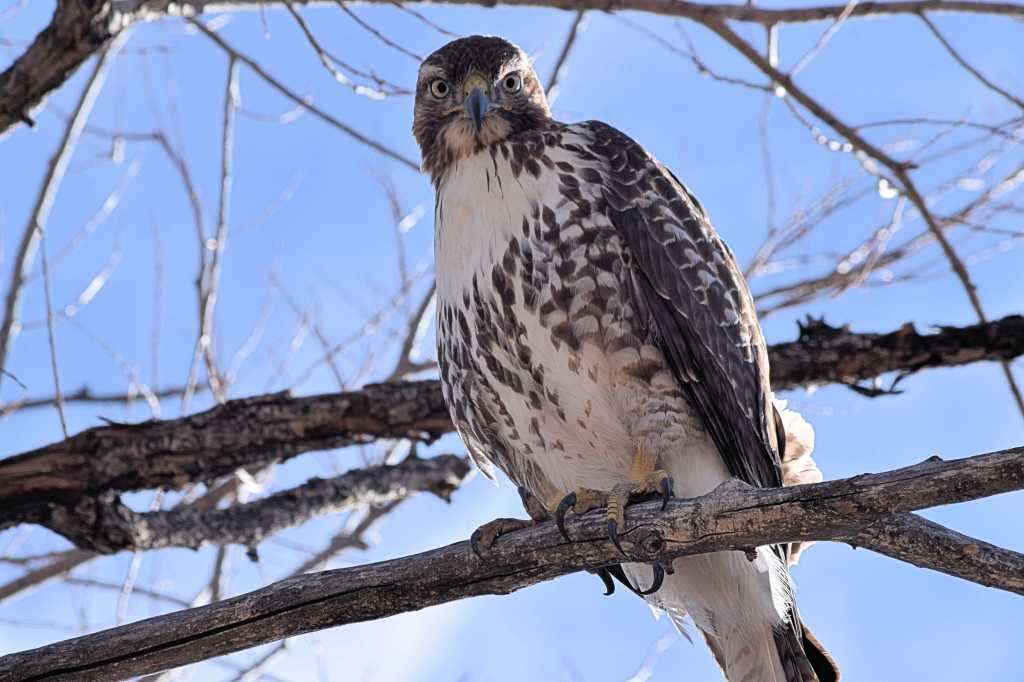
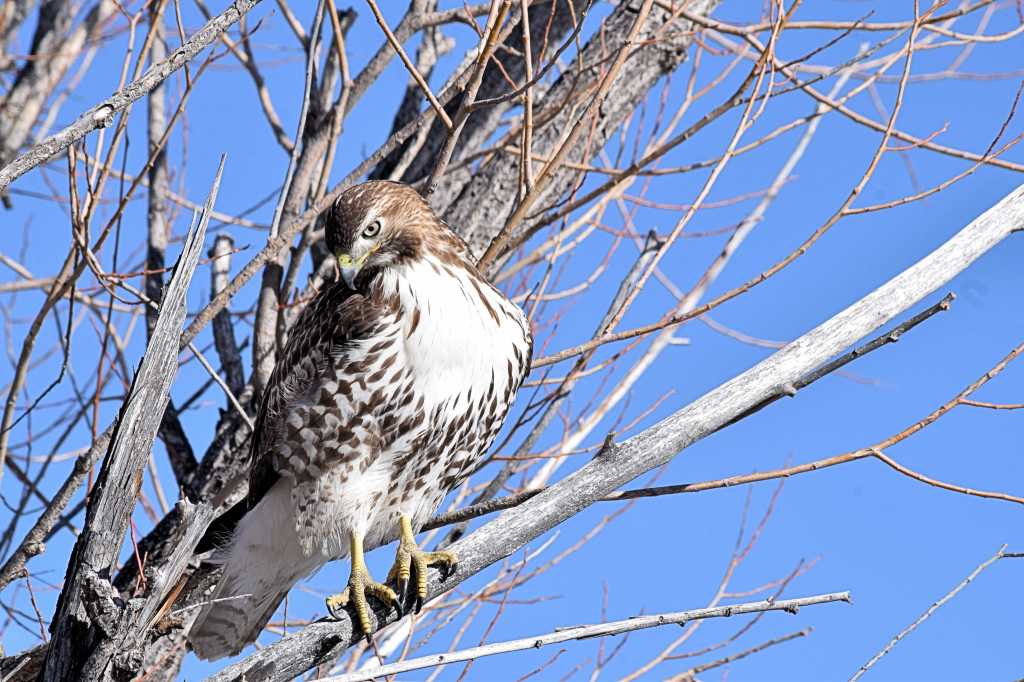
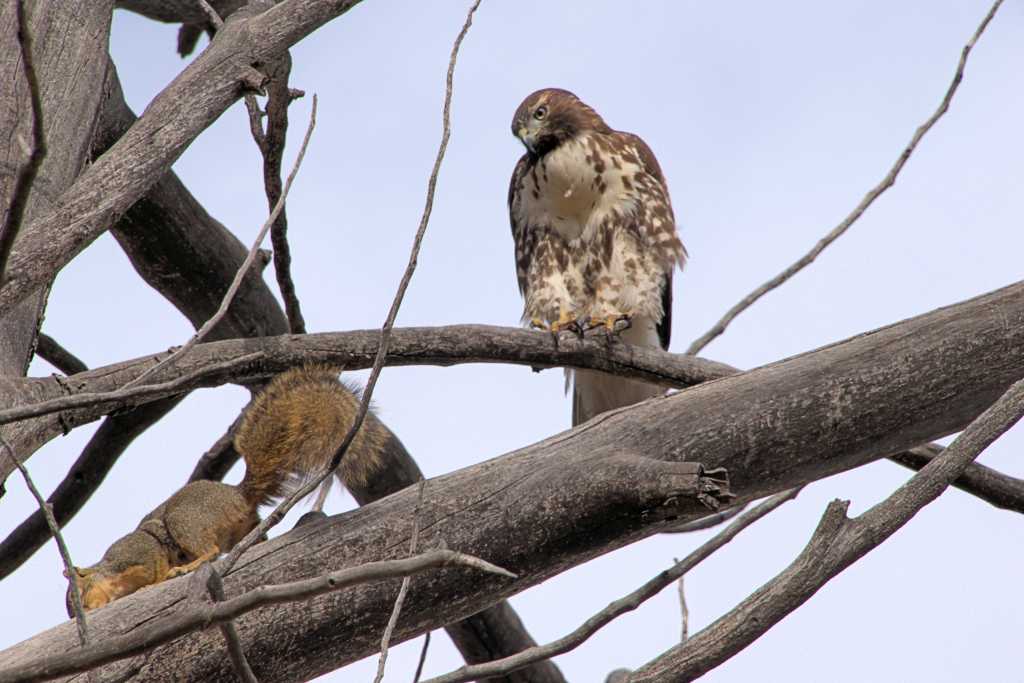
Red-tails have one the most distinctive calls that birds make. No doubt you have heard it on a TV show or in a movie. More than likely being used for an eagle call that in nature are just small squeaks and chirps. Red-tails are the bird that makes high pitched screeches, that are loud and can sound very intimidating. Even the eyas make a louder call as they cry to their parents to feed them. Red-tails will breed for life and if one of the partners die the remaining bird will soon find another mate. These birds were initially studied on the island of Jamaica and that is how they got their scientific name of Buteo jamaicensis.
