Colorado is the home of many different wildlife types including mammals. Mammals produce milk for feeding their young, are invertebrates and have a neocortex region of the brain. They generally have hair or fur humans are a member of the class.(Mammalia).
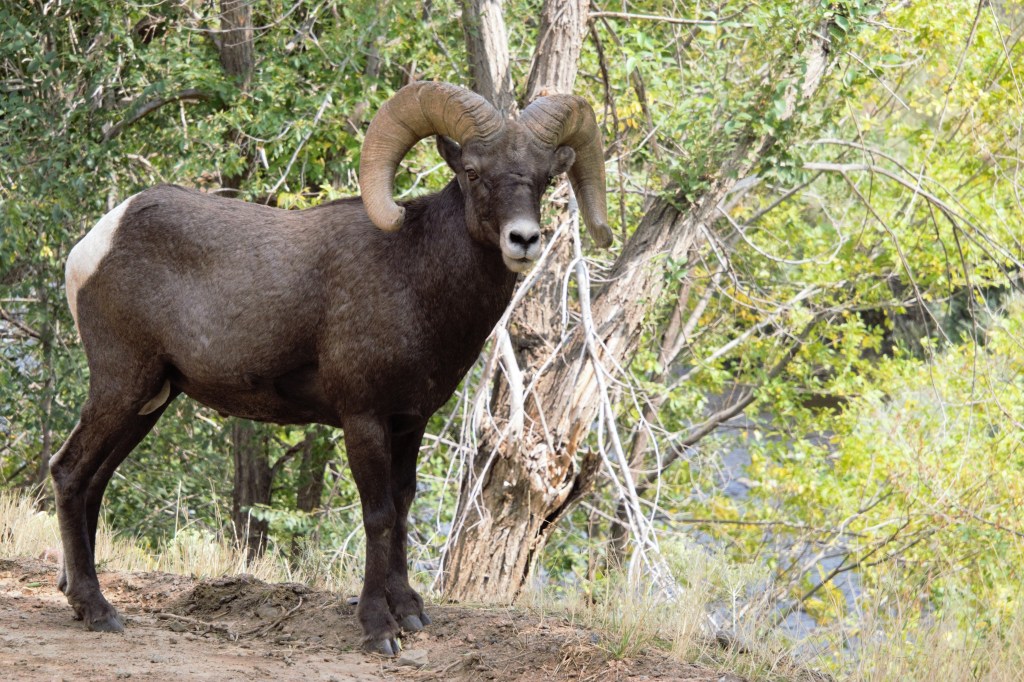
One of my favorite places to go on WaltAbout is Waterton Canyon where the magnificent Big Horn Ram you see to the left can be found. The big horn sheep is the state mammal of Colorado and is a member of the Bovidae family of mammals as are Goats and Buffalo (the national mammal of the United States).
Predators in the wild are animals that naturally hunt and then feed on their prey. Predators can be found in mammals, reptiles, birds and many other organisms. Fox and coyote are members of the Canidae Family that I have encountered a number of times while on WaltAbout. The wylie coyote and sly fox have both earned their reputation. Foxes and coyotes are both known for being cunning and skilled predators. They are renowned for finding their way into livestock pens and chicken coops. Despite their repeated conflicts with humans, these animals are highly intelligent and an essential part of the balance of nature as they help control the rodent population. Both of these canids are highly adaptable and can thrive in both rural and urban environments. Of course that can lead to even more conflicts with humans.
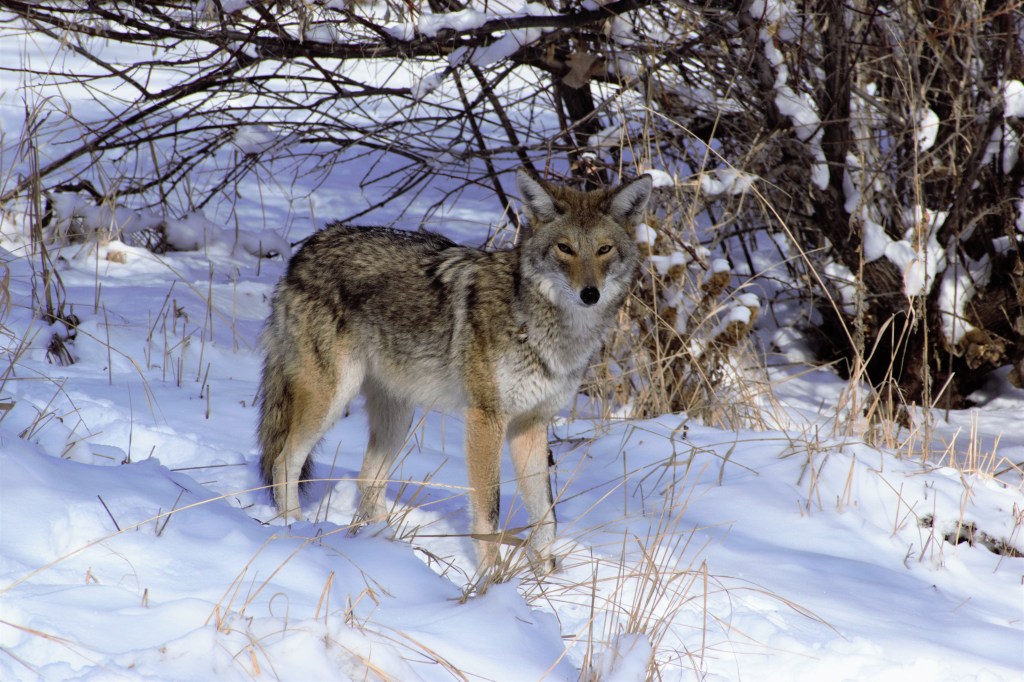
Coyote On The Hunt 
Red Fox At Mount Evans 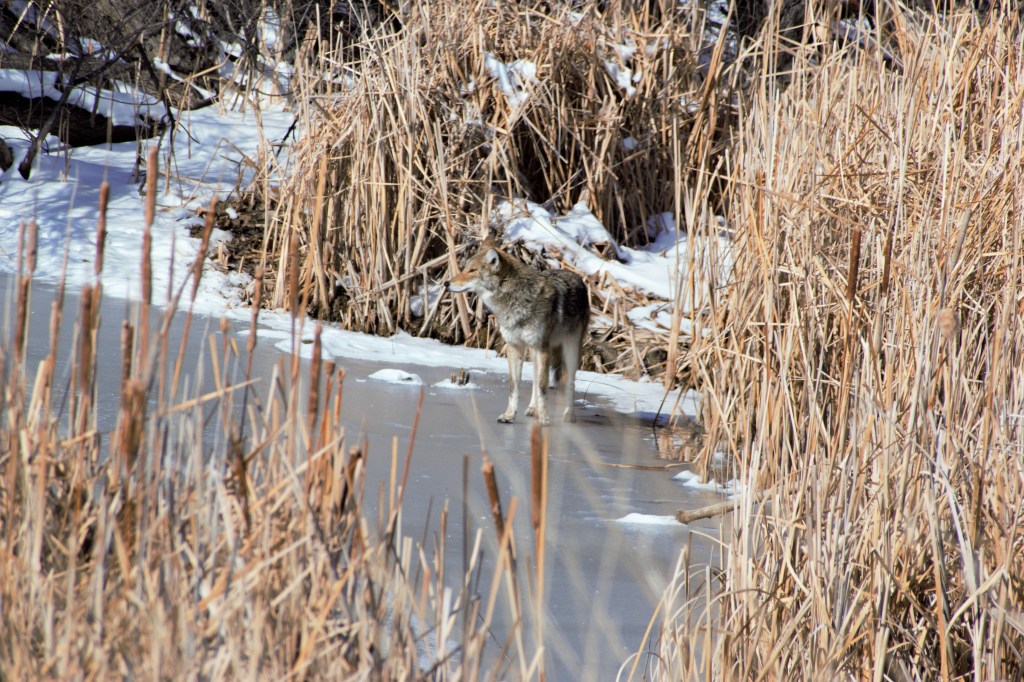
Camouflaged Coyote In The Wide Open

Mule Doe On Lookout Mountain 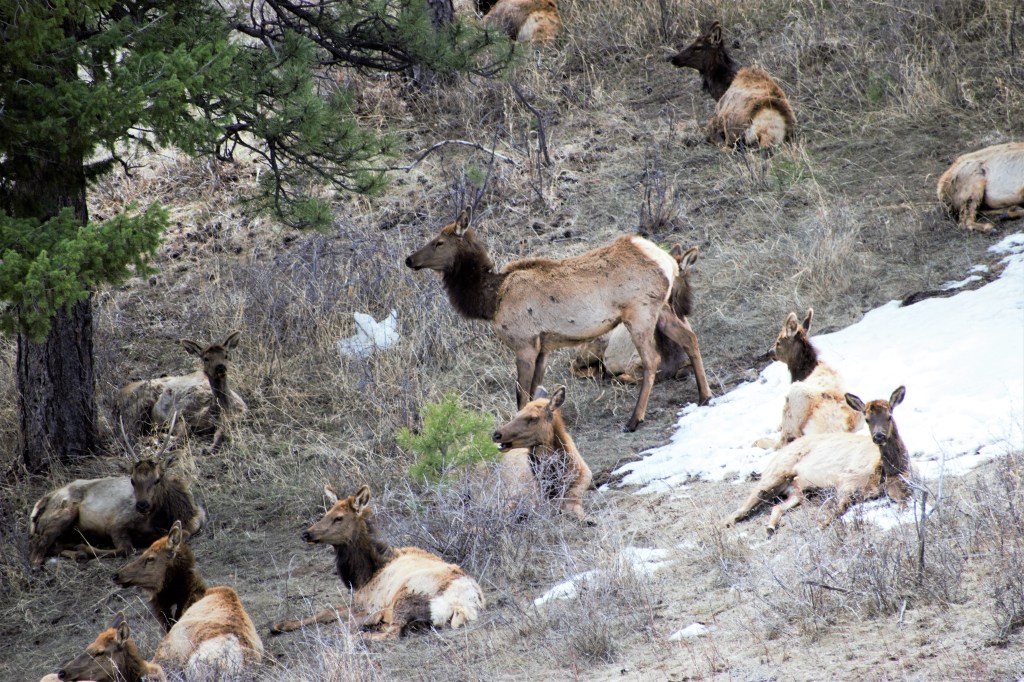
Elk Herd In Golden 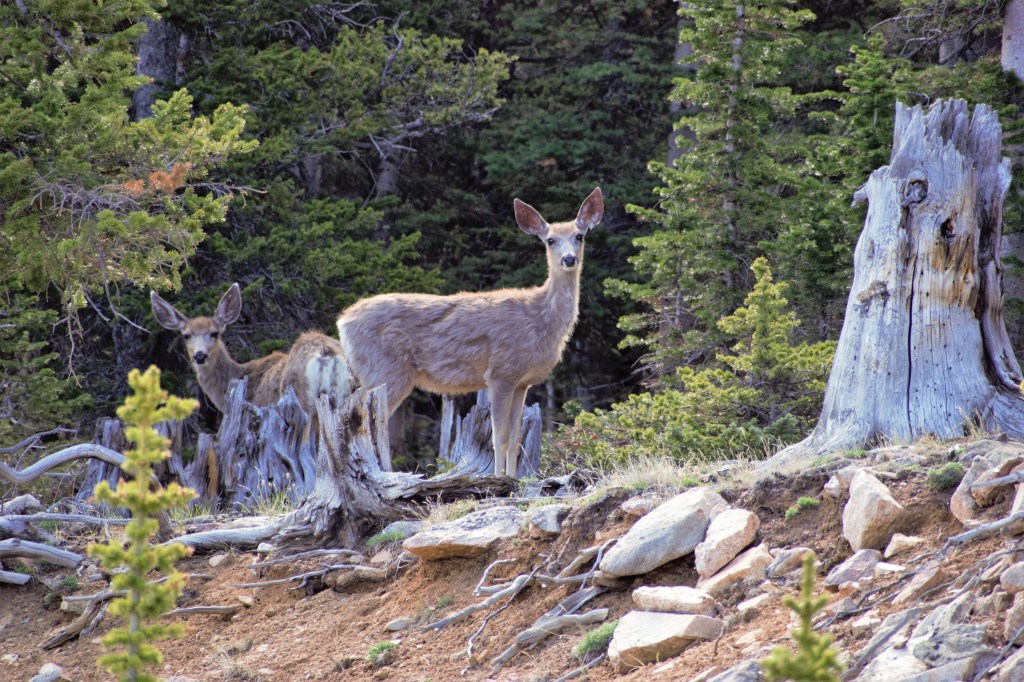
Two Mule Does
Cervidae also called deer are mammals that are hoofed and the males have antlers, with one exception being a reindeer found in Asia. Mule deer, whitetail deer (east of the I-25), elk, antelope and moose are all members of the cervidae family that I have seen while on WaltAbout. Cervidae and bovidae are both herbivorous mammals that only consume vegetation. They have the ability to forage, later regurgitate and then rechew the food. Animals that do this are called ruminants. Ruminants have four stomach chambers that facilitate this process and can be found all over the world except Antarctica. Cervidae males have antlers which will have tynes and are shed annually. With bovidae both males and females have smooth horns with no branching or tynes they are permanent and will not grow back if broken.
It is very easy to overlook the little critters called rodents but in fact without them many other creatures would cease to exist. Rodents play a key role in the territories in which they live because they serve as a food source for other mammals, reptiles and birds. They makeup about forty percent of all mammal species. While on WaltAbout I have seen them forage for food, play and become prey. Rodents produce large litters year round, some have multiple litters, as Mother Nature keeps the balance so all of her children can survive. Diseases transmitted from animals to humans are called zoonotic illness. These illnesses can be transmitted through contact, bites, and insects. Rodents like marmots, squirrels, prairie dogs and chipmunks can carry diseases as bad as the plague. It is not recommended to make physical contact with a rodent because they can be infested with ticks or other mites, which carry Lyme disease. For example, chipmunks do not spread Lyme disease to humans but ticks can which the chipmunk might be infested with. As tempting as it might be don’t handle wildlife. I have mostly seen members of the squirrel family on my WaltAbouts but I have also observed pica, voles and prairie dogs.
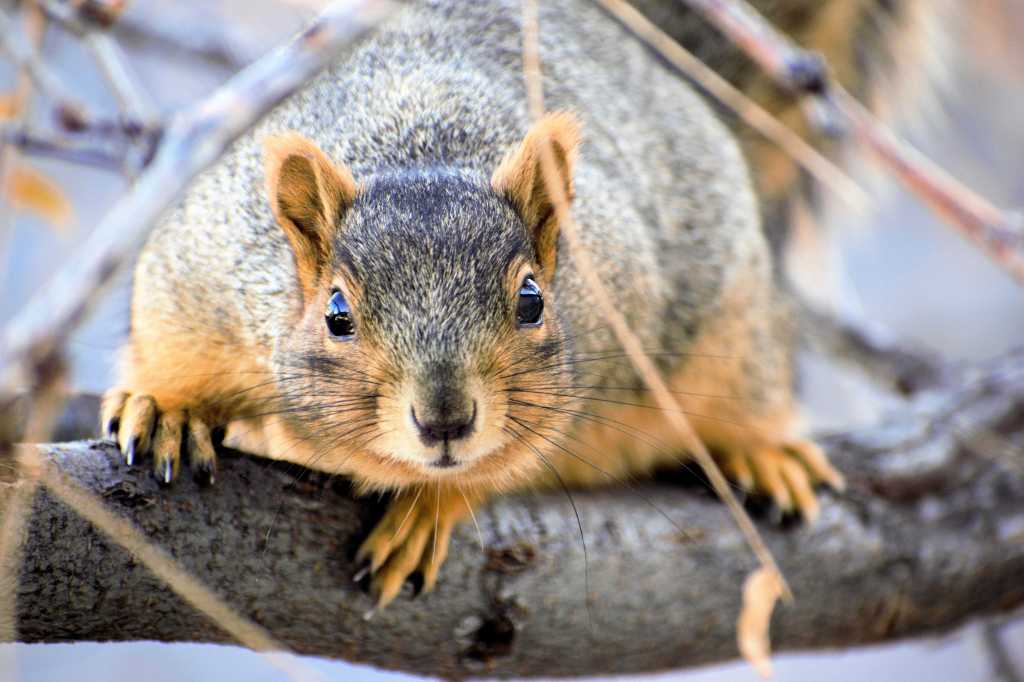
The Stare 
Chipmunk Eating Berry At Echo Lake Lodge 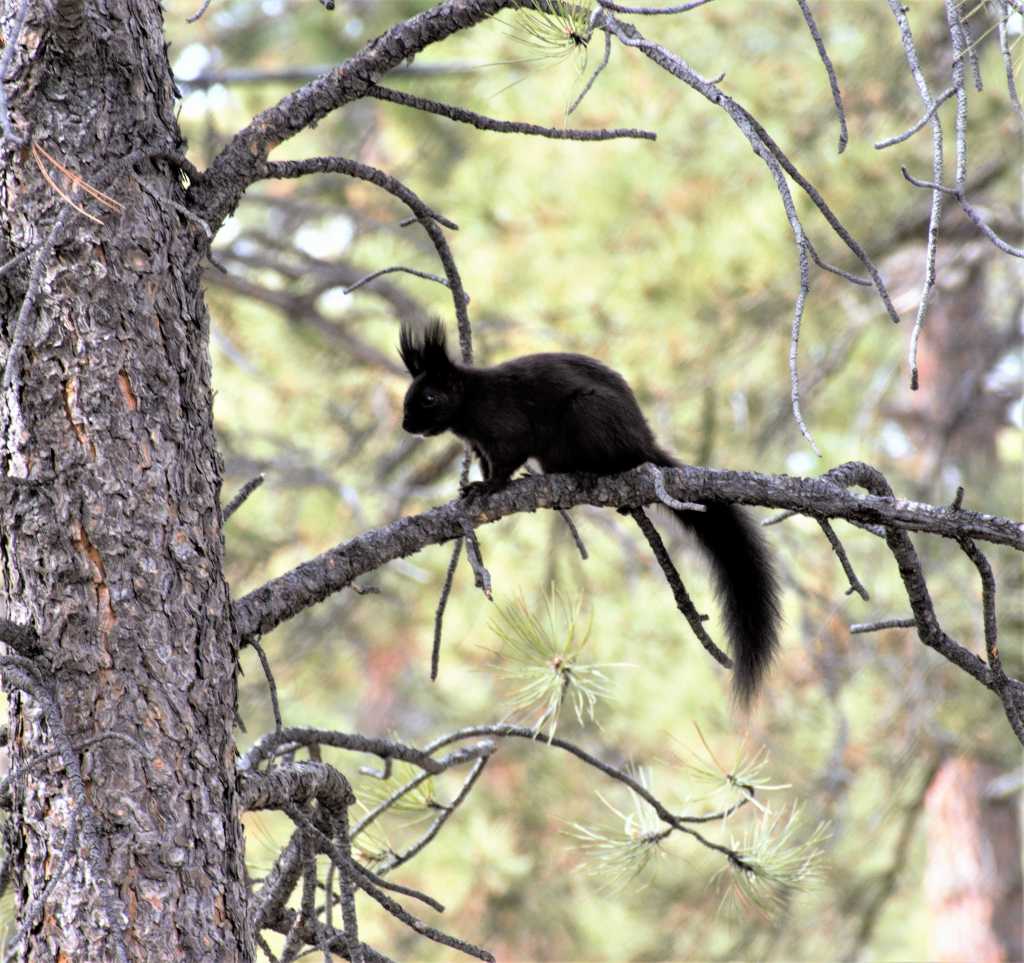
Black Squirrel On Branch 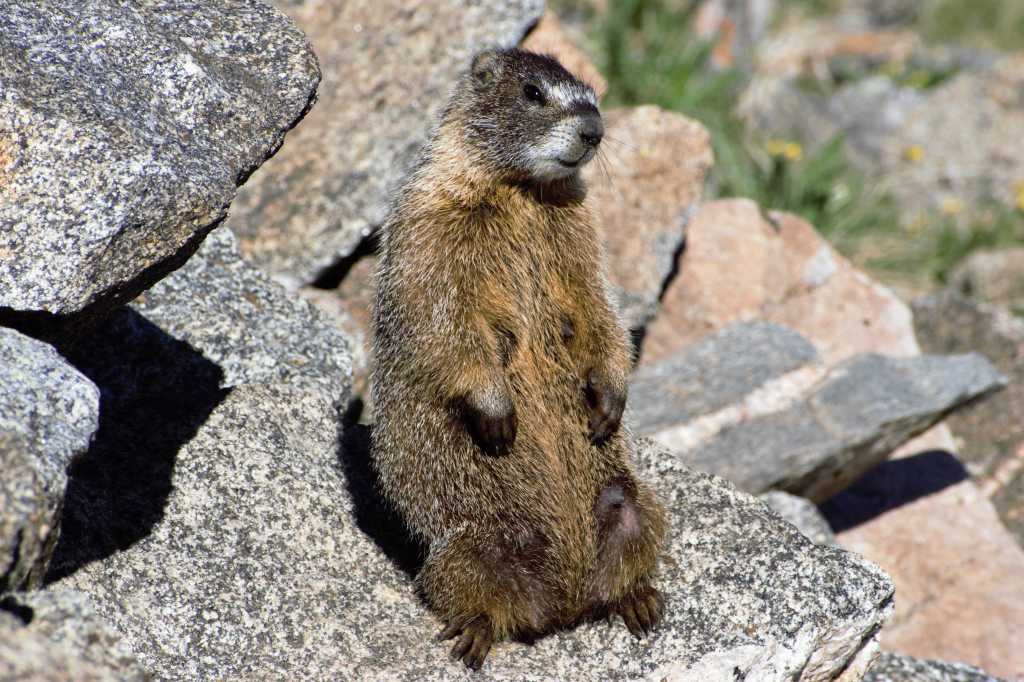
At Three Mile Marker
