
Some of my most memorable WaltAbouts have been on Mount Evans. The Arapaho and Roosevelt National Forest can be a very hostile environment year round, especially Mount Evans. Marmots are one of the few species that can habitat above the tree line year round. They hibernate from late October to about Mid-June which spares them the harsh conditions of winter in the mountains. Ironically the end of the marmot hibernation coincides with the opening of Route 5 which happens on Memorial weekend, weather permitting.
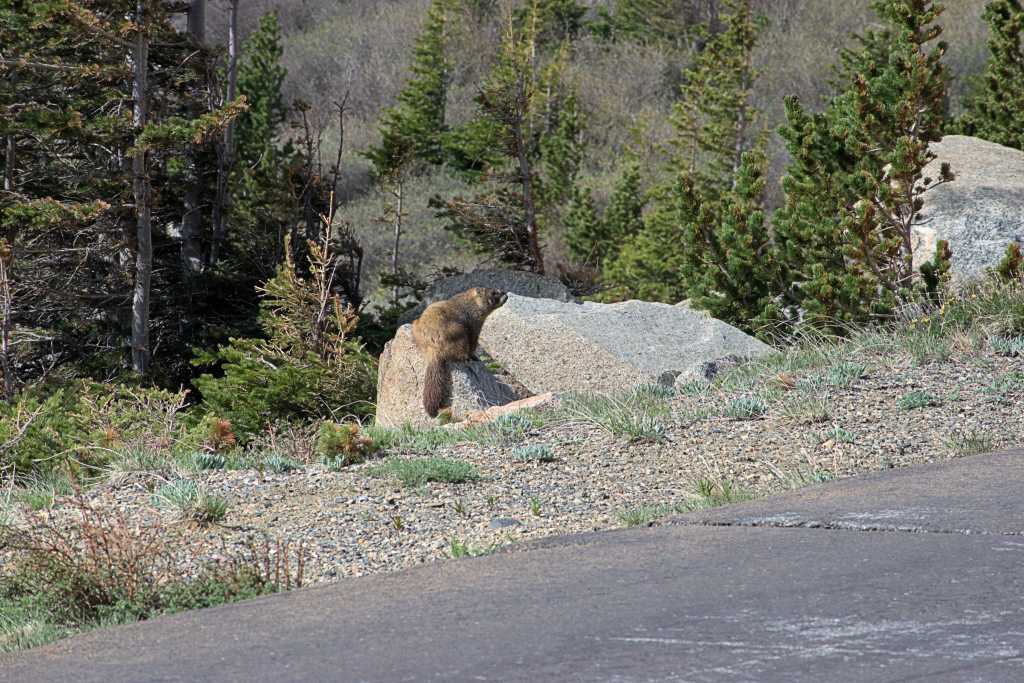
I went up the mountain in early May with my bike, photo gear and many layers of clothing with the goal to get to the 4 or 5 mile marker on the road every day before work. The first week I barely made it to the one mile marker once because of cold, wind and snow. That was a quick reminder that Mother Nature would decree when and where she would let me go on WaltAbout. Despite the slow start I would spend the next five months biking up the mountain riding up to see not only the marmots but lots of other wildlife and the beautiful scenery that Mount Evans showcases.
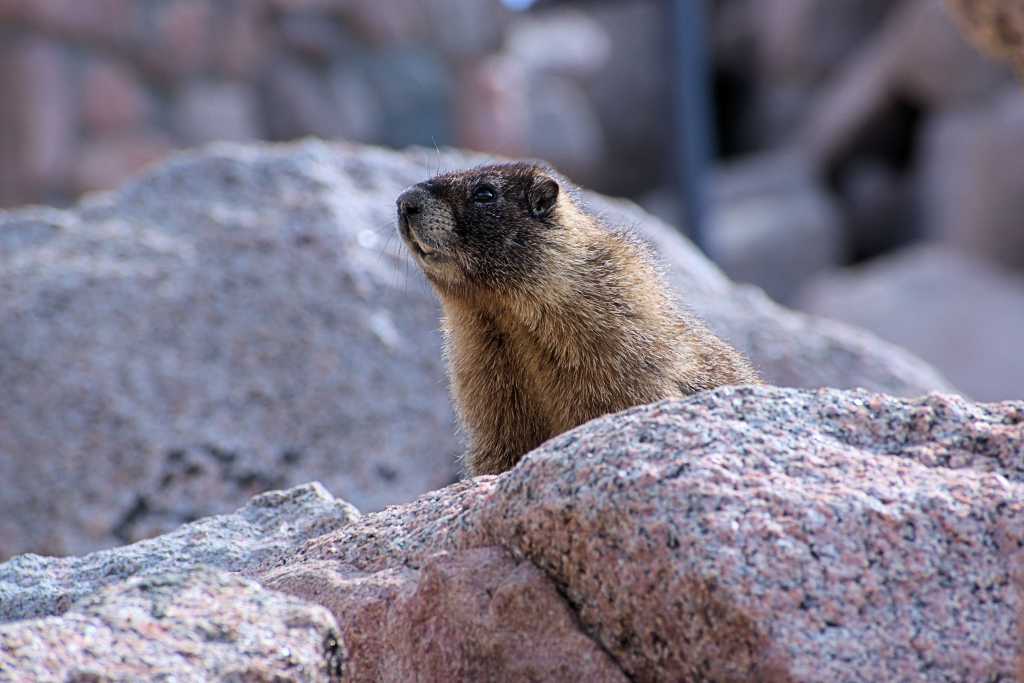
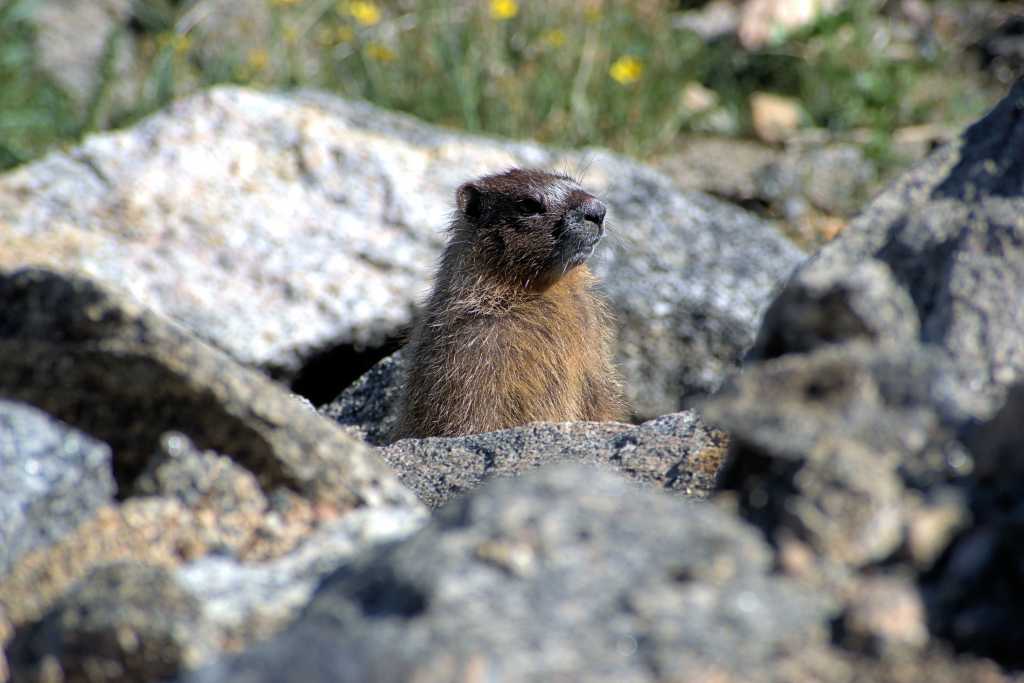
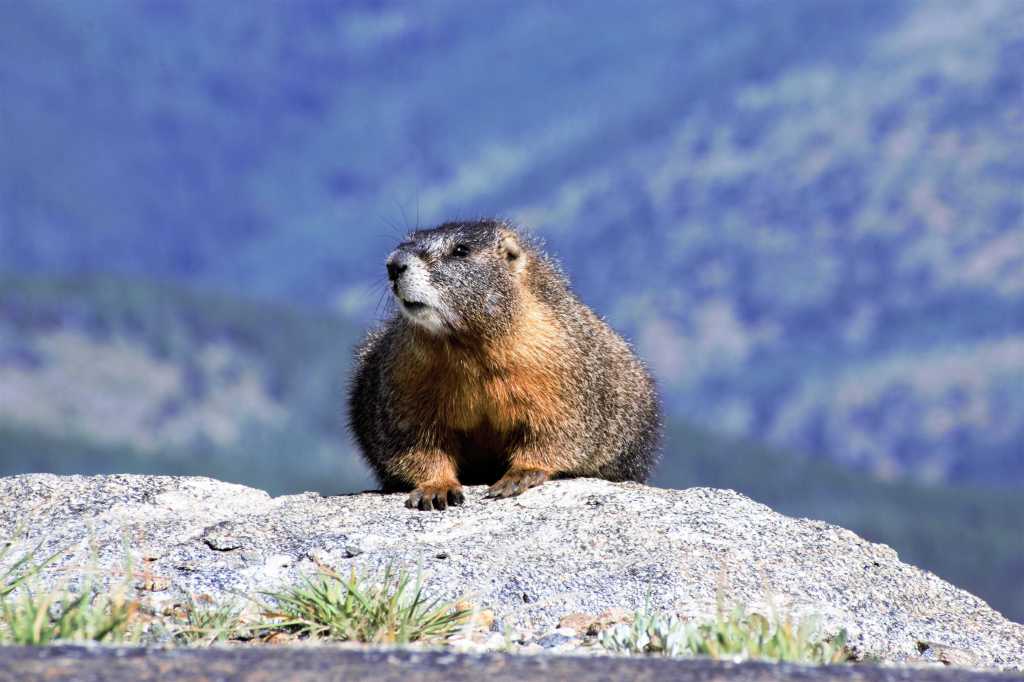
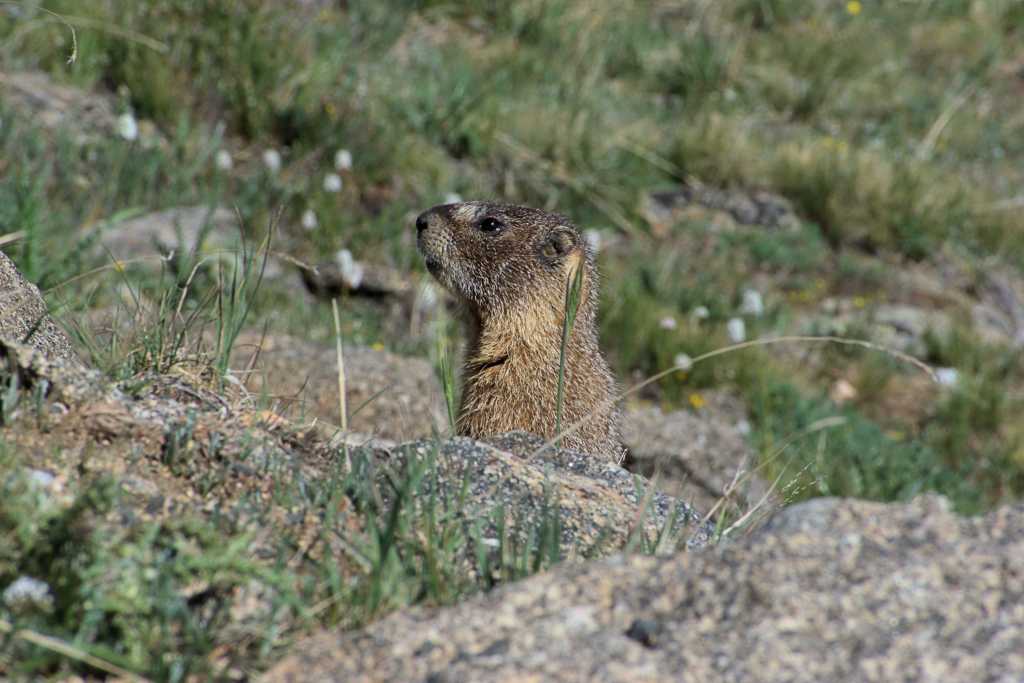
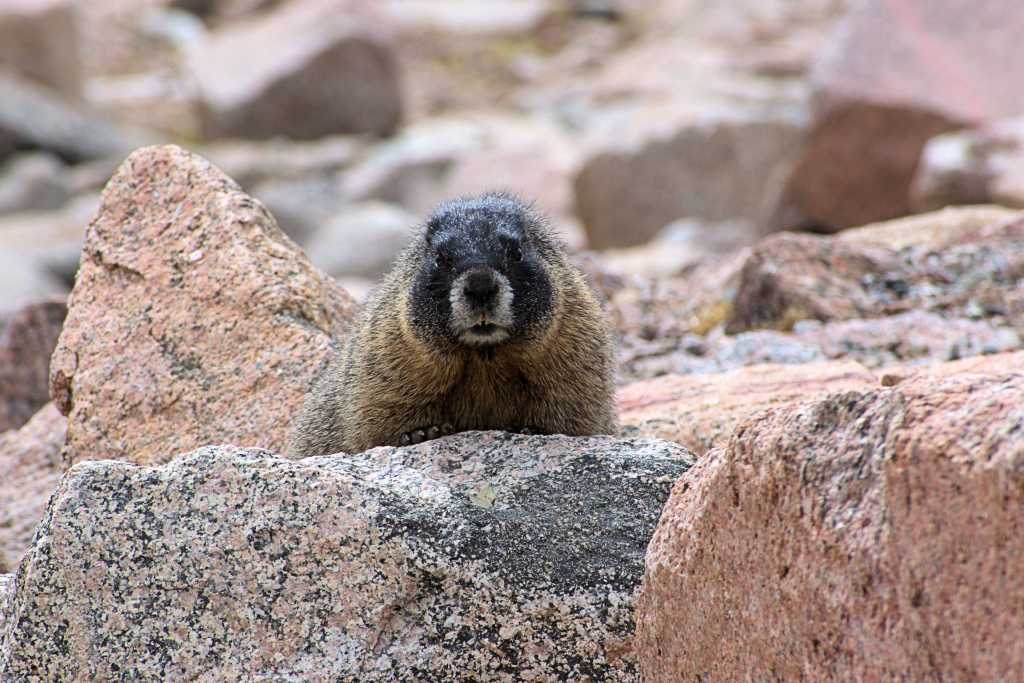
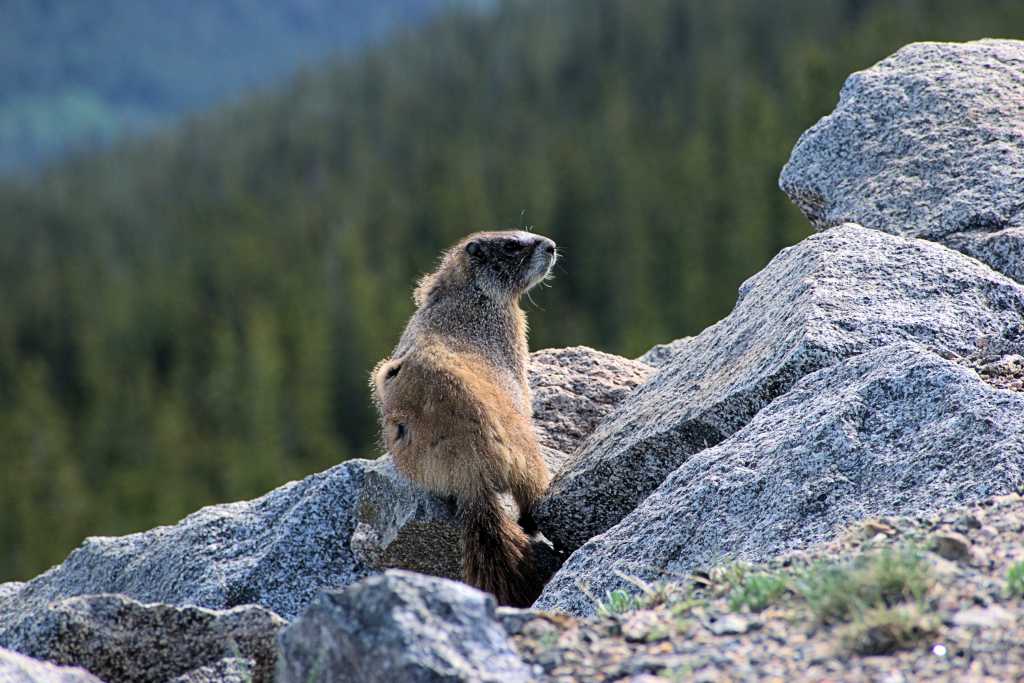
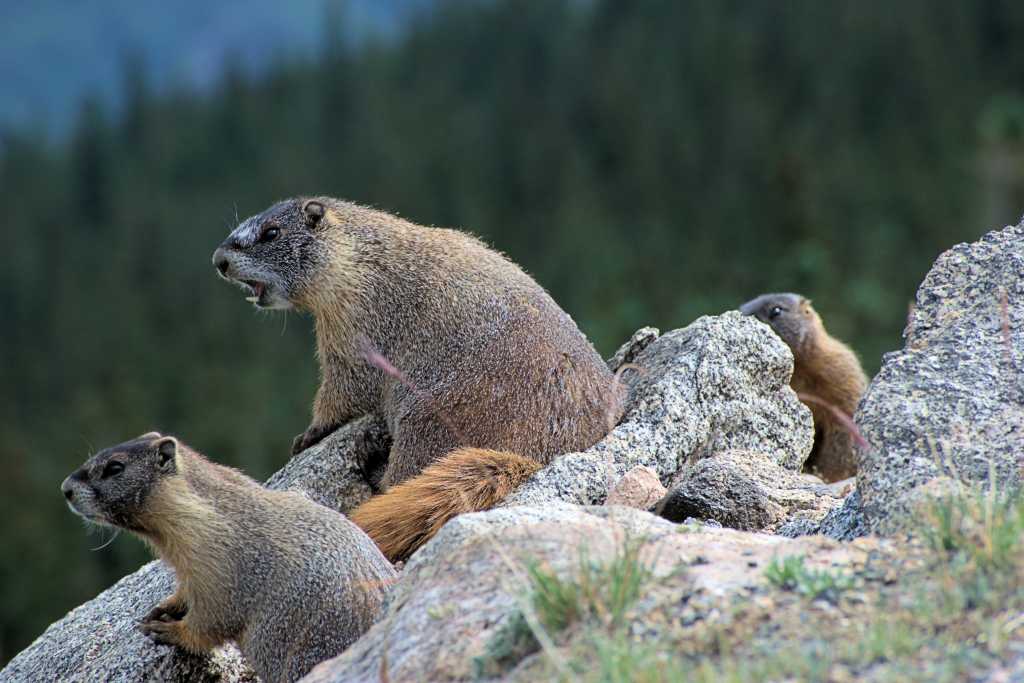
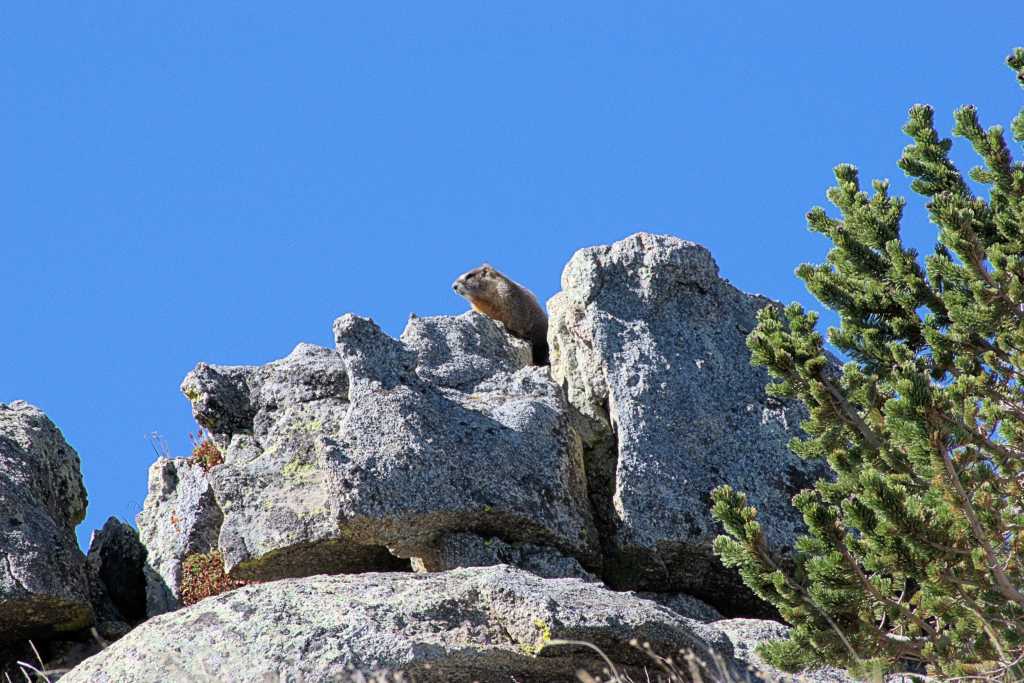
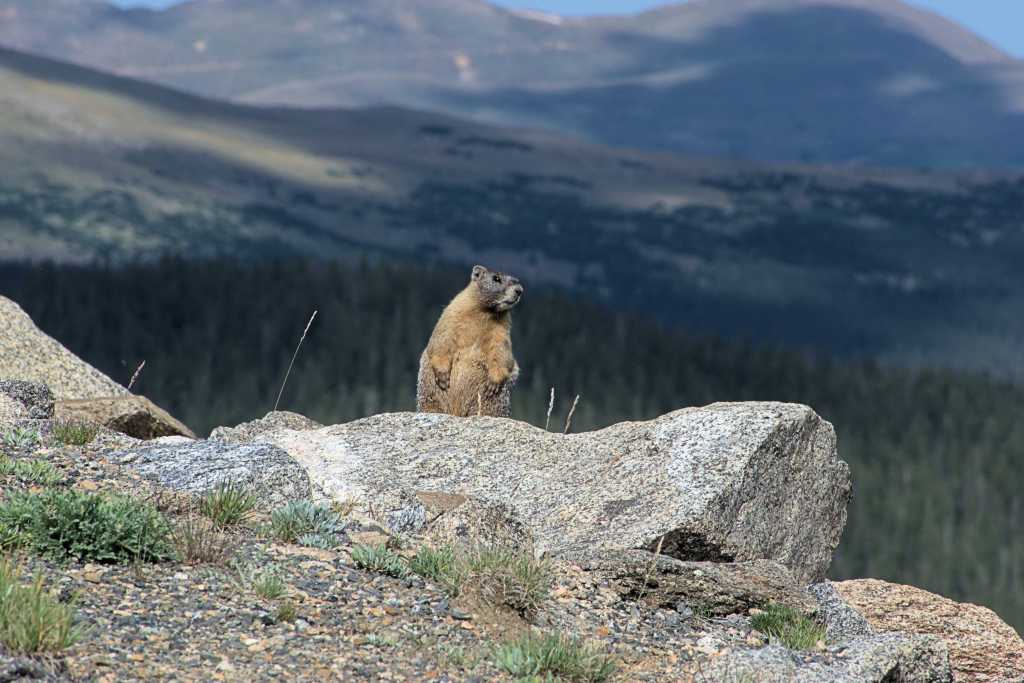
Marmots are members of the Sciuridae Family and are ground squirrels, that live in burrows. Eighty percent of their life is spent in their burrows and dens and the majority of that is during eight months of hibernation. Luckily post-hibernation emergence coincided with my ability to get up to to the 4 to 5 mile markers. At about the 3 mile marker is the Mount Goliath Nature Center and right across the road is the tree line where you begin to see the marmots as they forage for food. Marmots eat just about anything that is green. They also feed on berries, roots, moss and lichens along with various grasses. Occasionally they will consume eggs and bugs but are not true omnivores. Once you get above the tree line you start seeing a marmots pride and joy rockpiles. They play in them, forage for food and most importantly use them as escape routes from predators. The marmots will scoot down one hole and then pop up in a different one as they play natures own version of whack-a-mole.
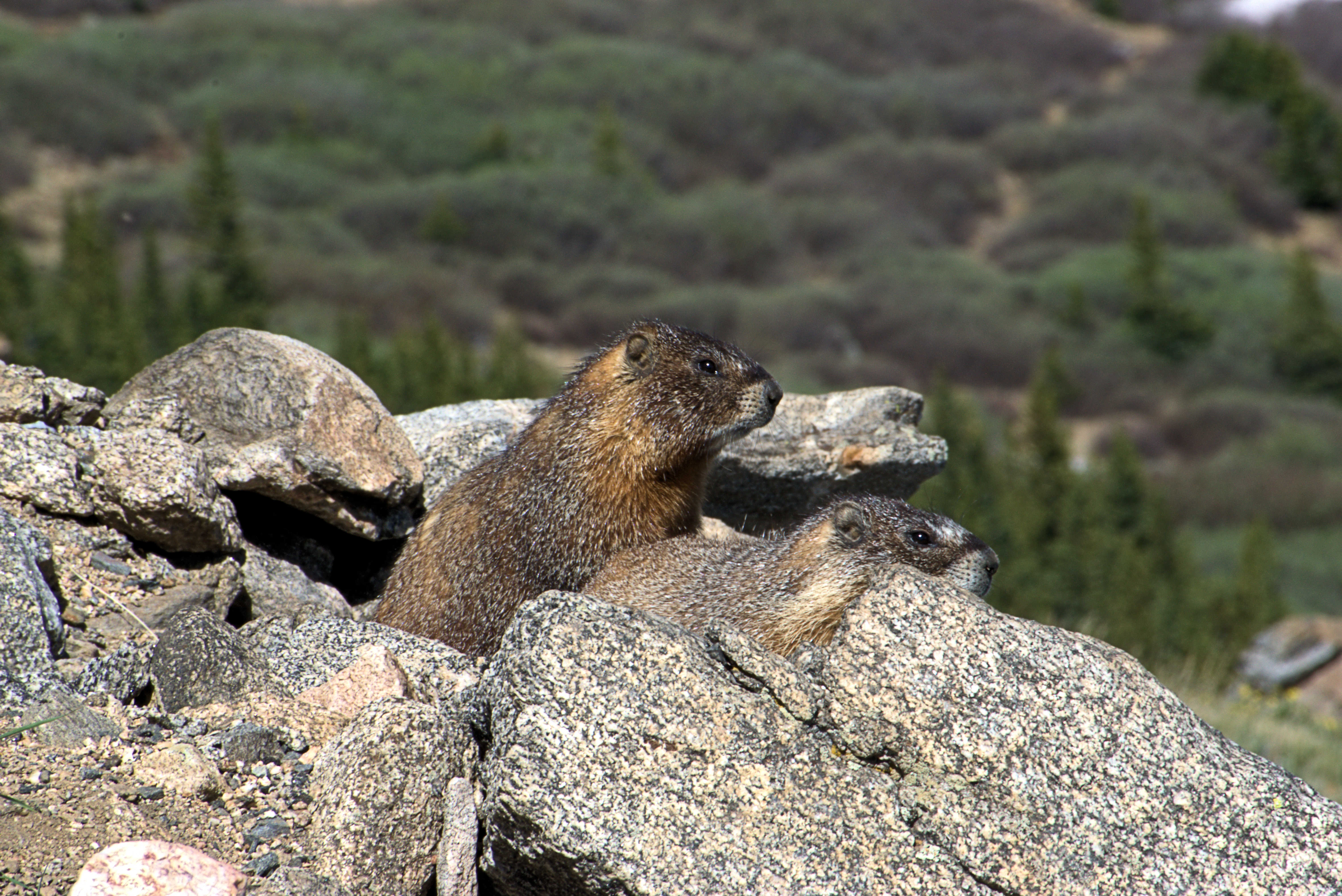

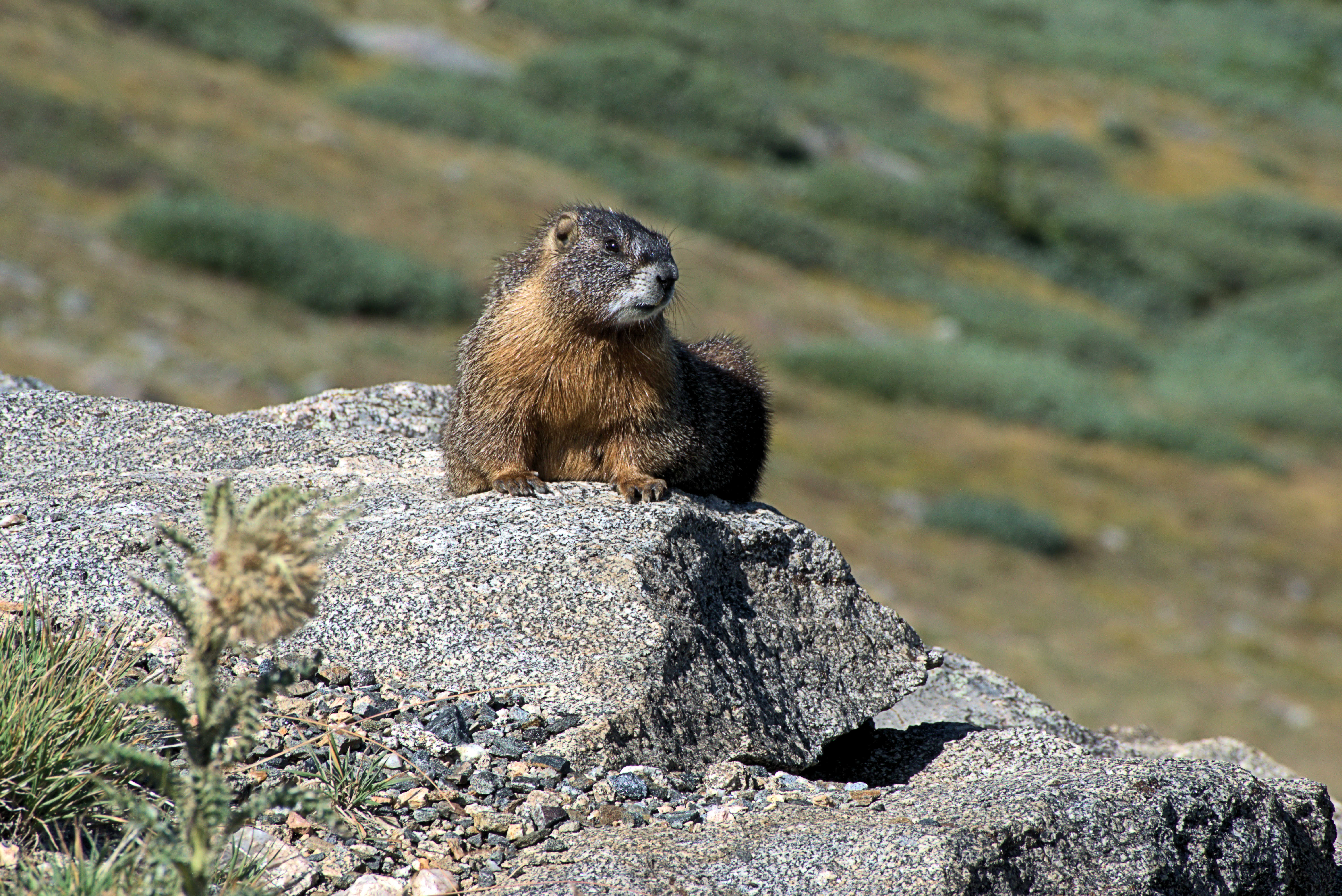
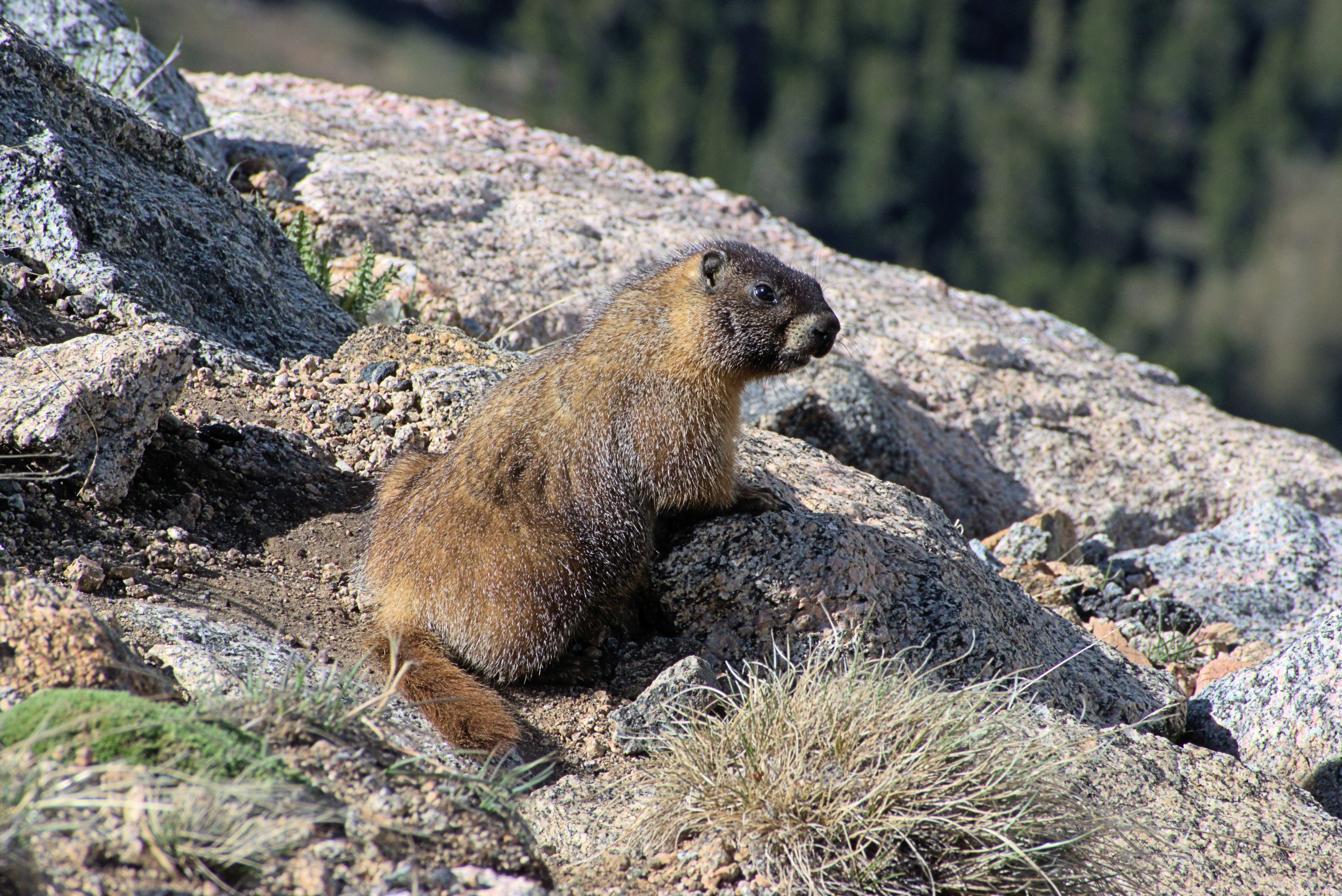
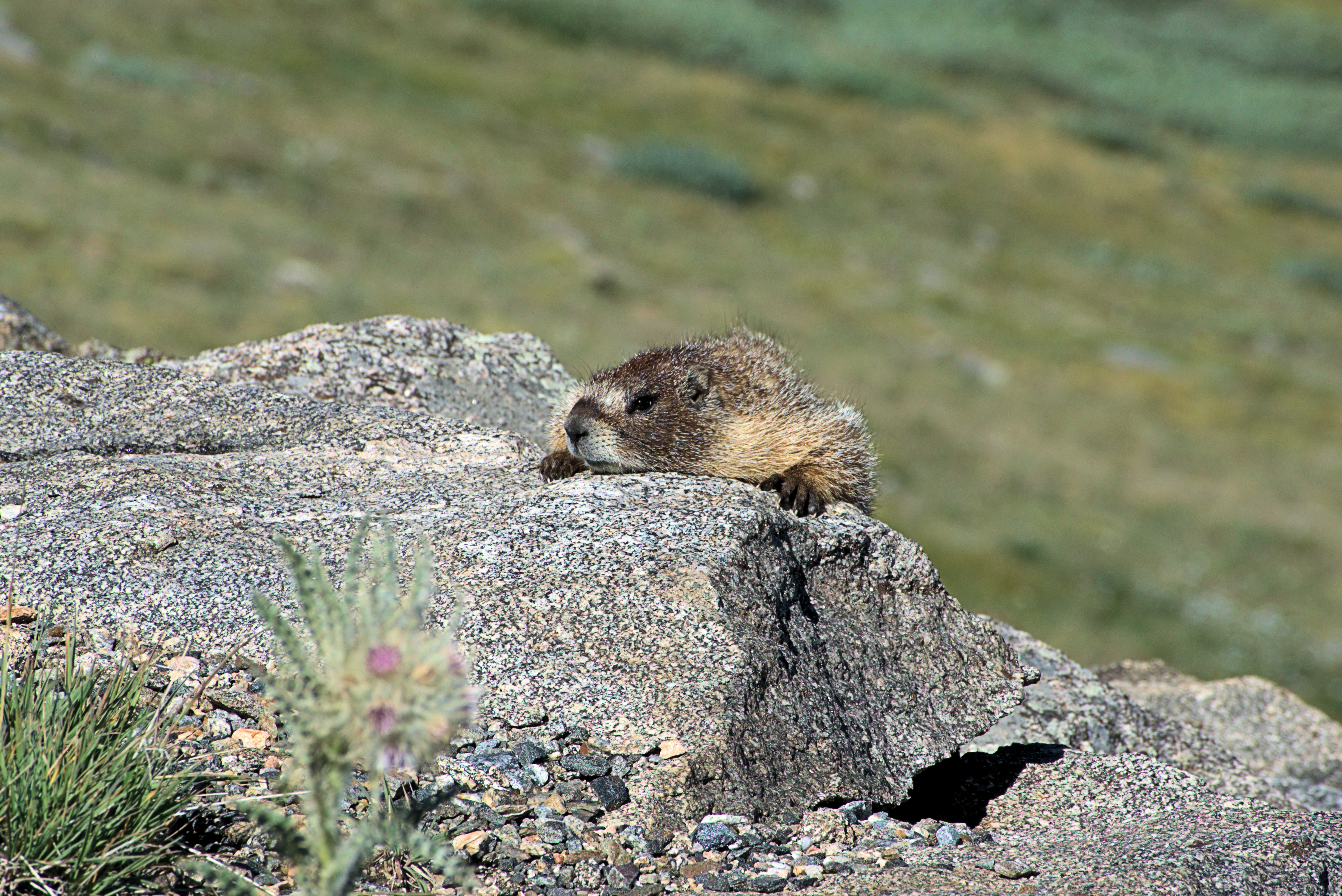

Marmots have a two dimensional hierarchy in their social order. The family which has a dominate male and female along with offspring and a colony which is multiple families grouped together. However the marmots families do not comingle. Aggressive behavior between the families occurs if they try and interact in a classic example of good neighbors have tall fences. Instead of wooden fences the marmots leave scat around their burrows and dens to definitively mark out their territory. They put out sentries that will alert others of potential threats by barking and whistling so they can retreat to the burrows.
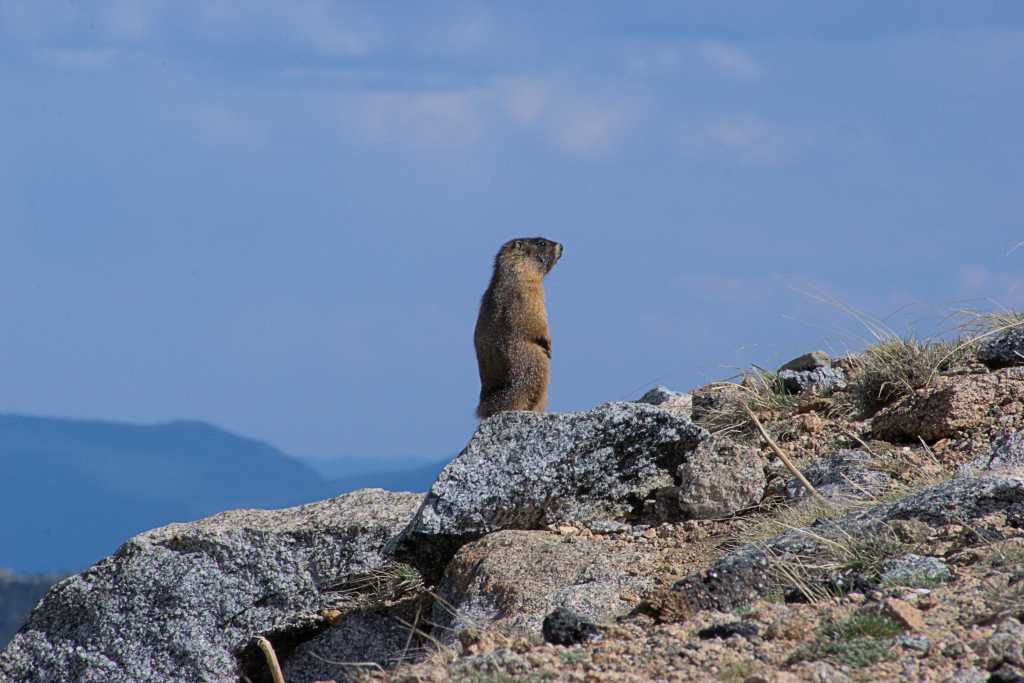
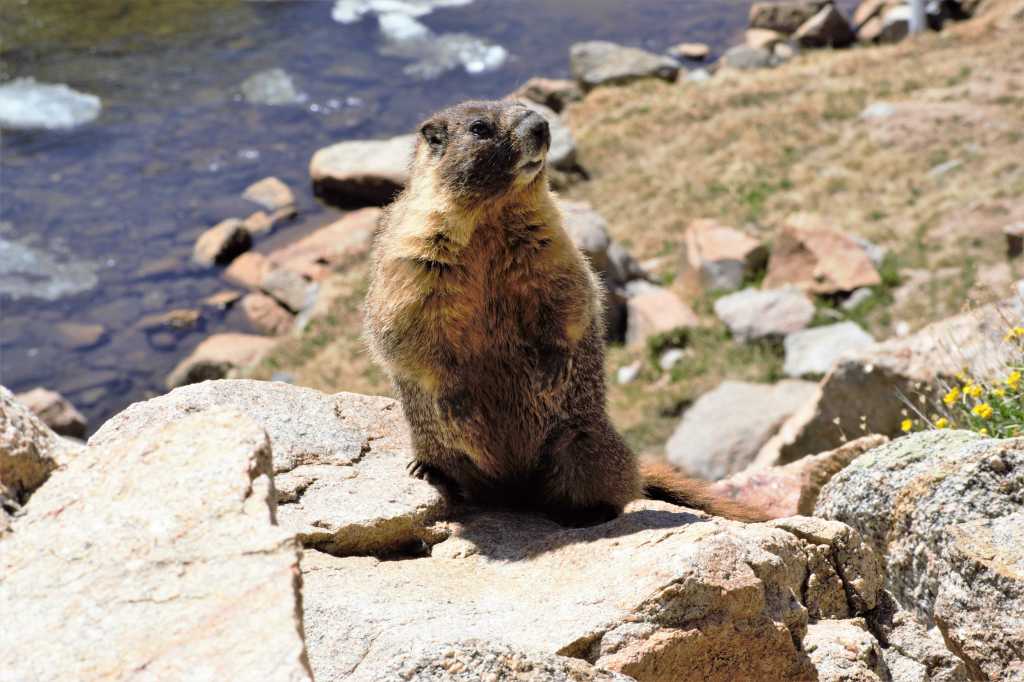


Marmots are highly social animals members of a families’ domain are a very tight knit group. They will greet one another by rubbing noses and grooming other members of the family is a common practice. Male marmot pups will only spend a year with the family and then they are banished to fend for themselves. As I went on WaltAbout up the Route 5 many times I often saw the marmots, who seemed to get bigger as I went higher up the mountain. They can weight up to 15 pounds and have a life span of 10 to 15 years.
