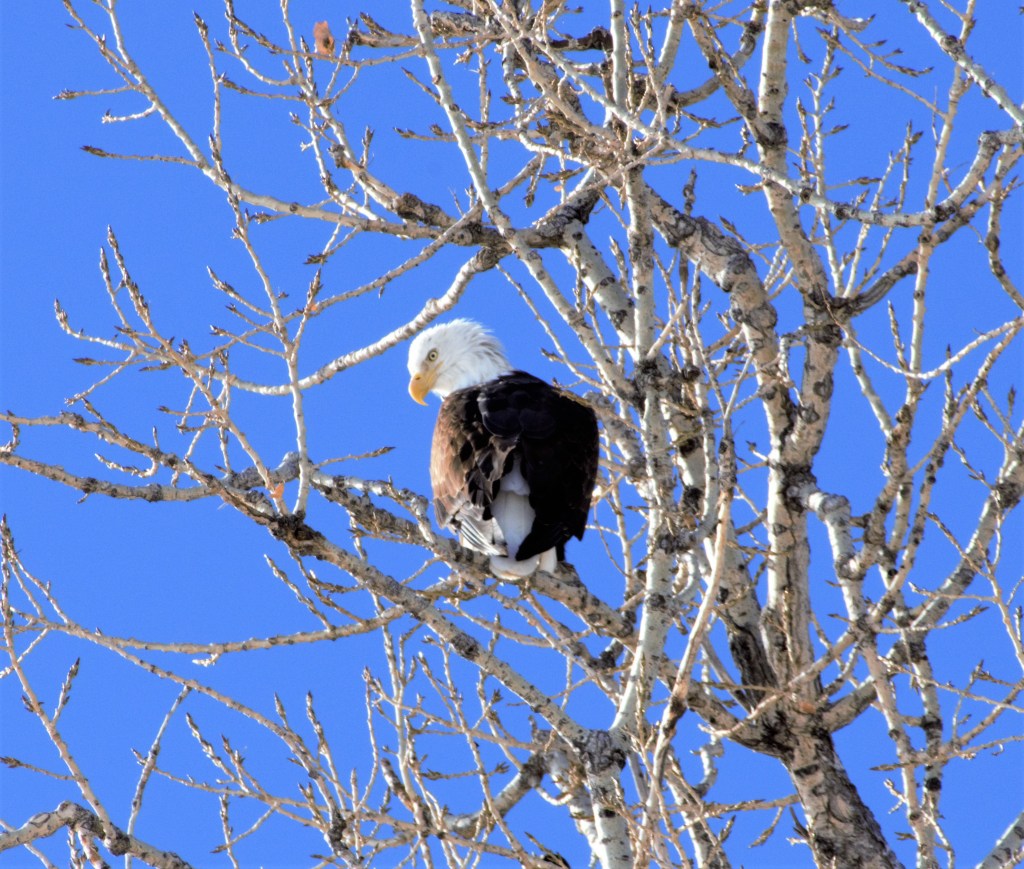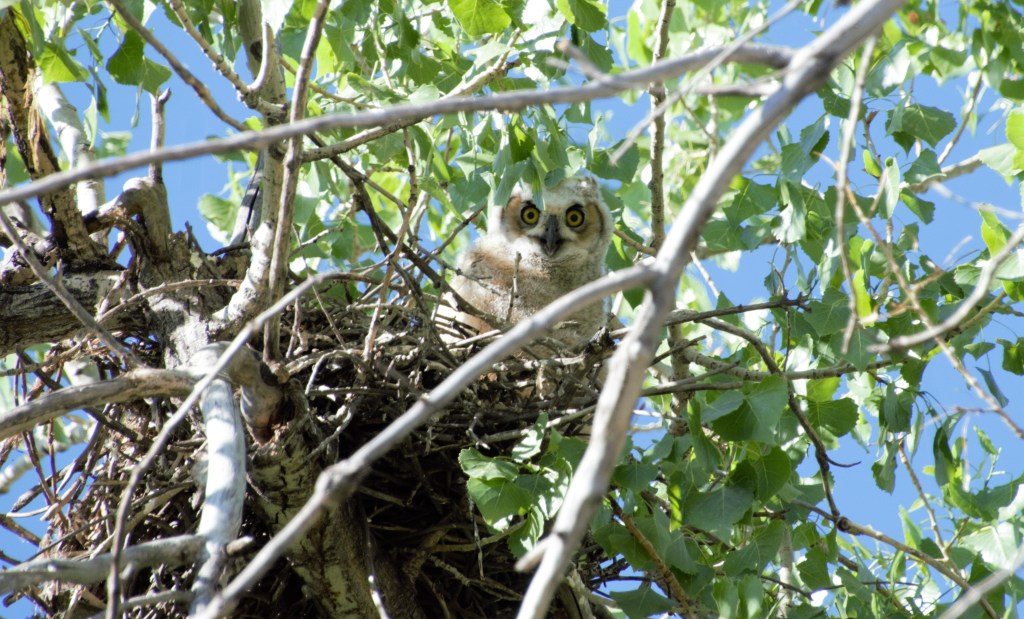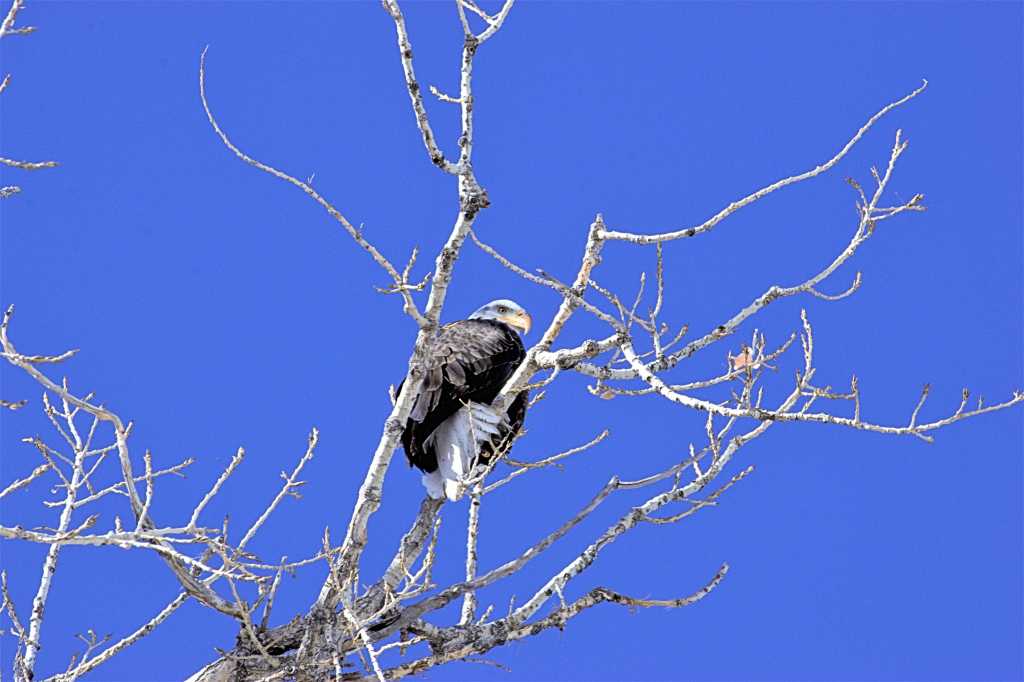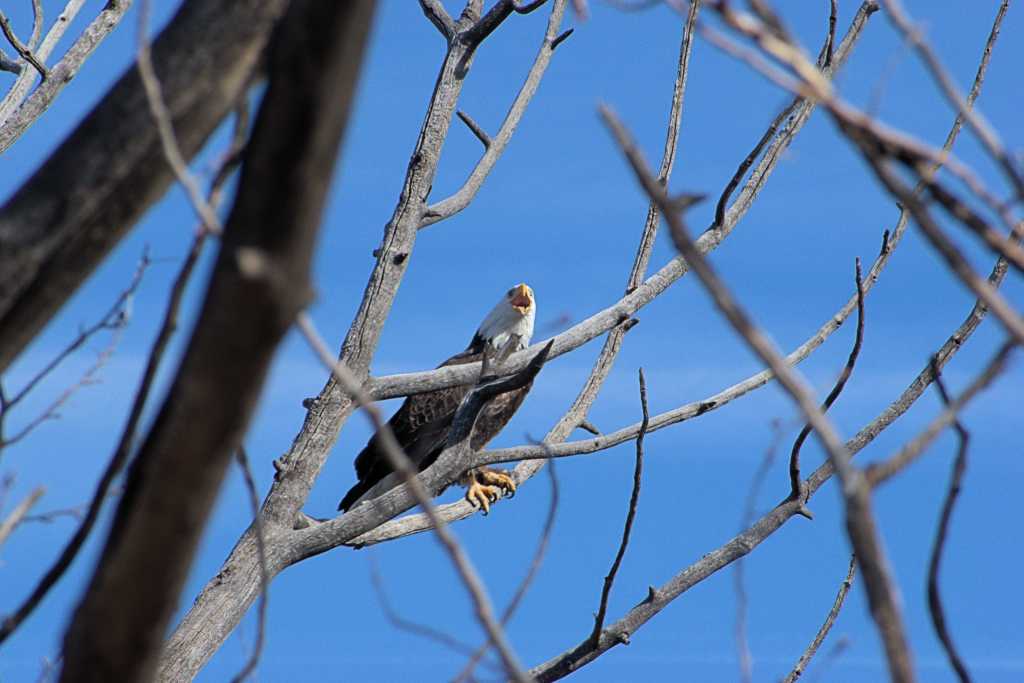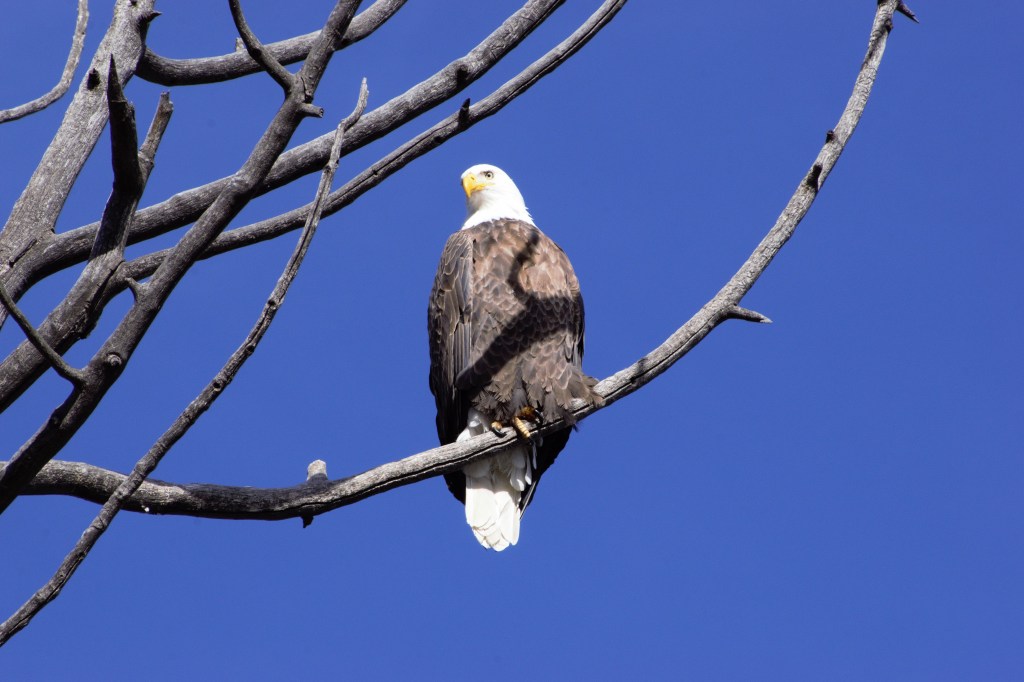
I have been very fortunate to see the amount and variety of Raptors while on WaltAbout. Weather permitting on any given day, I can see these birds of prey a very unique category of birds. This group of avians share a lot of similar traits. They prefer to take their prey live, fly to a place of safety where they then will kill and consume. The raptors are able to do this because of the strong talons that they have. These birds also have keen vision although some like owls who have those big eyes have additional advantages to catch their prey at night. If prey is not plentiful they will consume carrion. Their beaks are sharp and can tear apart just about anything with fur, fins, or feathers.
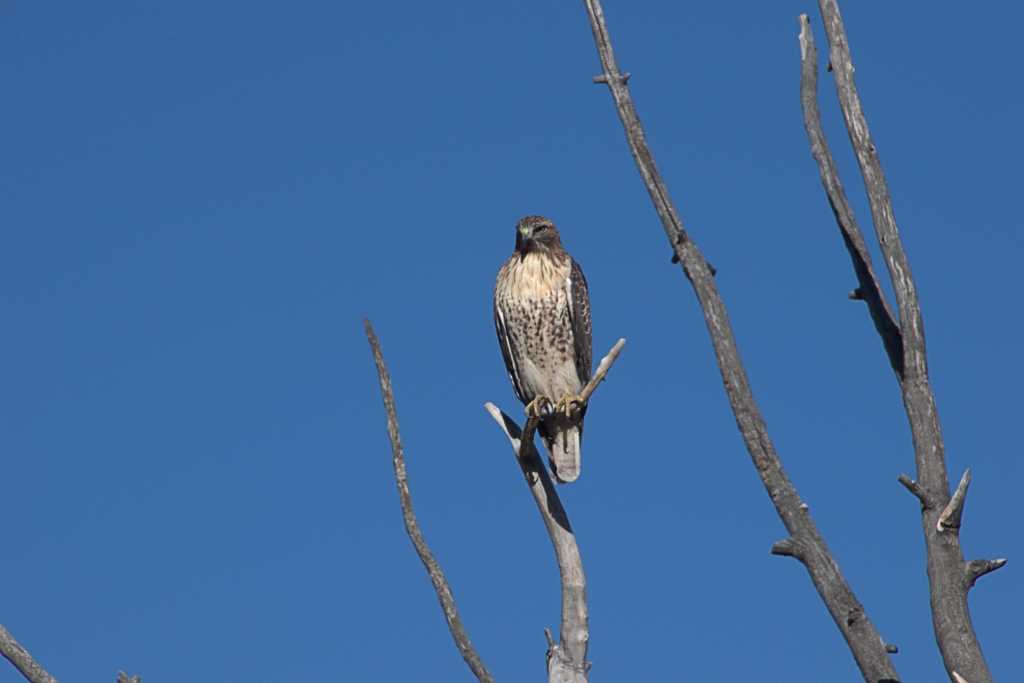
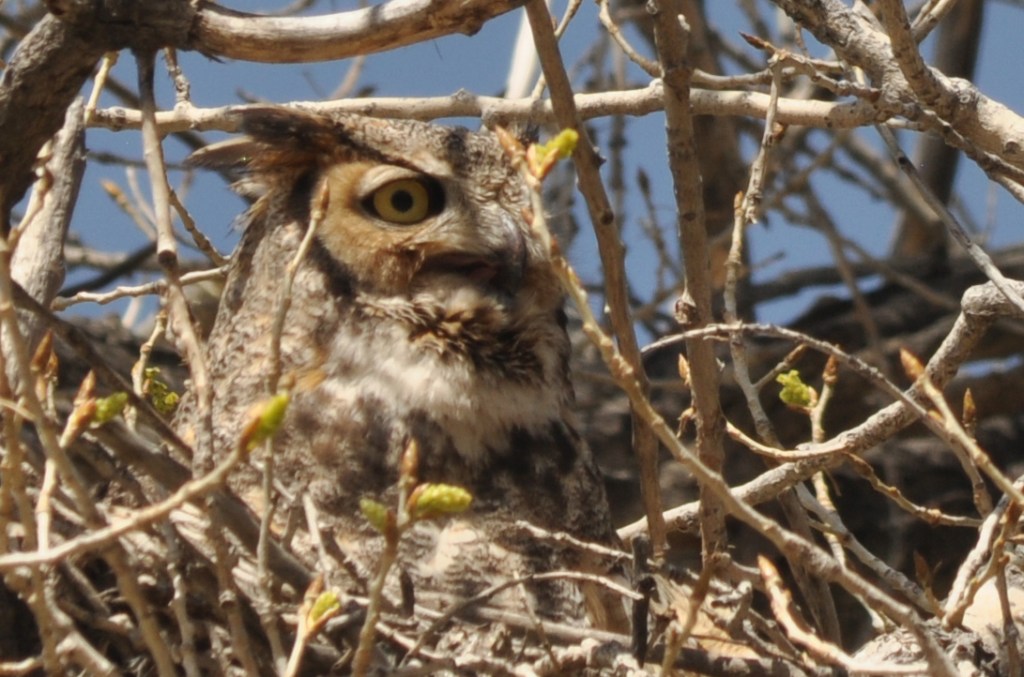
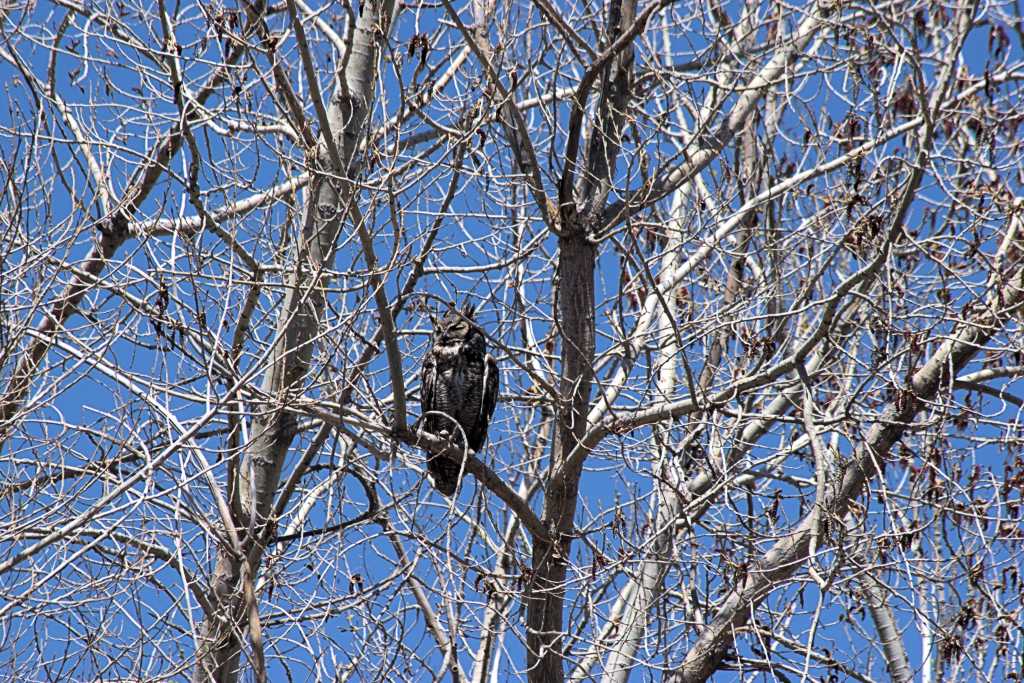
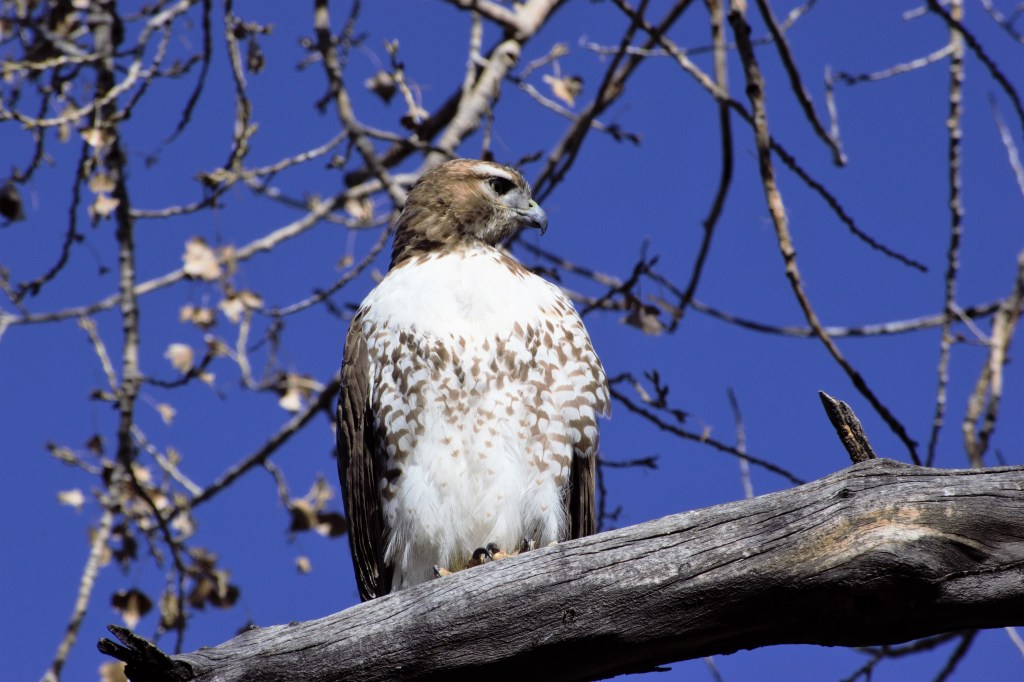
Birds of prey will hunt and consume a variety of vertebrates, including rodents, fish, birds and snakes. These carnivorous birds take their quarry by force which in Latin is said, rapere and eventually evolved into the word raptor. All birds of prey have the attributes in common that you are seeing on this page that gives them the apex position for birds. When you go to the other birds page you will see some carnivorous birds but they do not have all the characteristics so they are other birds. Great horned owls, bald eagles and red-tailed hawks are the raptors I have seen the most. I also have seen osprey, vultures, kits and many types of hawks and falcons. The vast population of the raptors is a key indicator of just how healthy the bird population is in my region.
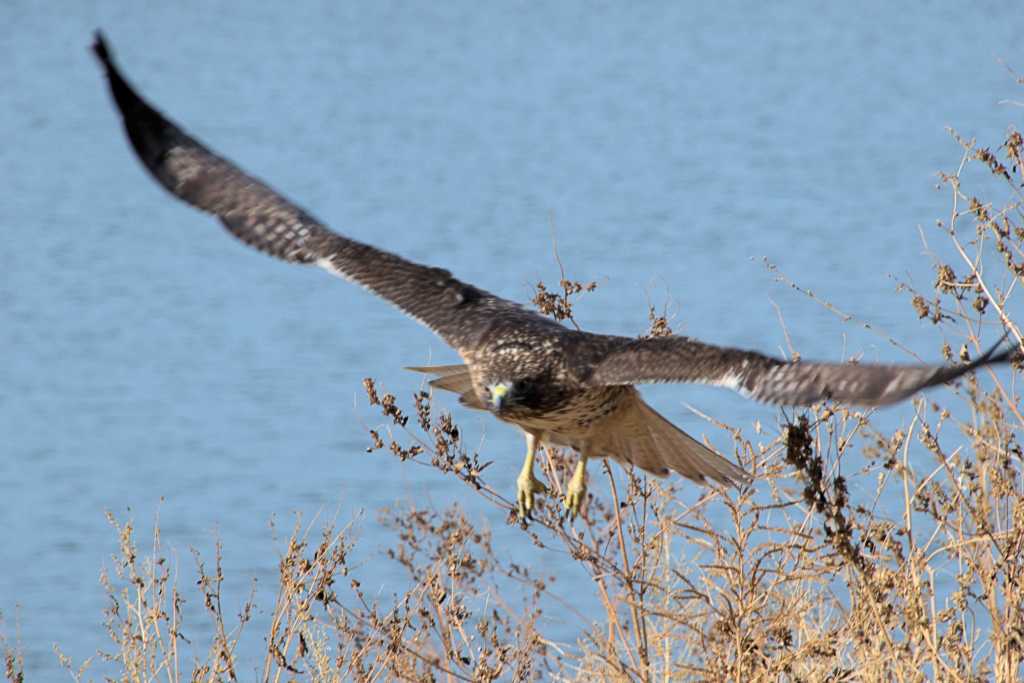
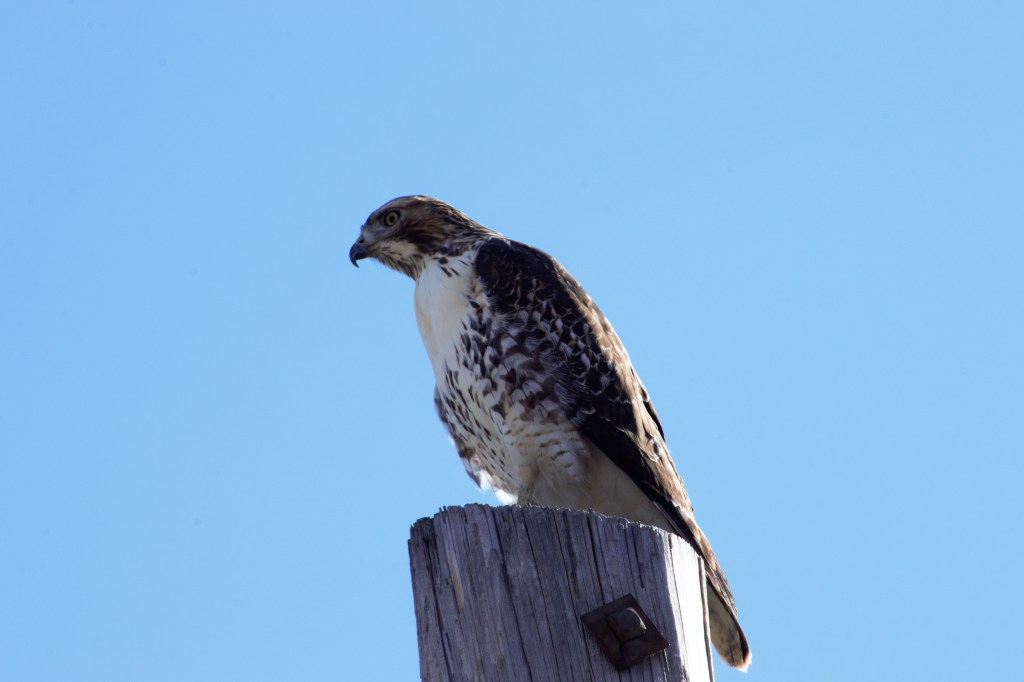

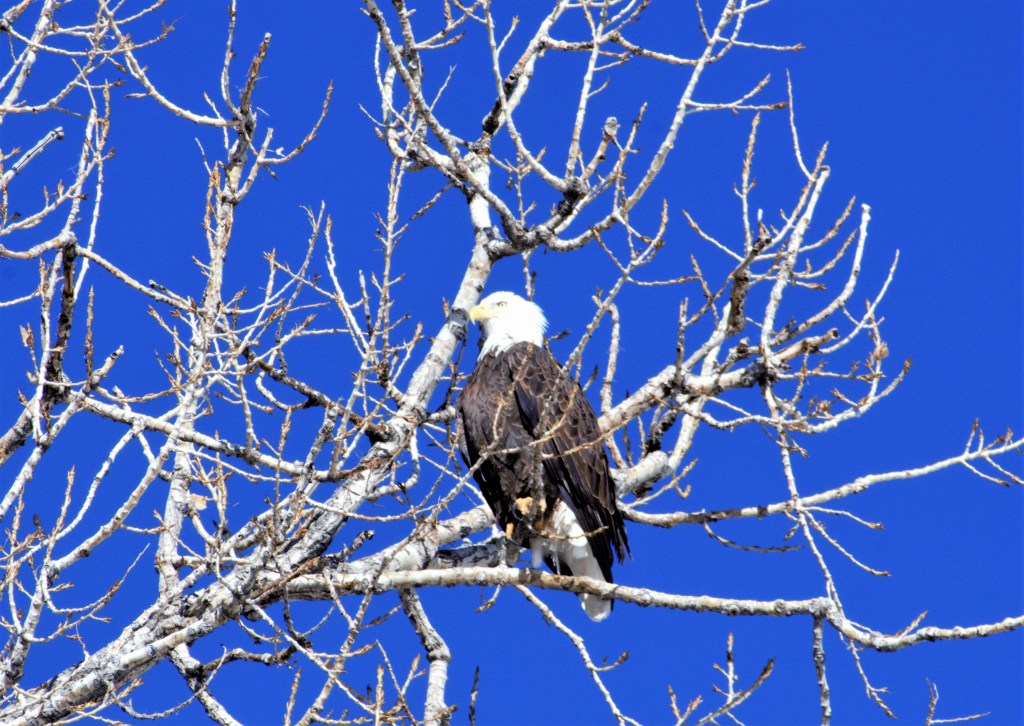
Raptors are highly adaptable and have thrived not only in natural habitats but in rural and some suburban venues as well. I probably have seen more raptors on street lights and phone poles than anywhere. These birds absolutely keep the rodent population in check, some prefer fish like the bald eagle and the osprey but they all will feed on rodents.
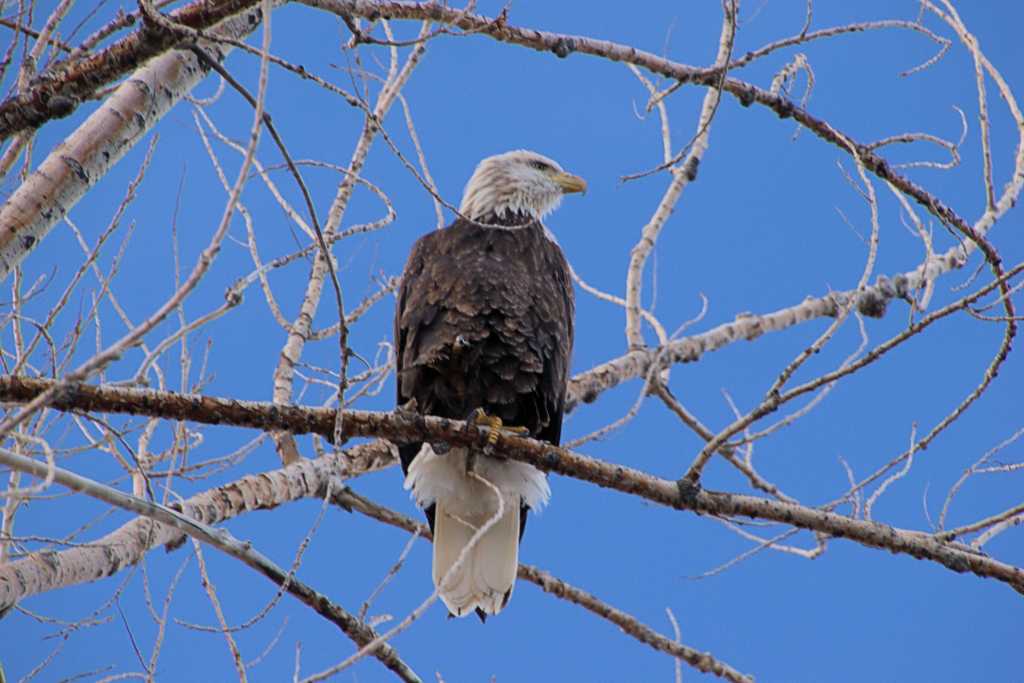
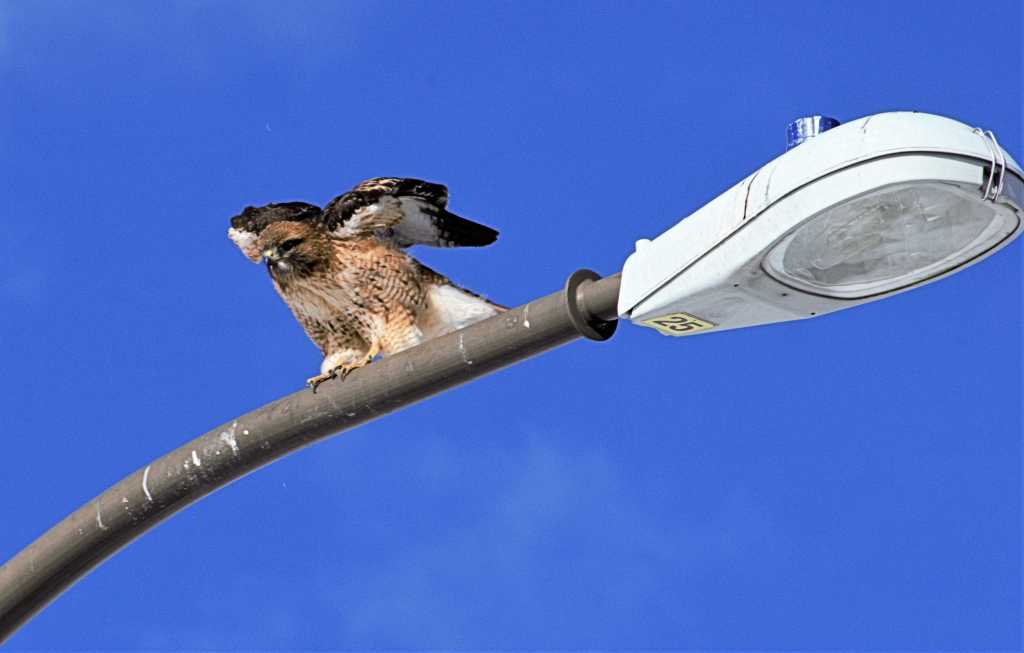
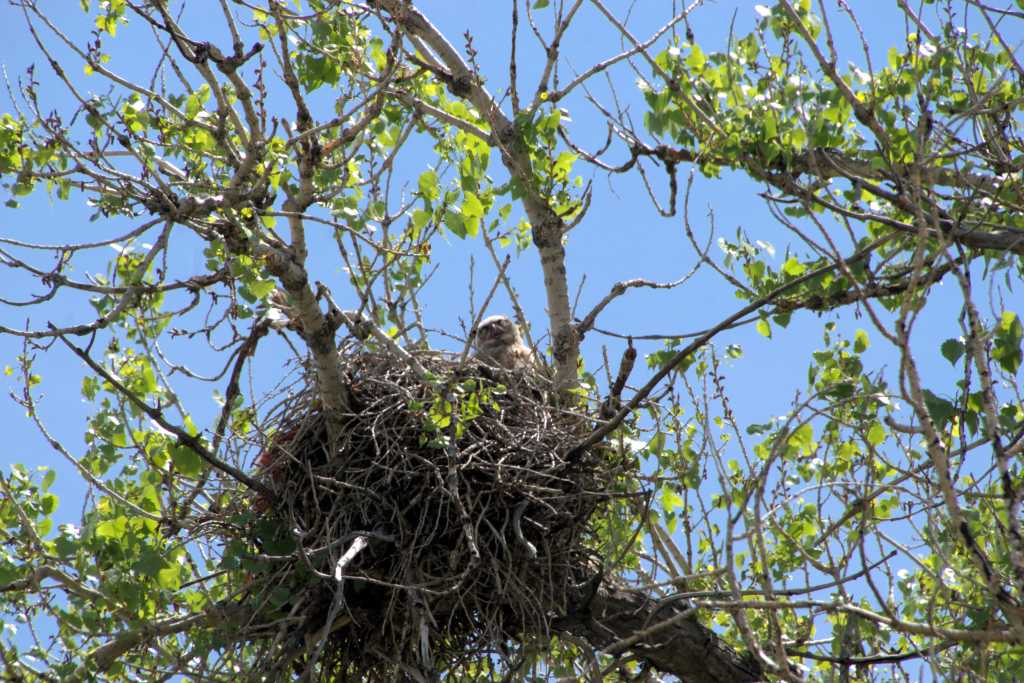
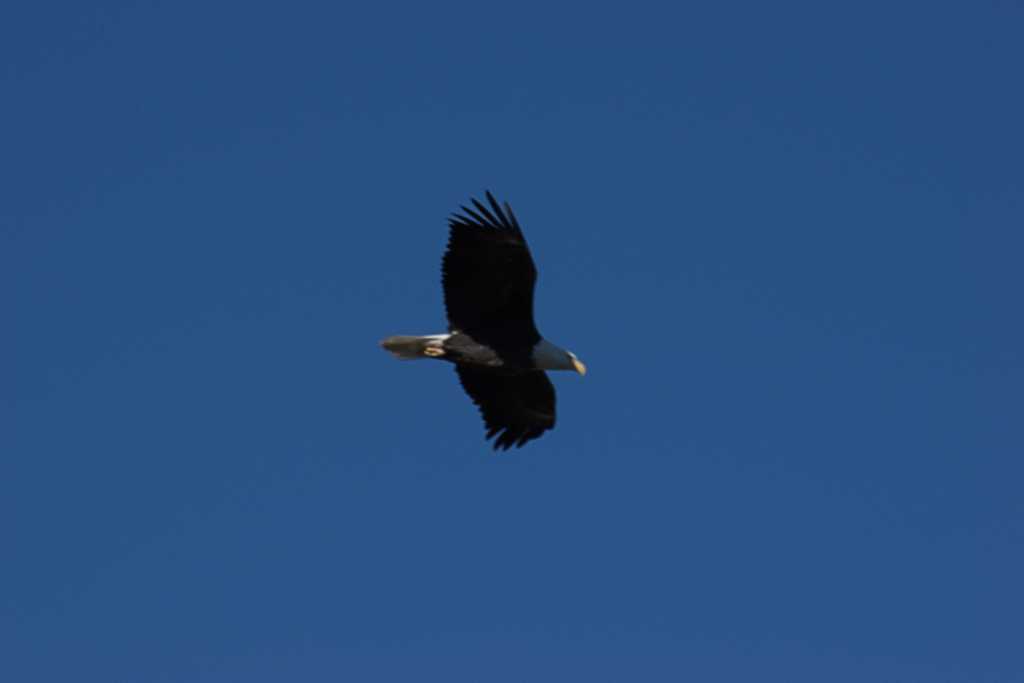
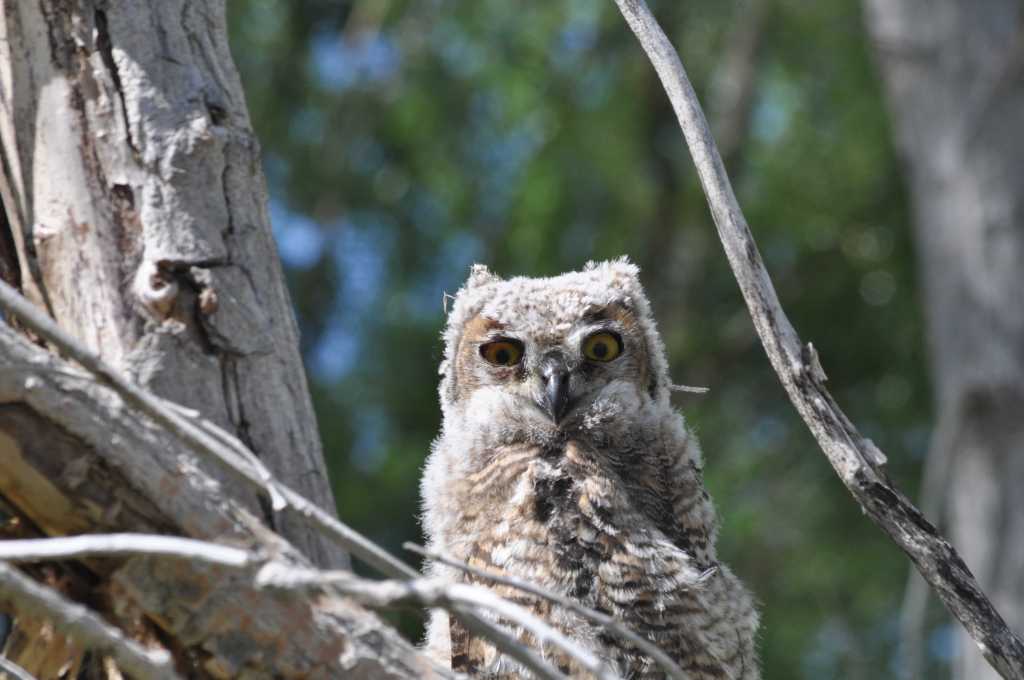
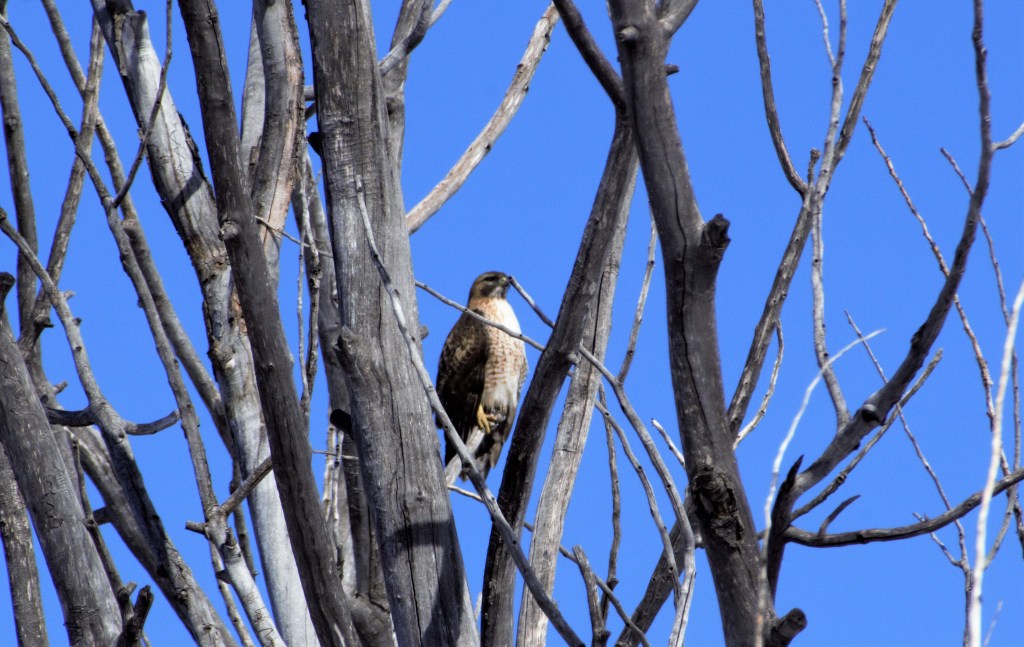
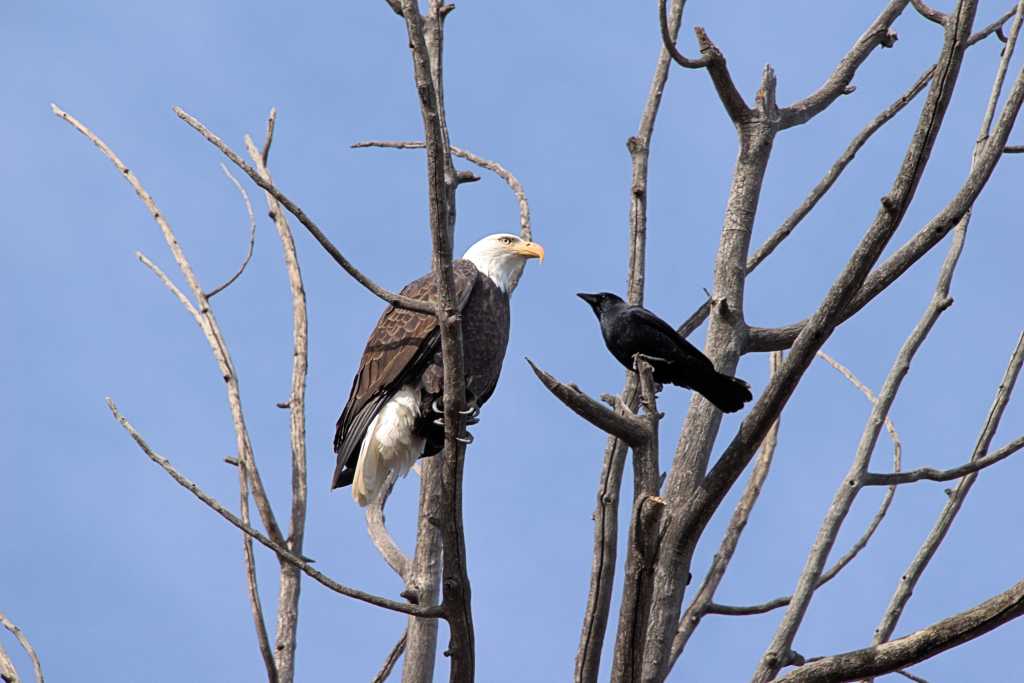
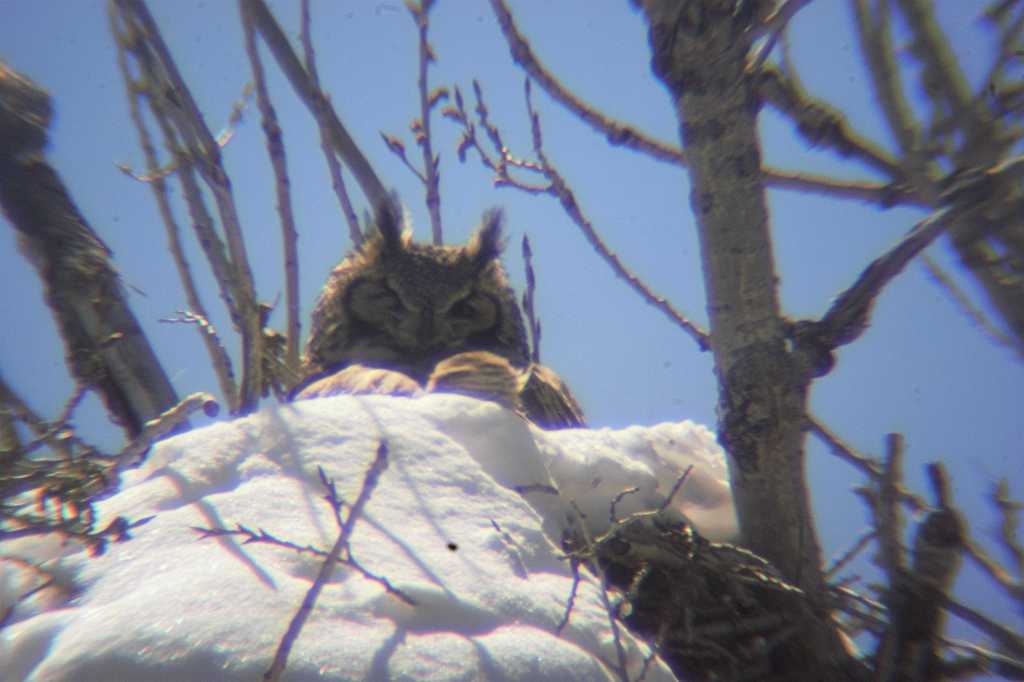
Understanding the phenology of the raptors greatly improved my chances of viewing them. Phenology is the relationship between wildlife activities and the environment. What they do in winter, spring, summer, and fall in a routine cyclical manner. I have spent years learning those cycles which are really consistent. I also go out in the dead of winter to find nests that are exposed with no foliage on the trees. Nests that you see this year may not be around or used next year for a variety of reasons so it pays to find new ones.
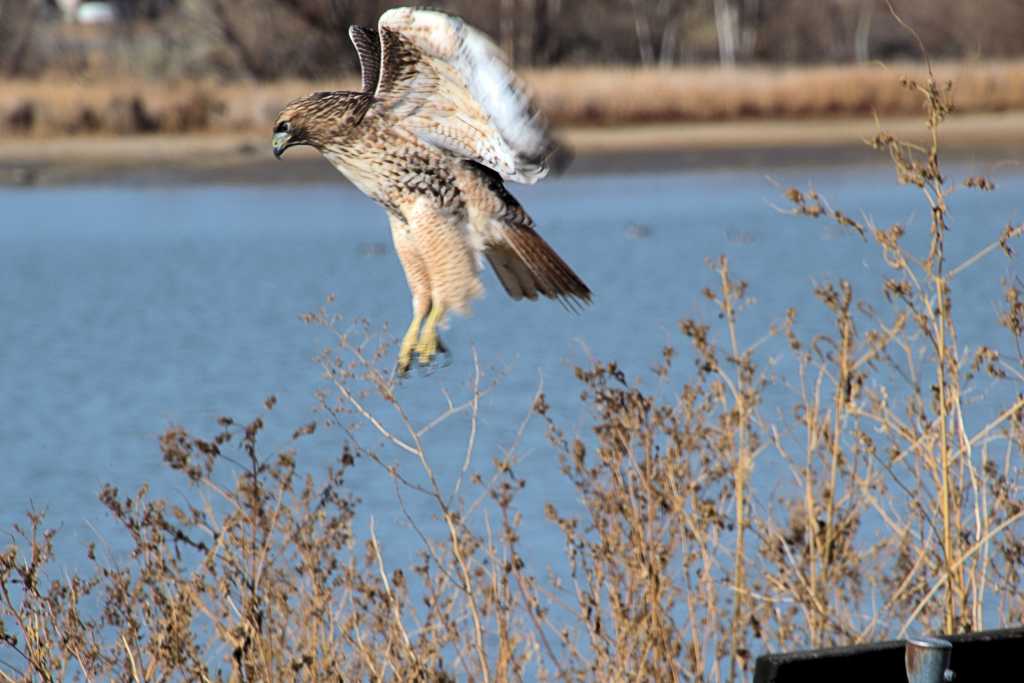
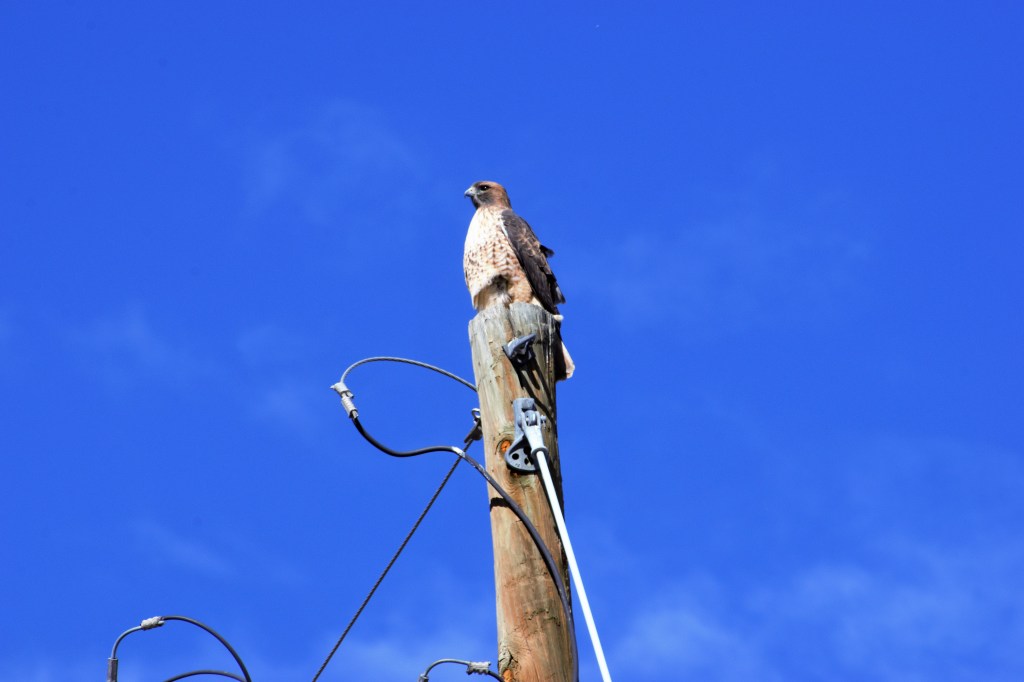
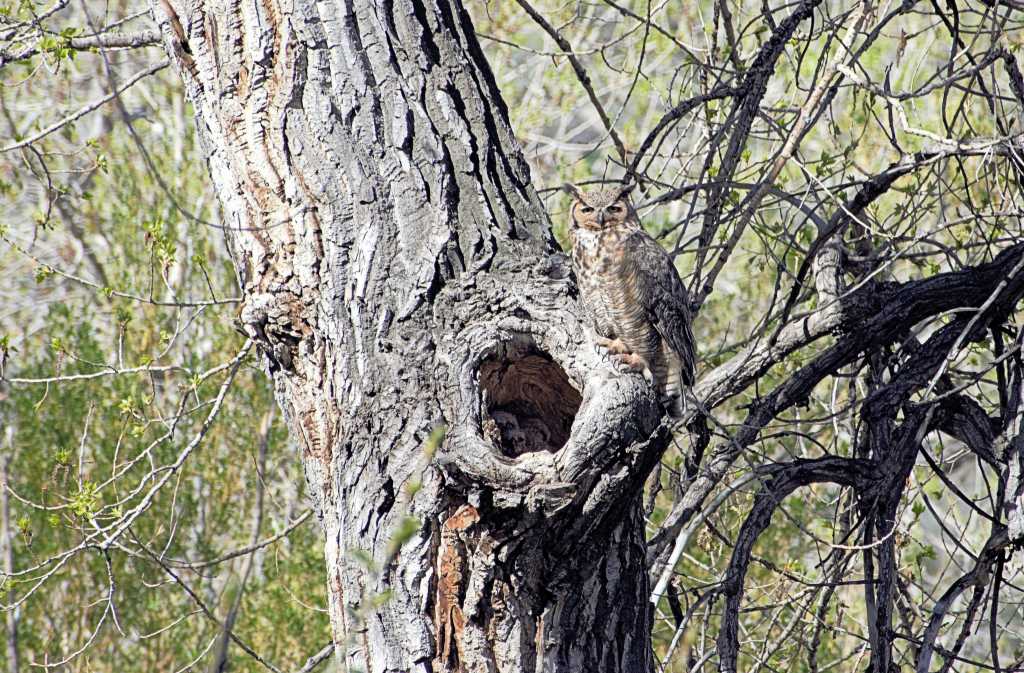
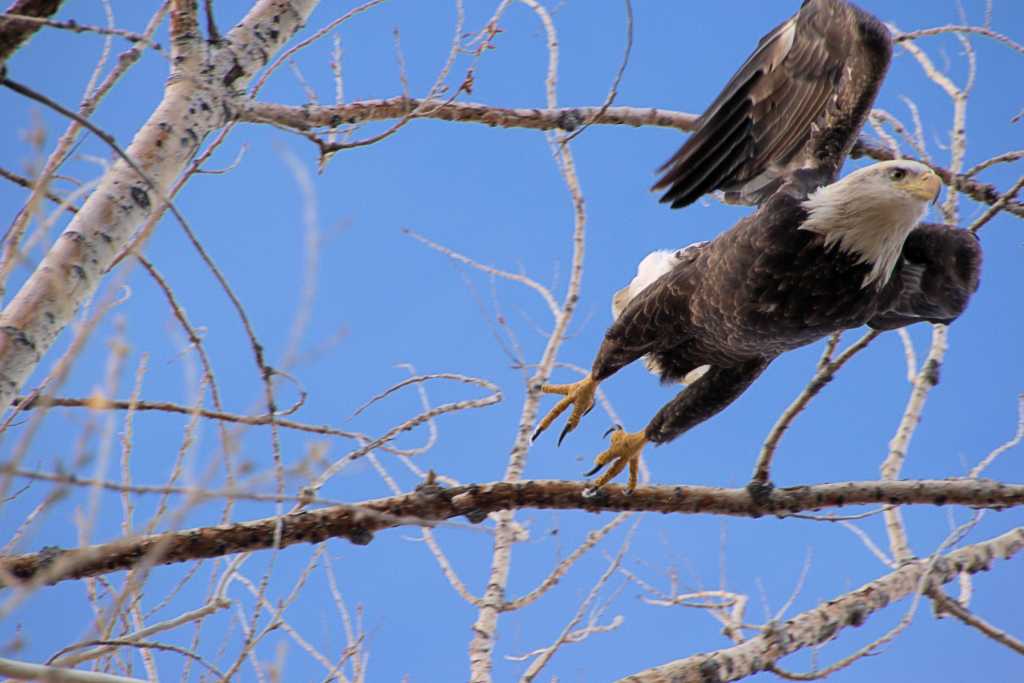
Many if not all of the raptors that I have seen are resident to the state I believe. That’s a big reason why their are so many bird sanctuaries all along the front range of the Rockies. The red-tails and great horned owls definitely are and I have seen the bald eagles year round so I would suspect they are also. I have a lot lakes, reservoirs, streams and open lands within a ten mile radius of my home that raptors thrive in. Over time I cranked out thousands of miles while on WaltAbout watching the raptors, learning their routines and tendencies. Spring is prime time for bird watching as many of the species are tending their nests and with warmer weather the foliage will grow making it much harder to spot them.