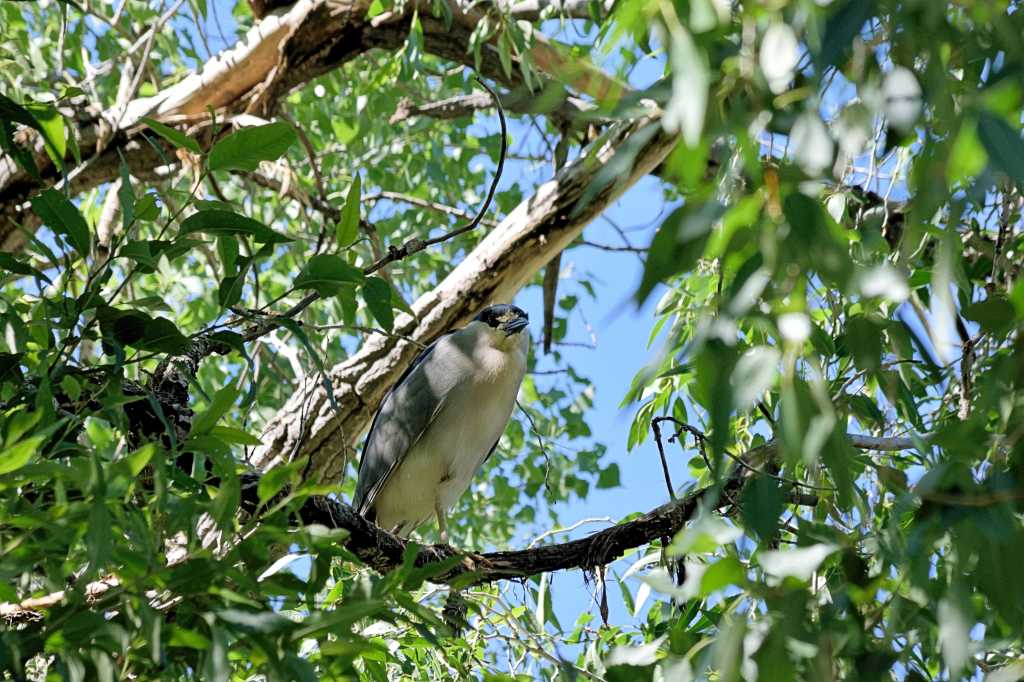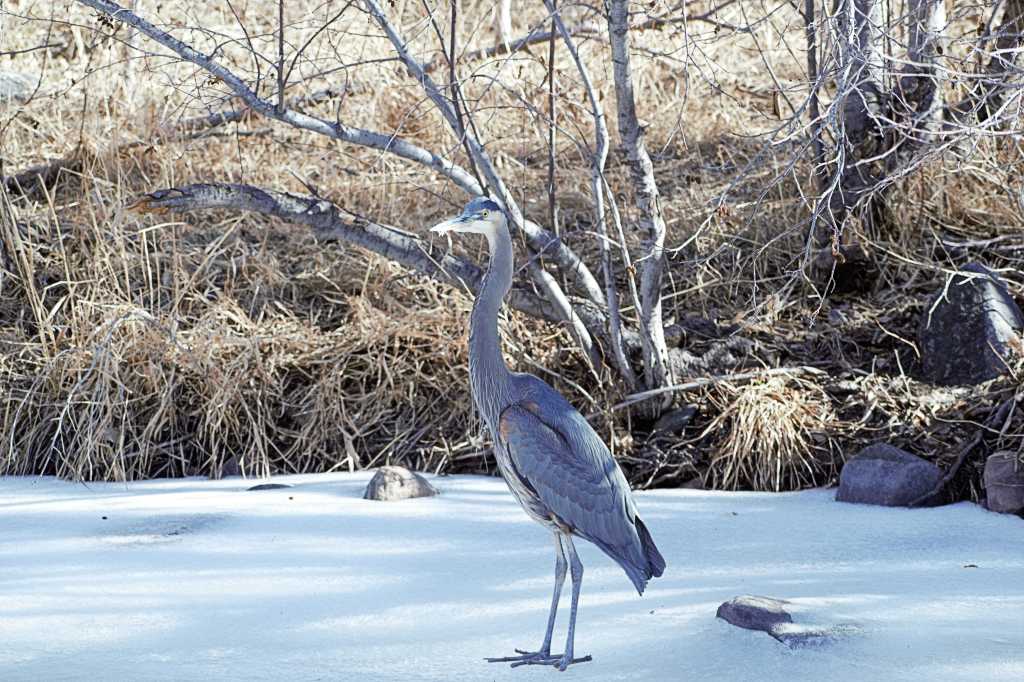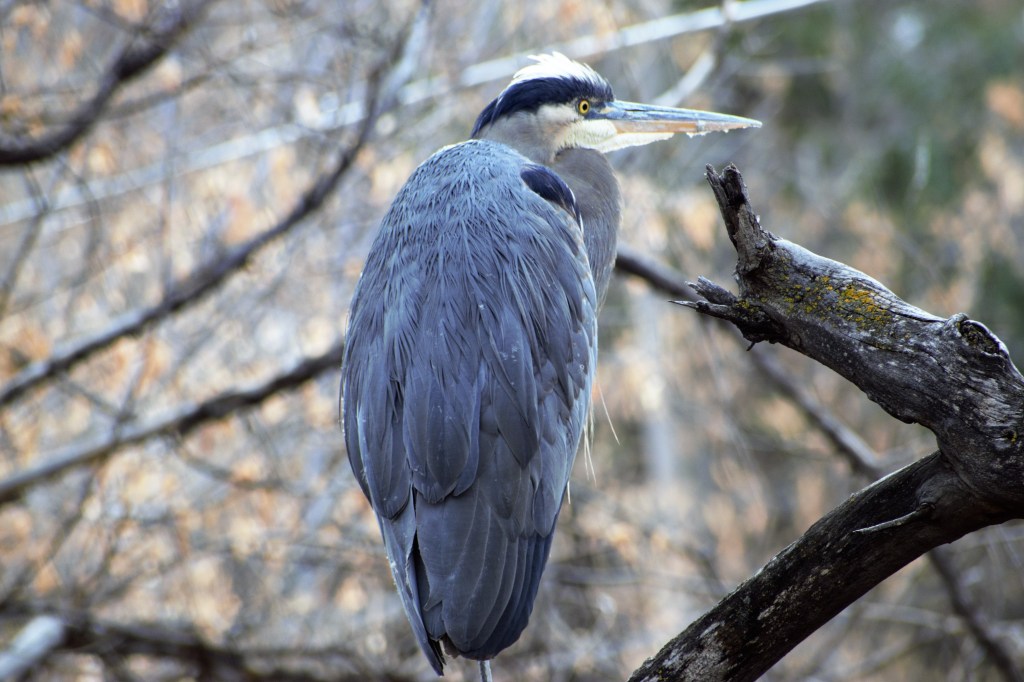
When I use the term Other Birds I am referring to birds that are not raptors that I have seen while on WaltAbout. These birds share a lot of the characteristics of the raptors but not all of them which keeps them out of that apex group of avians. But they are definitely not songbirds which are called Passerines. Some are omnivores and others carnivores but they all contribute to the balance of nature as both predator and prey.
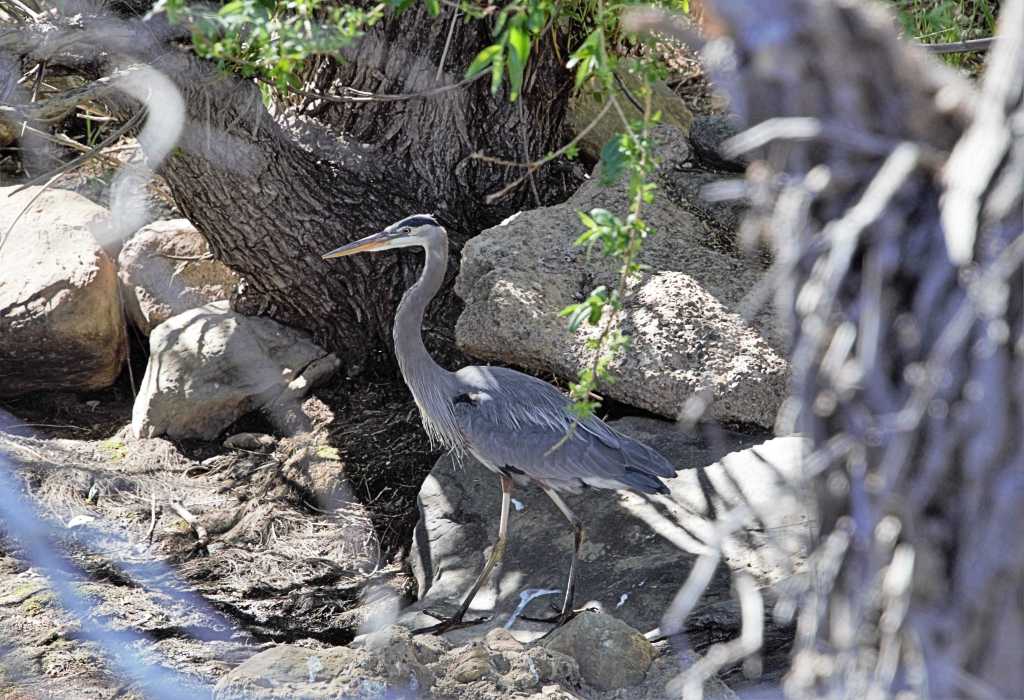
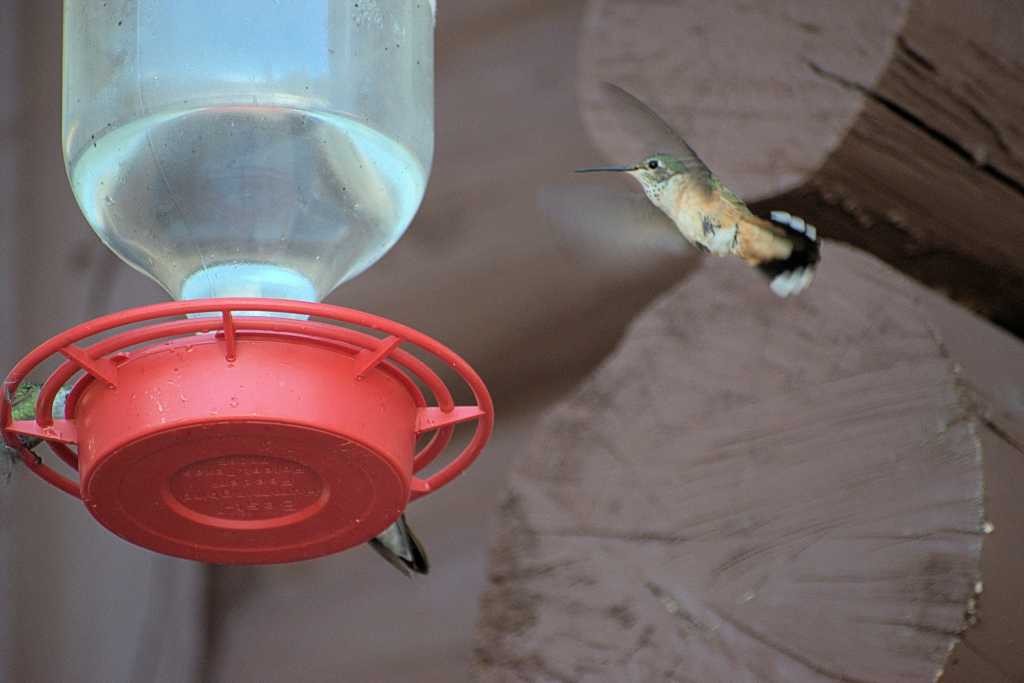
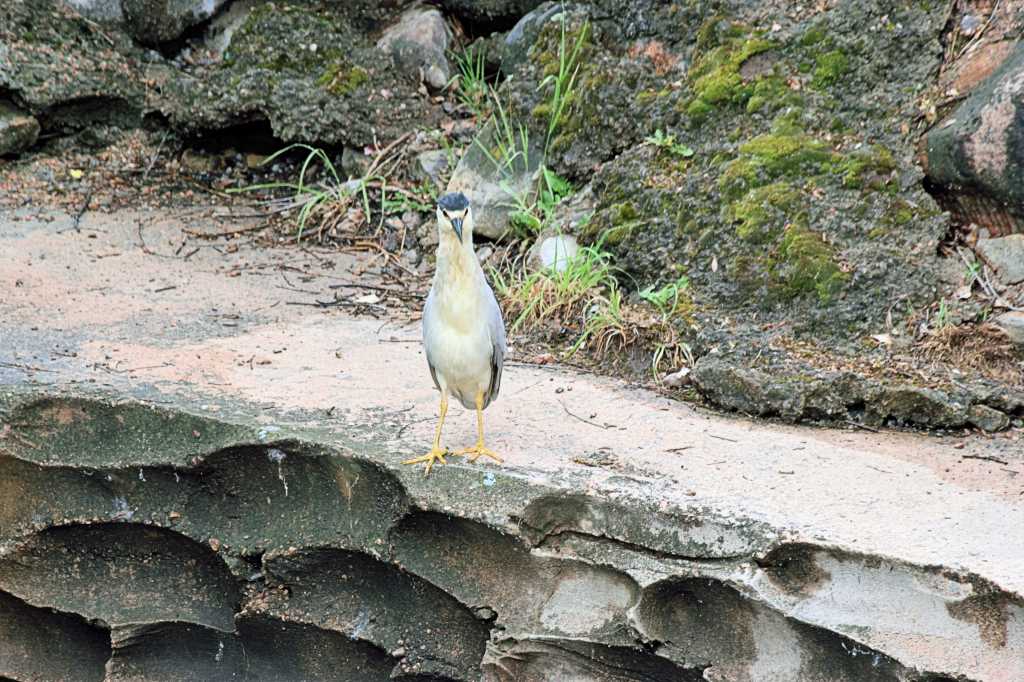
While on WaltAbout I have been fortunate enough to view a variety birds in both the passerines and non-passerine groups. The three other birds that I have seen the most besides the raptors are Hummingbirds, the Great Blue Heron and the Blue Night Heron. The hummingbirds are migratory and are gone by September. I have seen the Blue Night Heron from April to October and the Great Blue Heron year round.
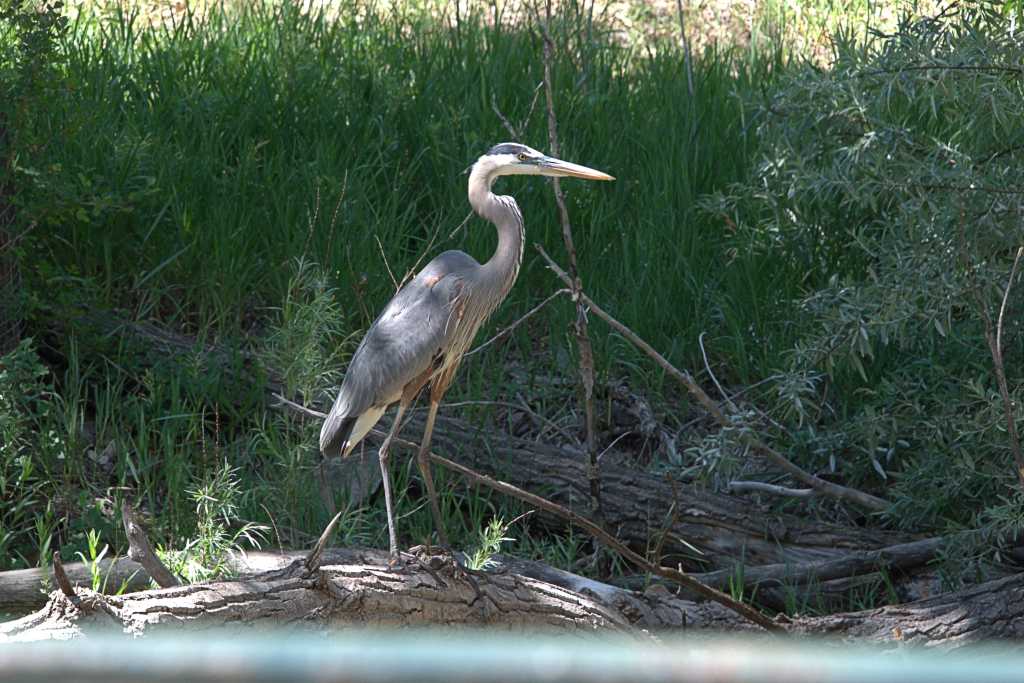
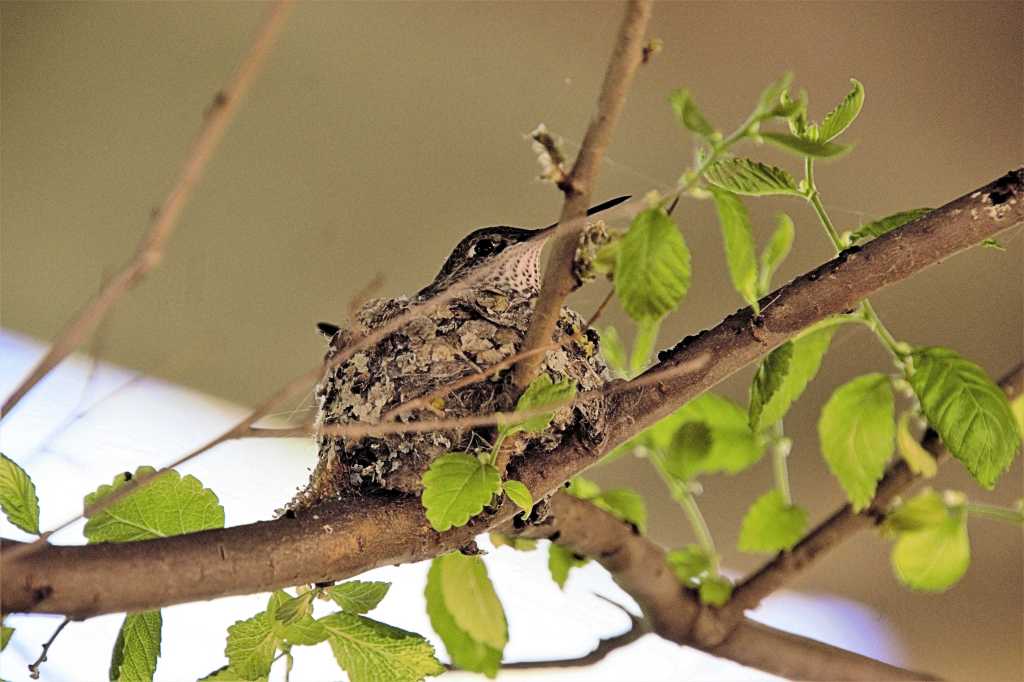
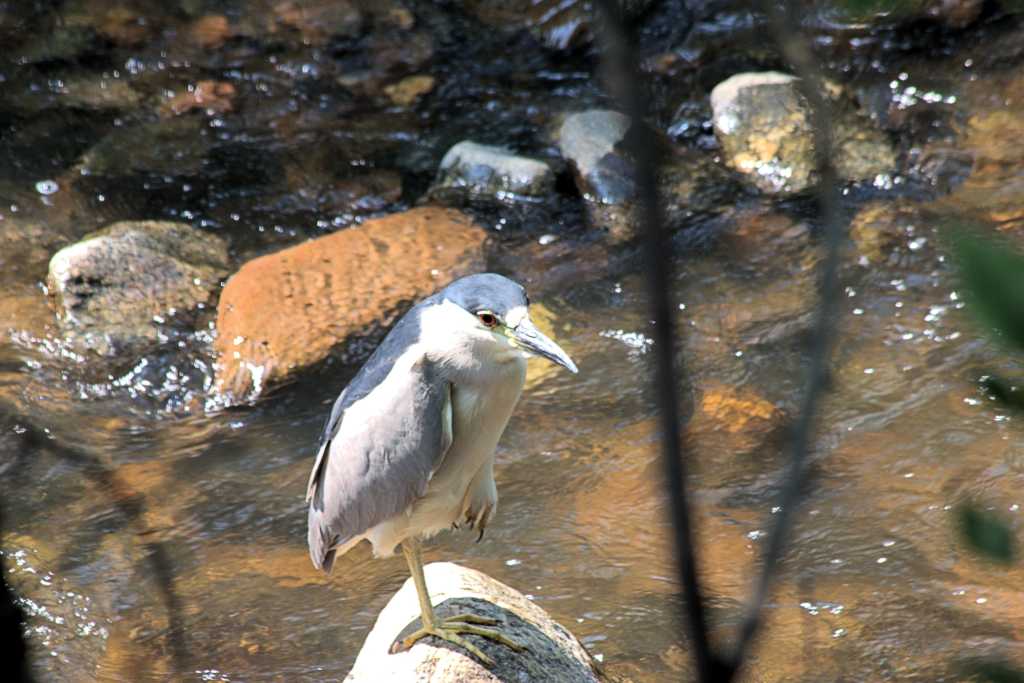
The hummingbirds are the only one of these three birds that I have seen nesting. The Blue Night and Great Blue herons I have seen were stalking prey or roosting around creeks. None of these three birds will mate for life. These other birds also do not share the parenting activities as closely as the raptors do.
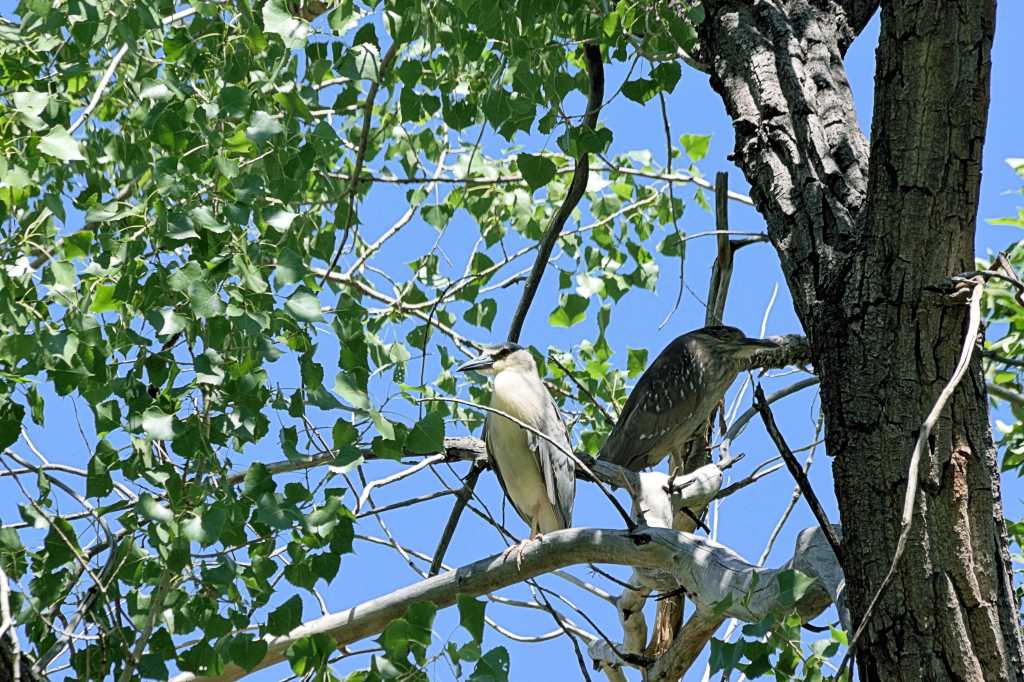
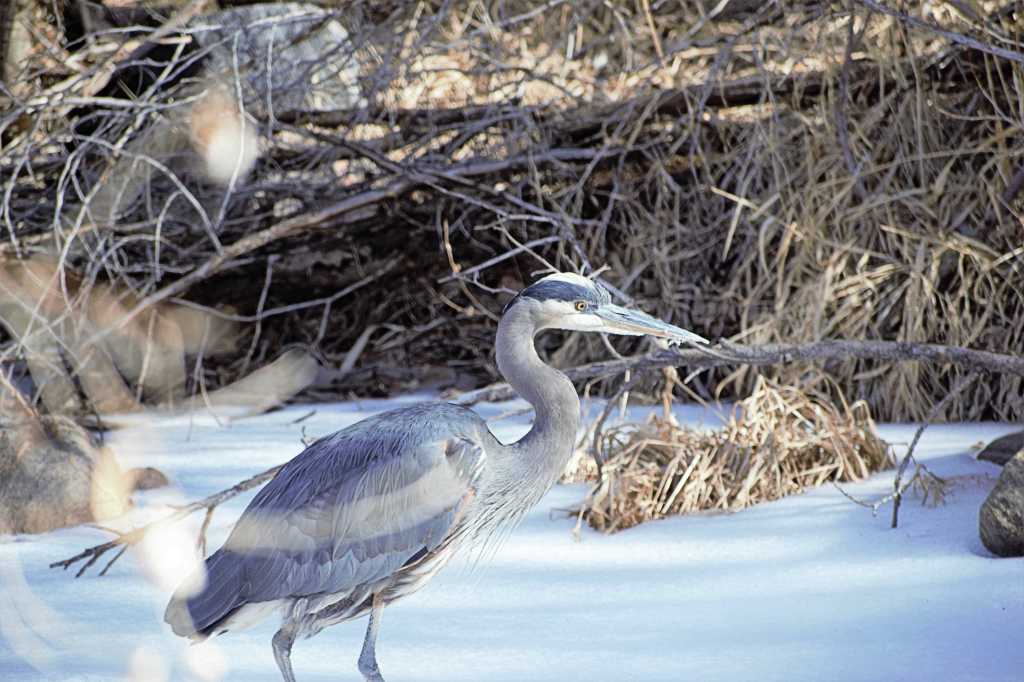
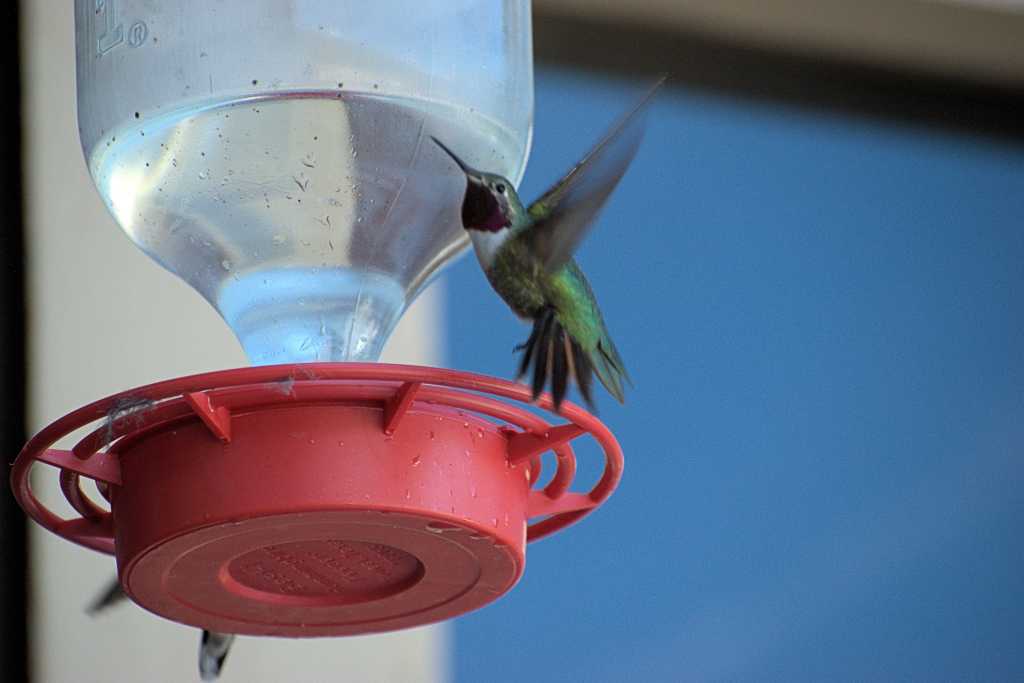
I have seen all three of these birds on the same day multiple times. Generally this has happened when I would be doing a 15 or 20 mile loop from my home depending on which loop I wanted to take. These routes would take me through forests, grasslands, creeks, lakes and reservoirs all of which are prime territory for these birds.
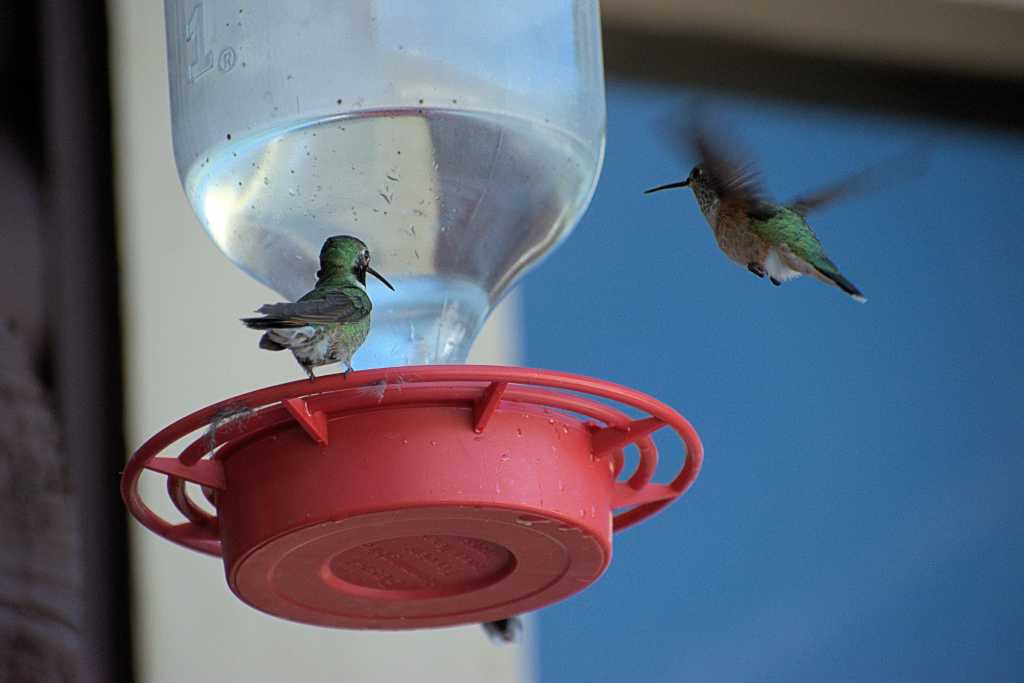
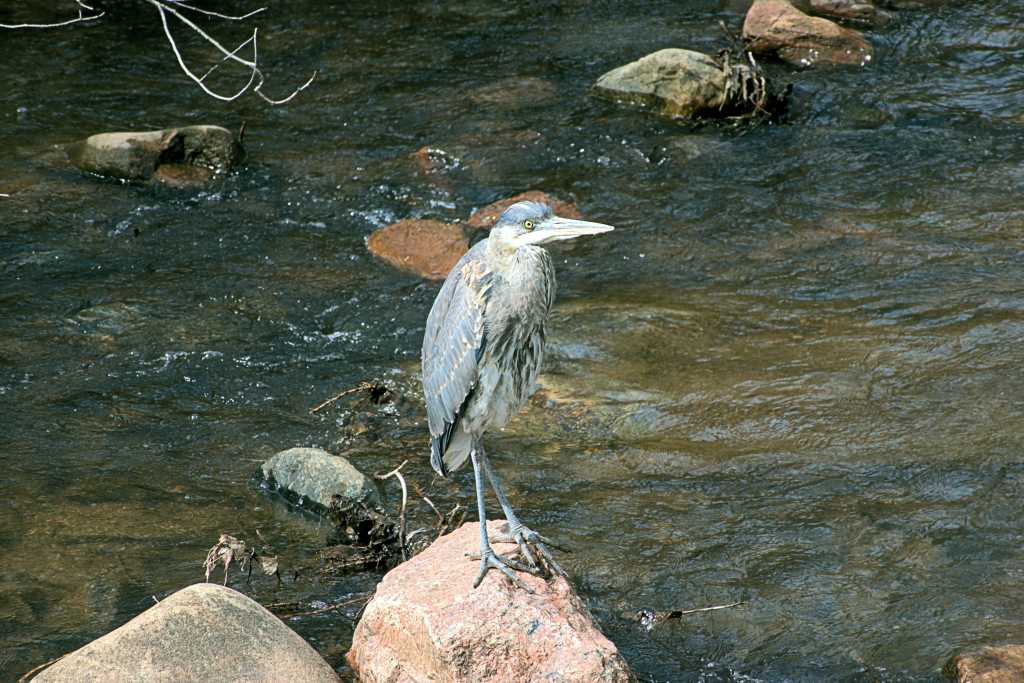
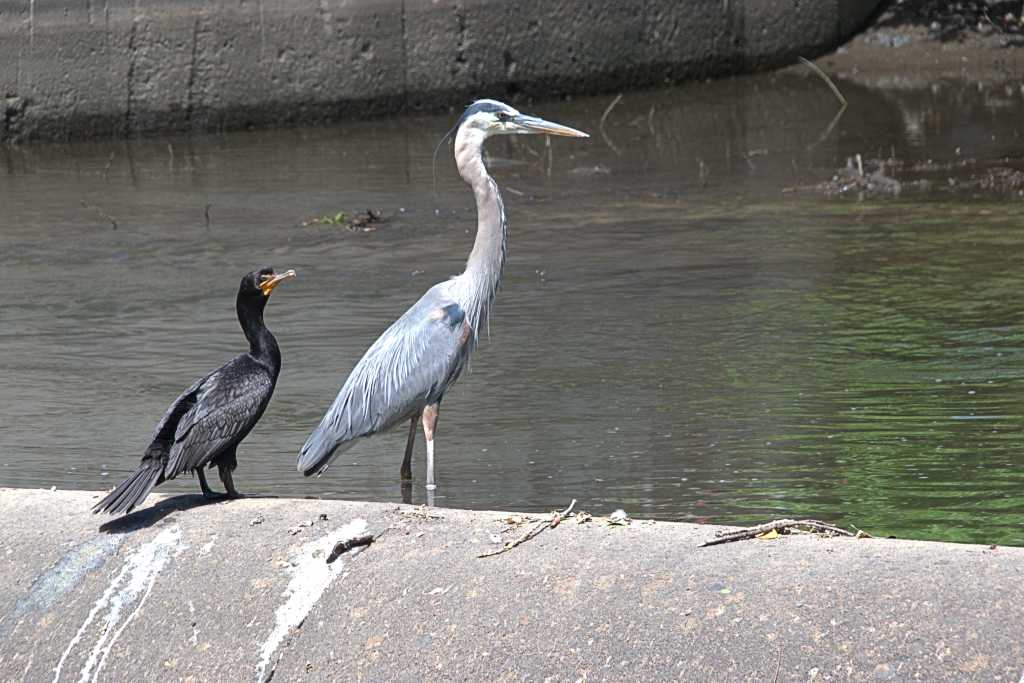
I have seen these birds for a decade how long I got to see them in any given year was strongly affected by the water supply. The creeks and streams are fed by runoff from the snow pack annually and generally will dry up by the end of July or early August. These aquatic water ways are populated with fish and amphibians that the herons will feed and moisture to the vegetation that the hummingbirds will extract nectar from. Hummingbirds are mostly Nectarivores but they will also eat bugs and spiders making them omnivores.
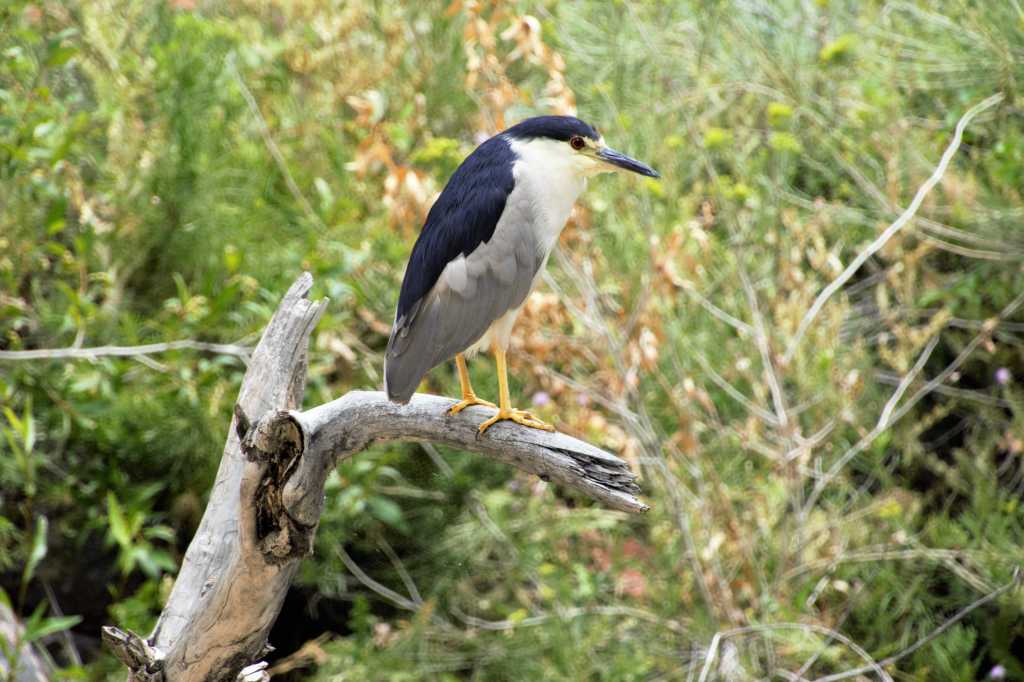
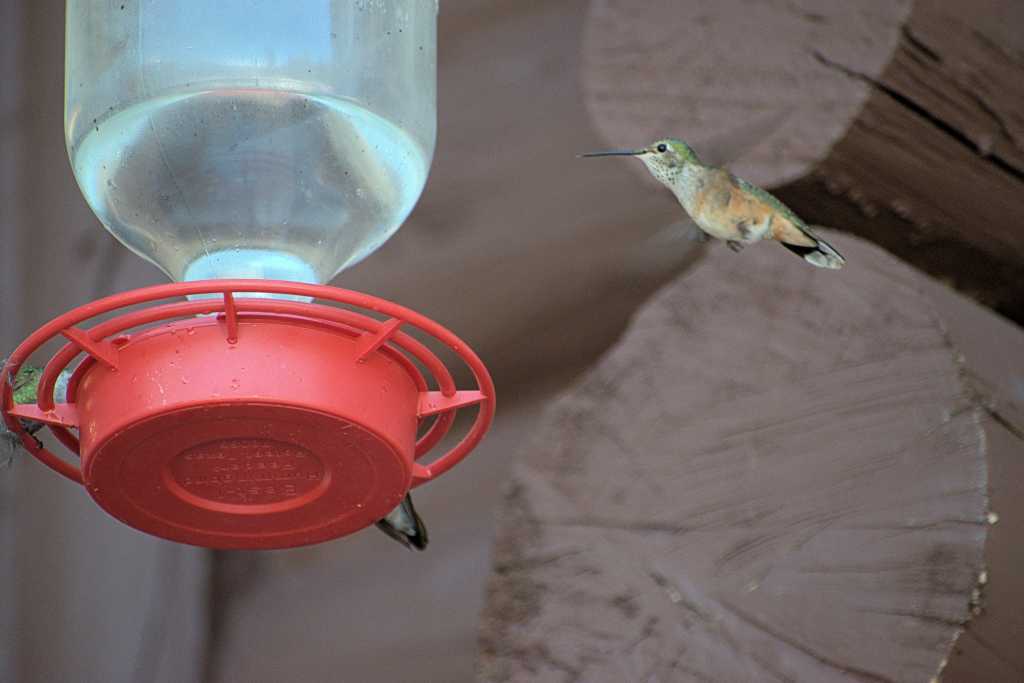
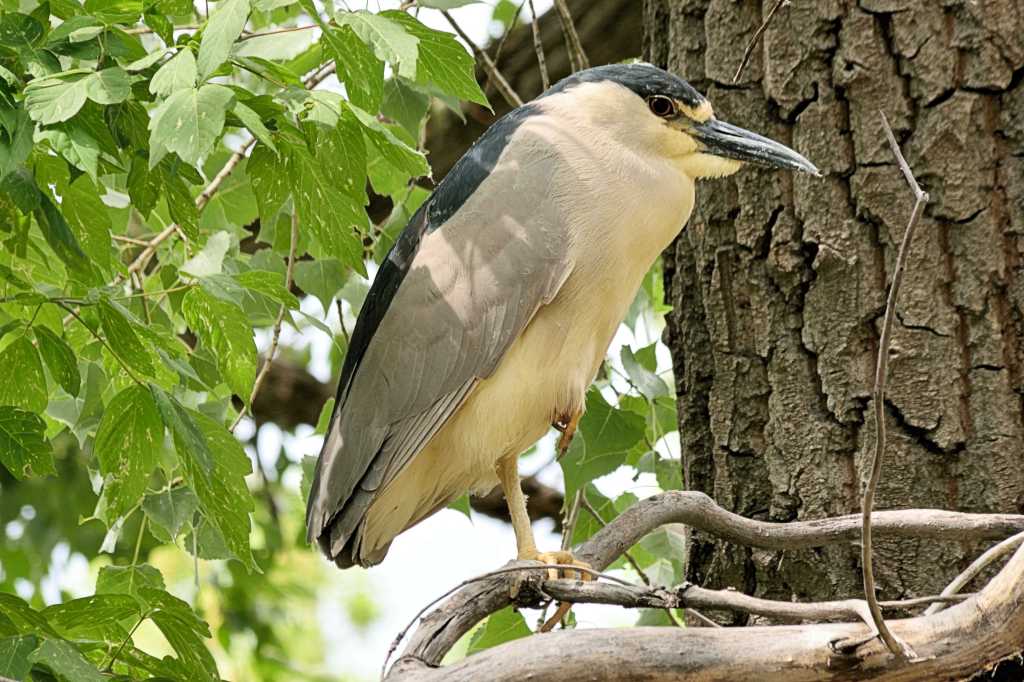
Hummingbirds play a cardinal role in the pollination of flowers while the herons help to control the amphibian, fish and rodent population. On the flip side these other birds can easily become prey especially to raptors. Mother Nature has adapted these birds to thrive in their habitat but she also has to ensure that a balance is maintained to perpetuate future generations. For the immediate future the outlook looks bright.