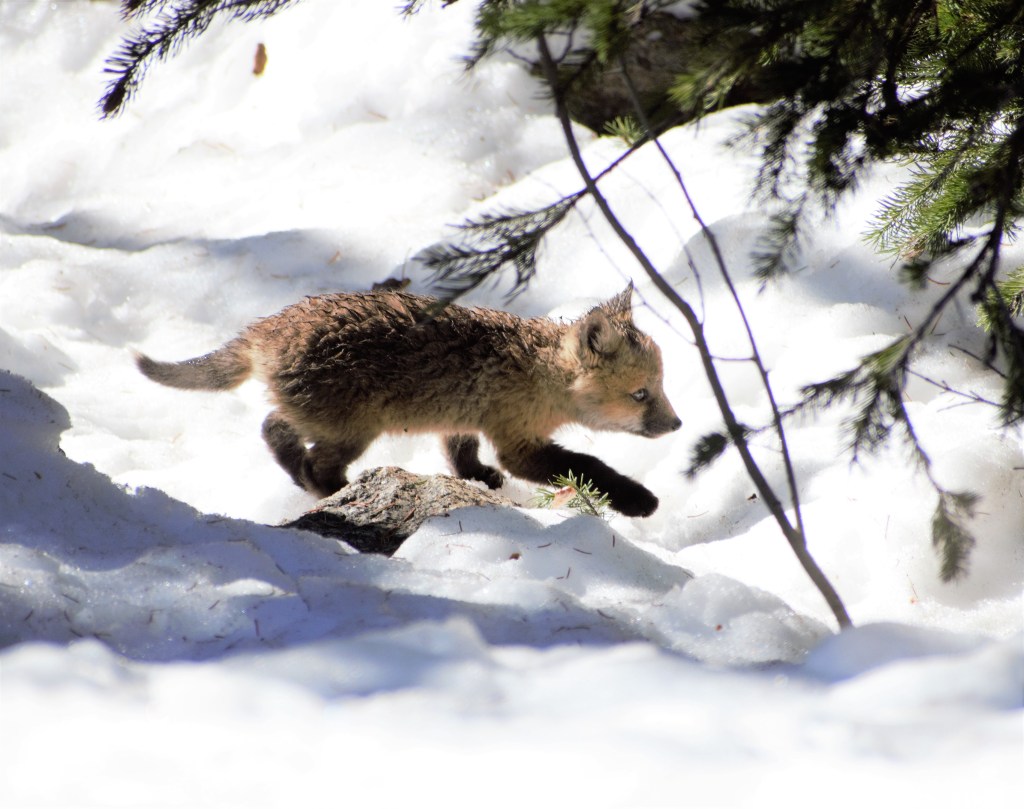
Canines also referred to as canids and are part of the dog family.
Fox, wolves, jackals, and domesticated dogs are all part of the group. They have slender but powerful long legs, fluffy tails, long snouts, and ears designed for listening. The smallest canid is the fennec fox and grows to about three pounds the largest is the gray wolf which can get as large as 175 pounds. Canids are opportunistic omnivores that will eat whatever they can. Larger canids, like wolves will hunt in packs and are carnivores. Your dog as you are aware are omnivores, they most likely will eat any food that you might leave out, many holiday meals have been ruined by a hungry dog left to their devices.
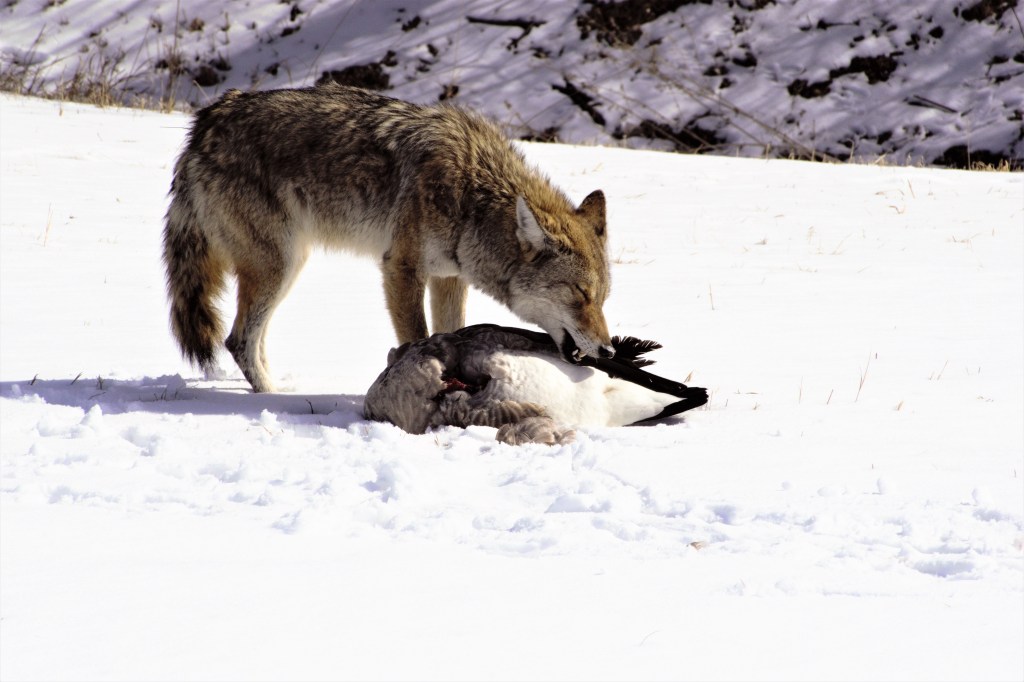
A Meal of Opportunity 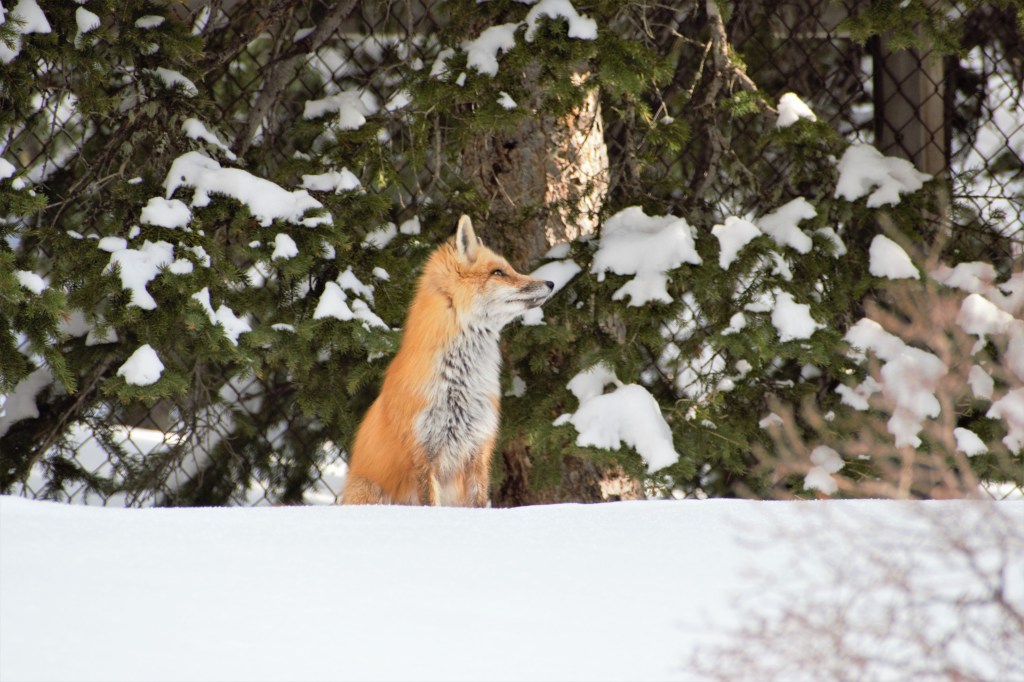
Red Fox at Echo Lake 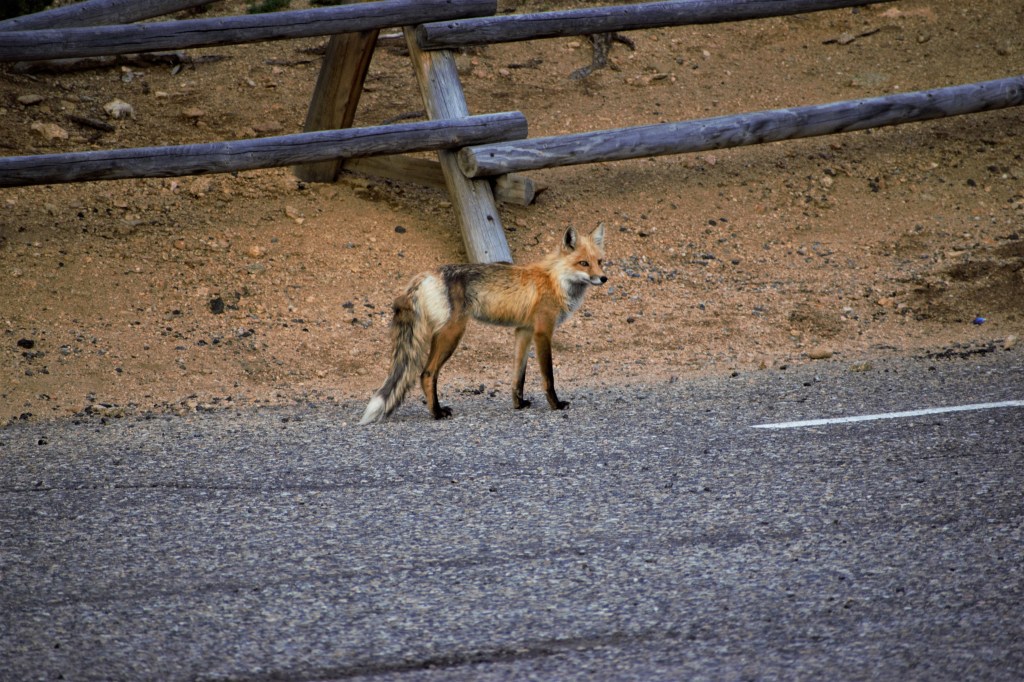
Red Fox Hunting on side of Road 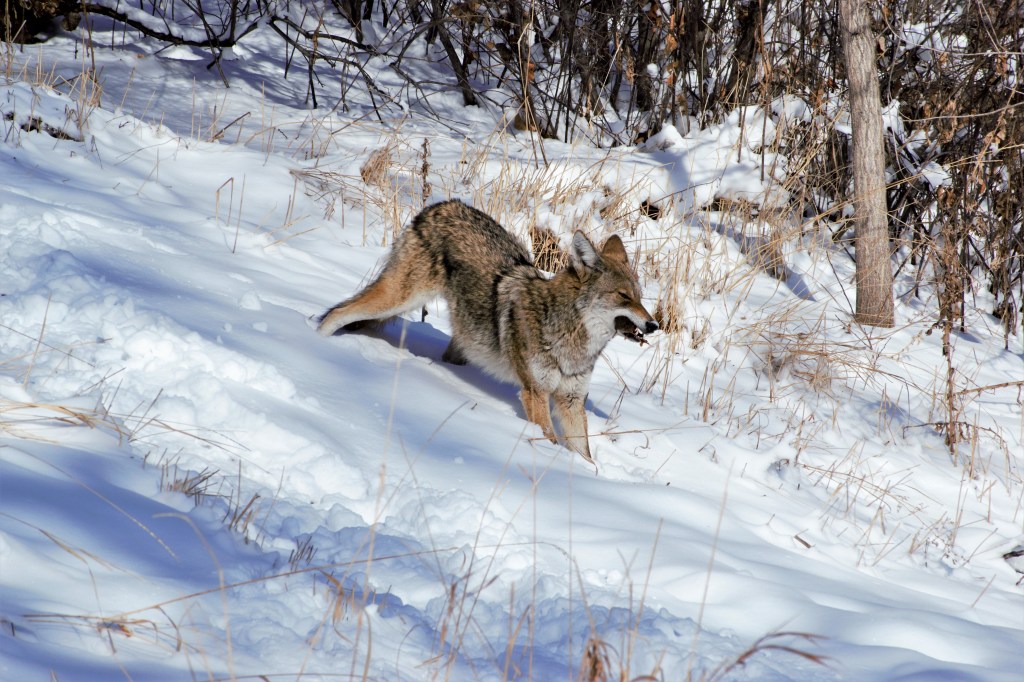
Coyote with Prey
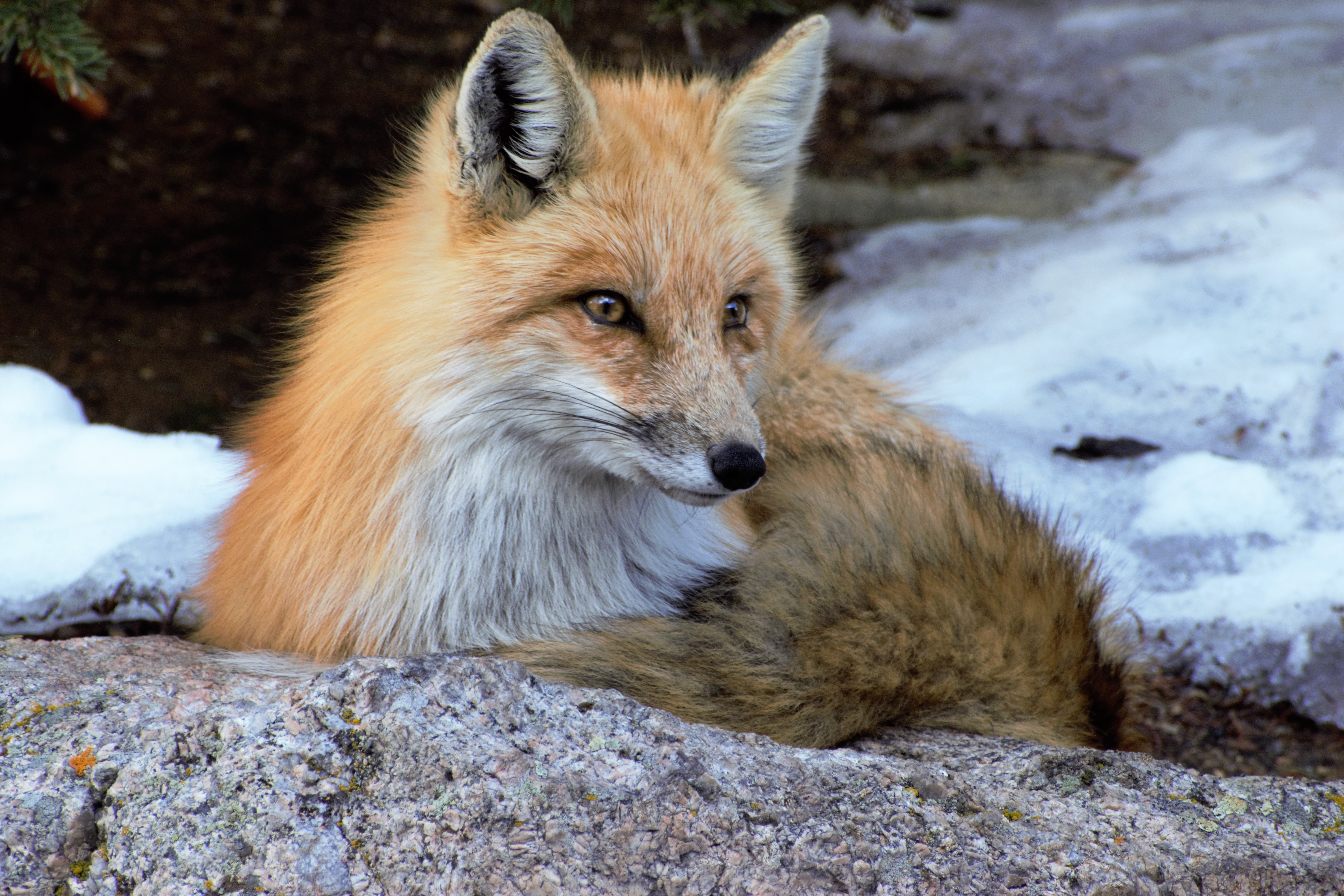
Red Fox
The canines that I have seen while on WaltAbout are coyote and fox. Generally these two canines do not travel in packs but I have on occasion seen them do so. Phenology once again helped me find them as they consistently followed their patterns of following the food, thermoregulation, and reproduction. Both of these critters are highly communicative and can bark, howl and yip. Baby foxes are called Kits and baby coyotes are called Pups and both will start that communication as soon as they are born in their litters.
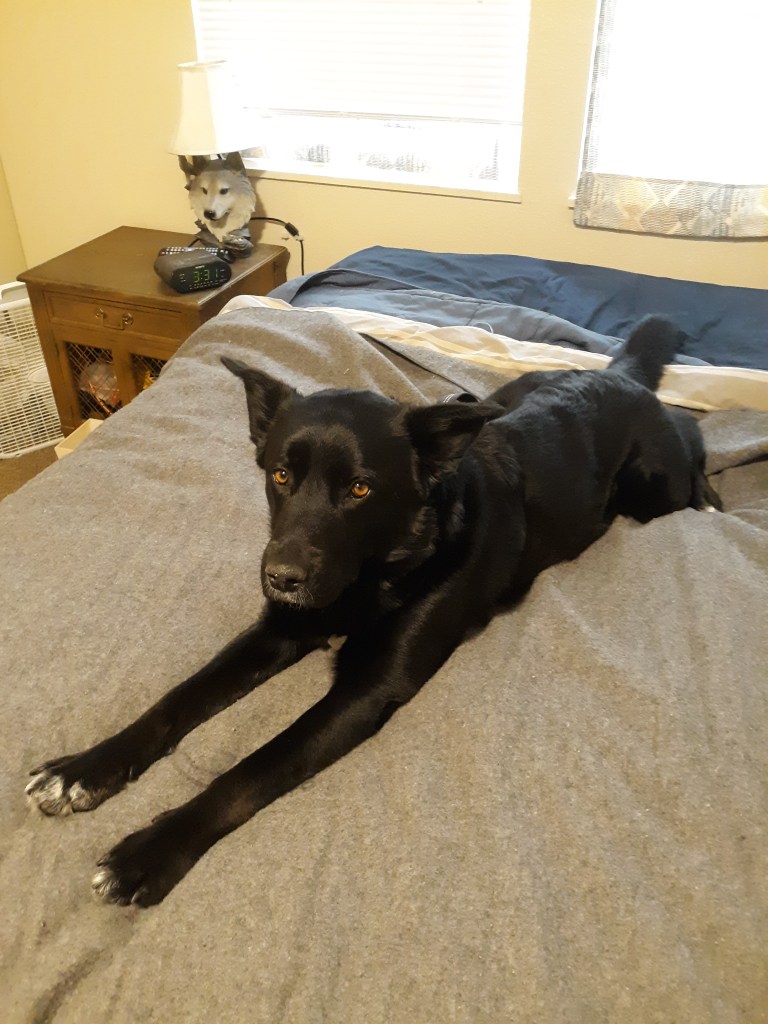
Chip on HIS Bed 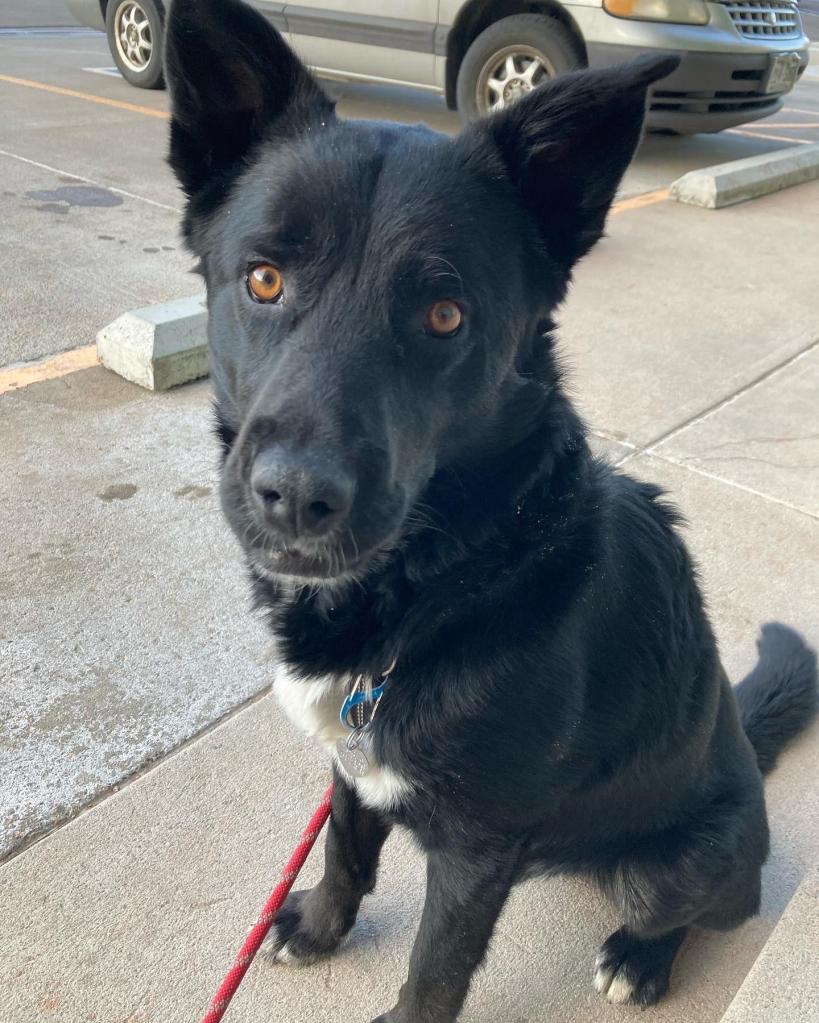
A face that only I could love 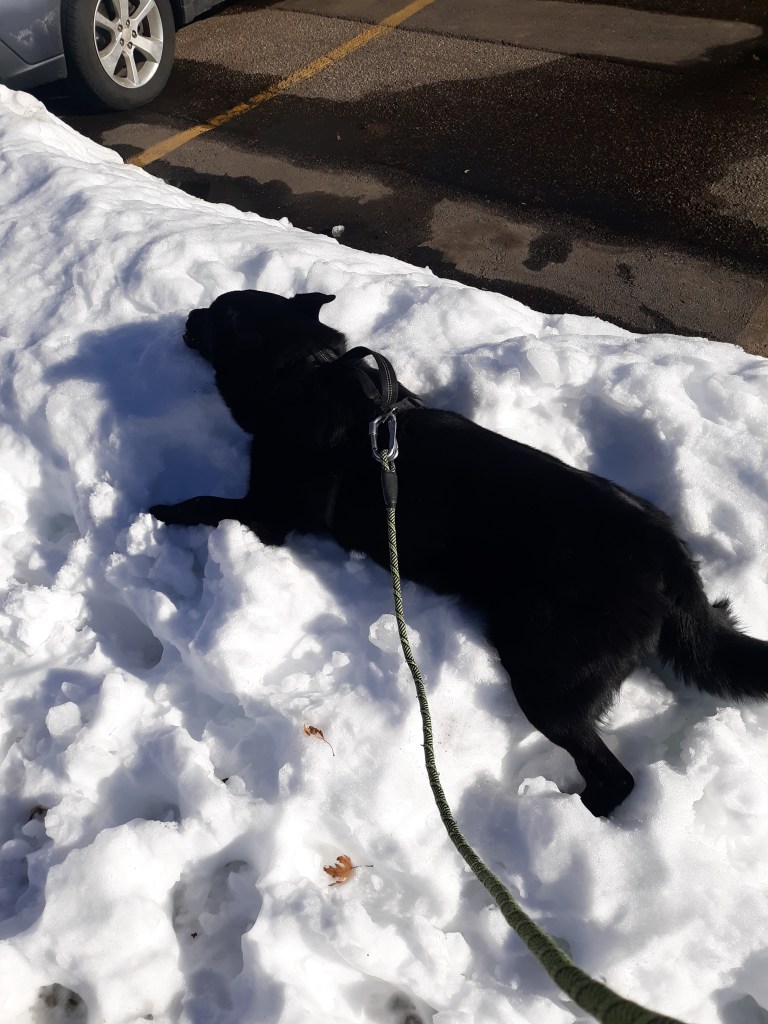
Husky to the core 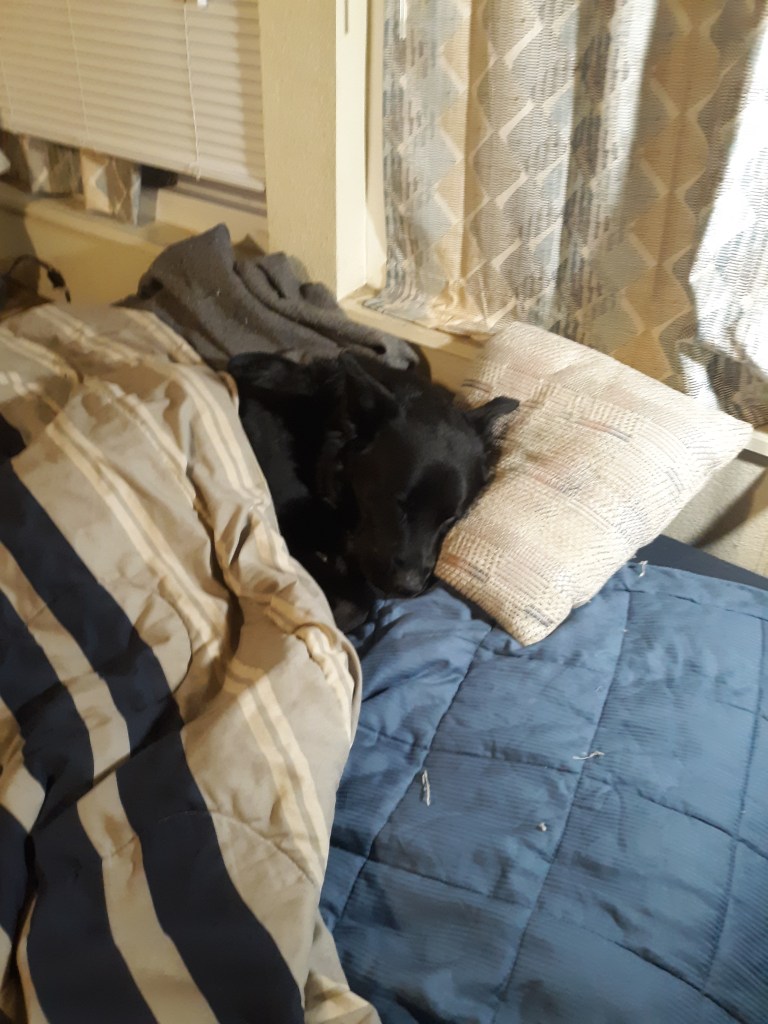
Like I said its Chip’s bed
This is my dog Chip. He has 19 breeds running around in his noggin and is a canine by every definition. One quarter Husky, he loves cold weather, snow and most especially children. When the canines made their contact with humans they had a very important role of protecting and caring for the Nomads children. They kept their people warm by sleeping with them and eventually the term Three Dog Night came about as it took about that many to keep you comfy. Chip seems to have a superpower, no matter where lays down on our bed he manages to take up 60 percent of the space.

Chip, Huckleberry and Rigs
Chip, Huckleberry and Rigs my WaltAbout Pack and best friends. Rigs(left) and Huckleberry(right) are Yellow Labrador Retrievers and weigh about 100 pounds each, Chip comes in at about 70 pounds but holds his own when they roughhouse. The packing instincts of the dogs really did come through as they socialized in the way that dogs do by sniffing, snorting, nipping and barking. I have known Huckleberry the longest and he has no problem at all jockeying the other two right away from me, ah friendship. With that being said they have demonstrated individually and as a group a protective posture when they feel that their or my space is being violated. Watching your dog or any pet is a great way to see how animals will thermoregulate. These three boys use a lot of different behaviors to control their body temperature. Panting, snow angels, grass baths and some times just standing out in 6 degrees in a 5 mile an hour wind (not my favorite for sure). The lab’s love water and Chip hates it so one size certainly does not fit all when it comes to thermoregulation. And that expertise can be applied to wildlife watching.

2 responses to “Canines”
great pictures of your sweet Chip!!
LikeLike
Thanks!
LikeLike