Cervidae the deer family, is the group of mammals that I have seen the most frequently while on WaltAbout. This group includes mule deer, whitetail deer, elk and moose. I have been fortunate to spend many hours observing, taking photos and capturing video of them. The moose which are not native to Colorado were introduced in 1978 for the purpose of hunting. The habitat here has proven to be beneficial to them as they have flourished in the high country of the state. I have encountered moose just a hand full of times and have never been able to get any photos or video of them. One of those encounters I consider one of my most dangerous experiences! A friend of mine and I were in a covered shelter talking when a huge bull moose walked up on us. I was sitting on a ledge and my friend was looking at me when I told him not to move as the moose was right behind him. It was no farther than 2 feet from him standing in the doorway. He knew I was not kidding and did just that. We remained calm the moose snorted a few times but did not charge and went about its way. Always be aware when in the forest.
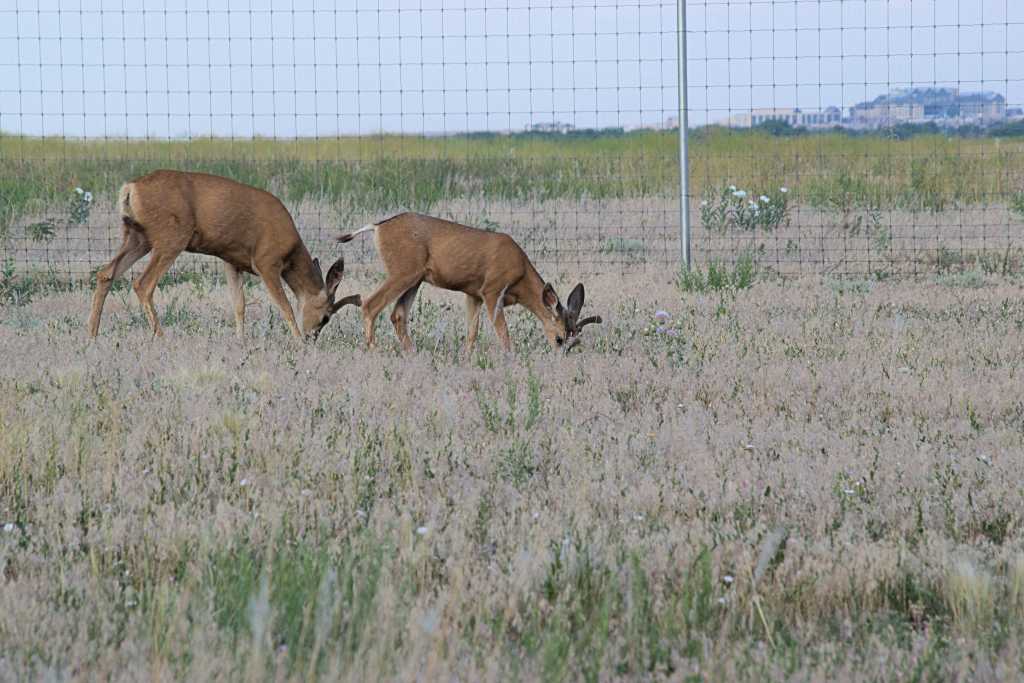
Two Whitetails Grazing At Rocky Mountain Arsemal 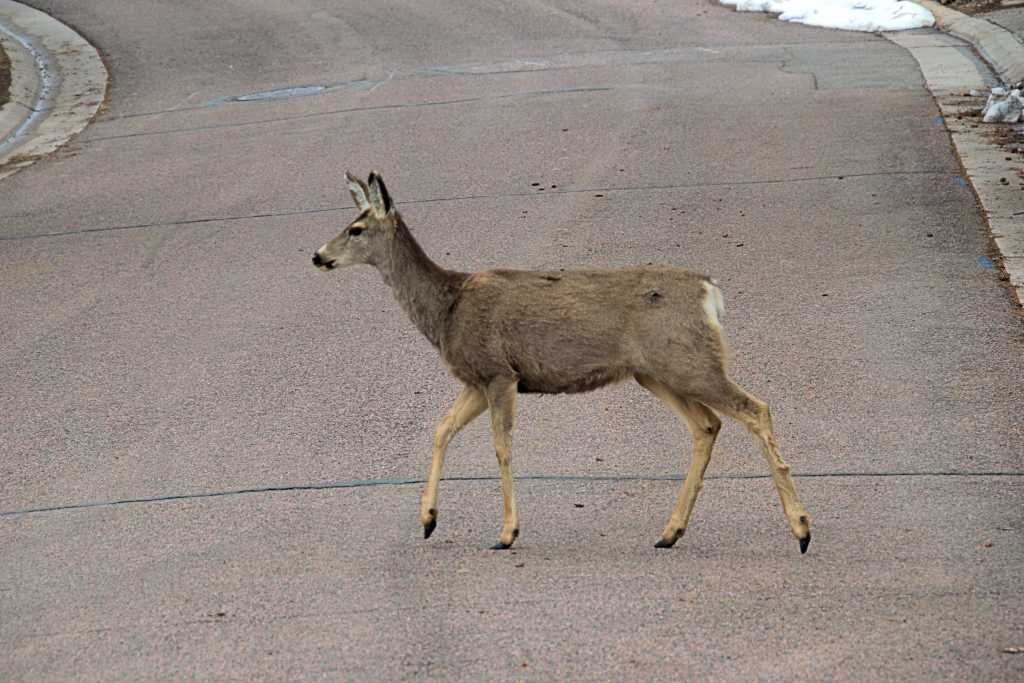
Mule Deer Crossing Road 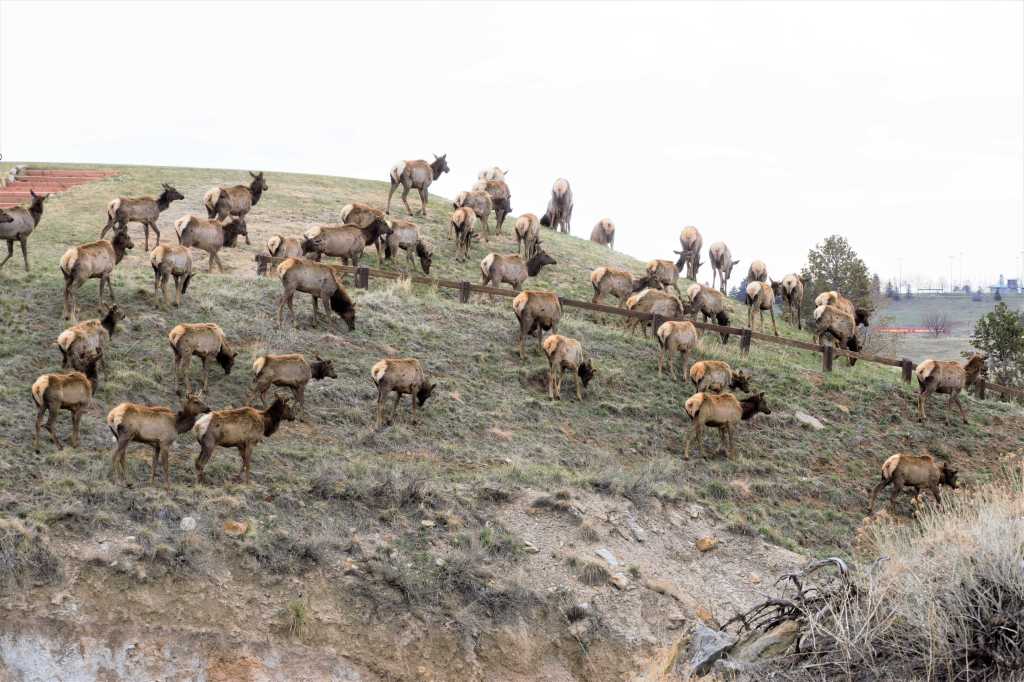
Herd on the move 
Lone Cow
Unlike their bovidae cousins where both male and female have one set of horns for life, only cervid males have deciduous antlers that they shed annually. Those racks are an indication to members of the herd of a dominate buck who will lay claim to his does and ward off younger bucks. He will protect his harem if has to by grunts and snorts, charges and locking horns if it comes down to it.
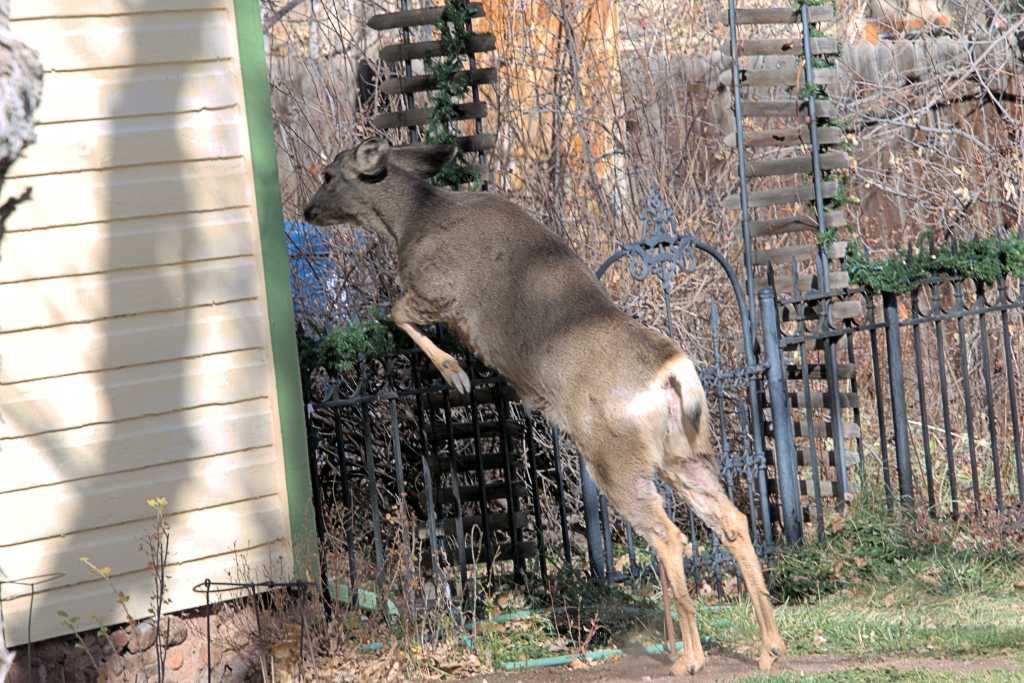
Deer Jumping House Fence 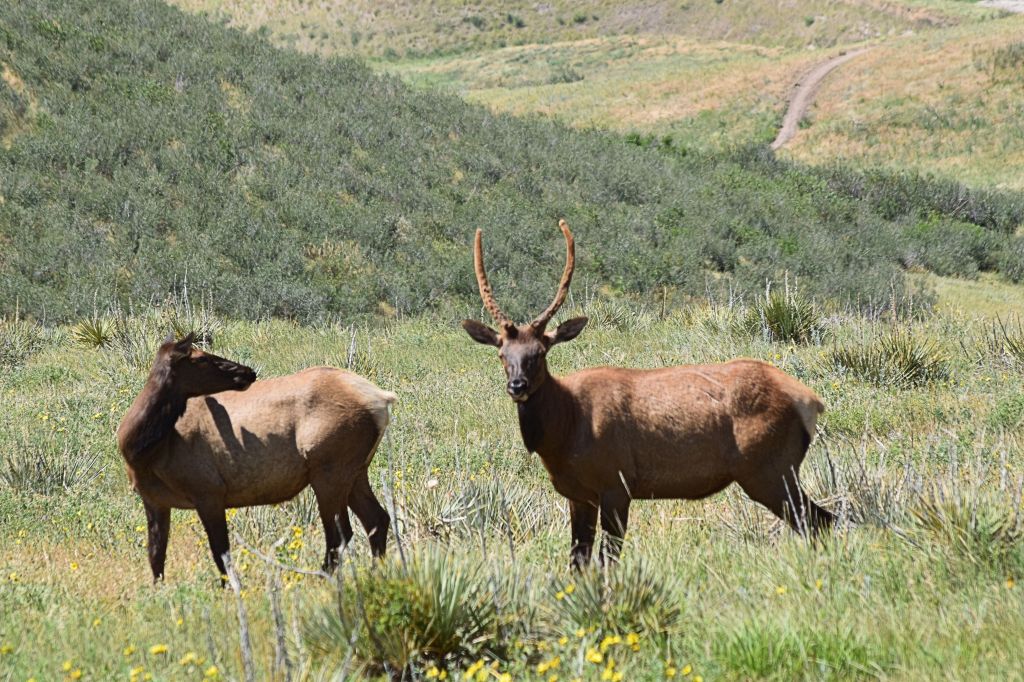
Elk Doe and Buck 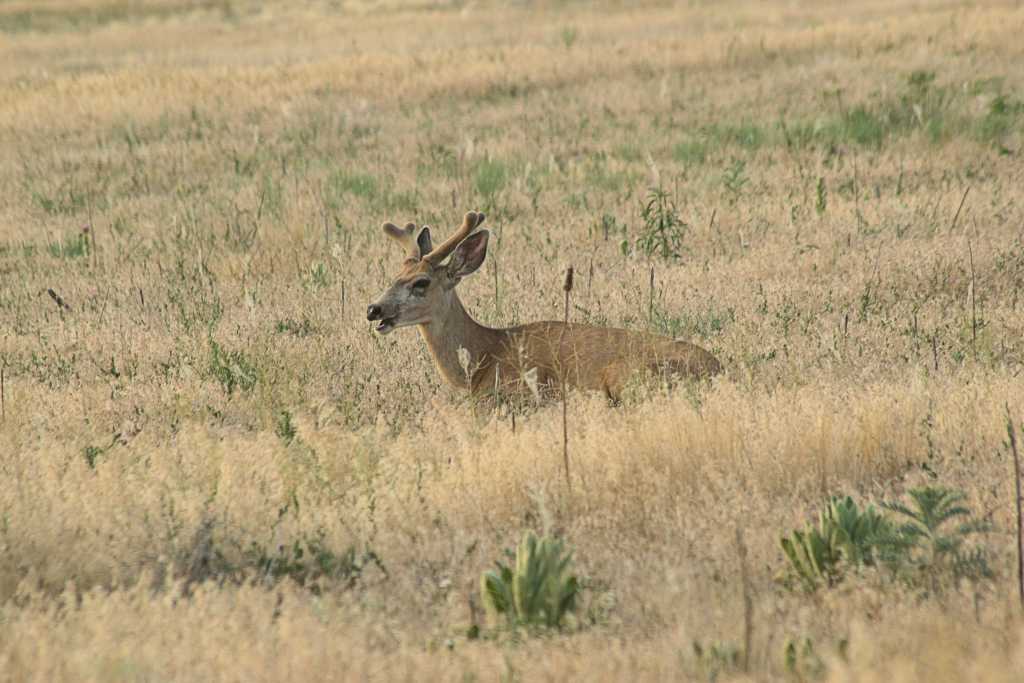
Buck Laying In Field 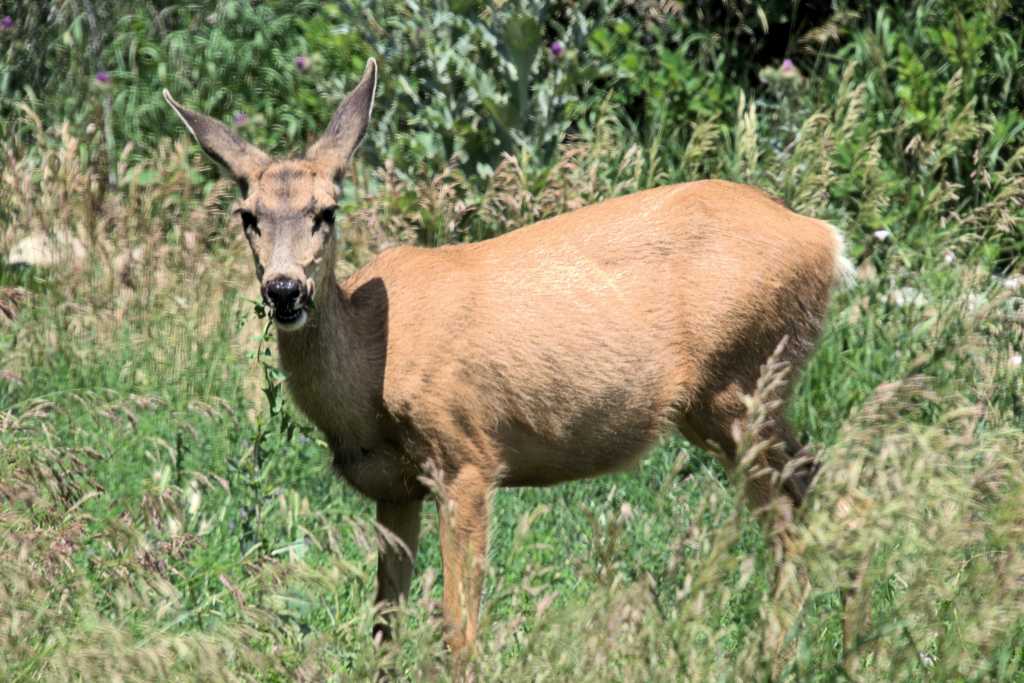
Doe Browsing In Field
Both cervidae and bovidae are members of the Artiodactyl Order and are ungulates. Ungulates are very important for the the health and well-being of the great outdoors. If they are plentiful they indicate that the environment that they are in is thriving. As they graze and move about in their territory they also transform the habitat as they sashay from one feeding ground to another trampling grasslands, shrubs and bushes. Being ruminants, cervids have the capability to ingest their food in one place and digest miles away in areas that they feel safer in. Of course after they digest they need to poop and when they do they leave seeds that were in the vegetation that they consumed and another area will flourish as they grow into new plants. Mother Nature once again maintains a balance in her kingdom!
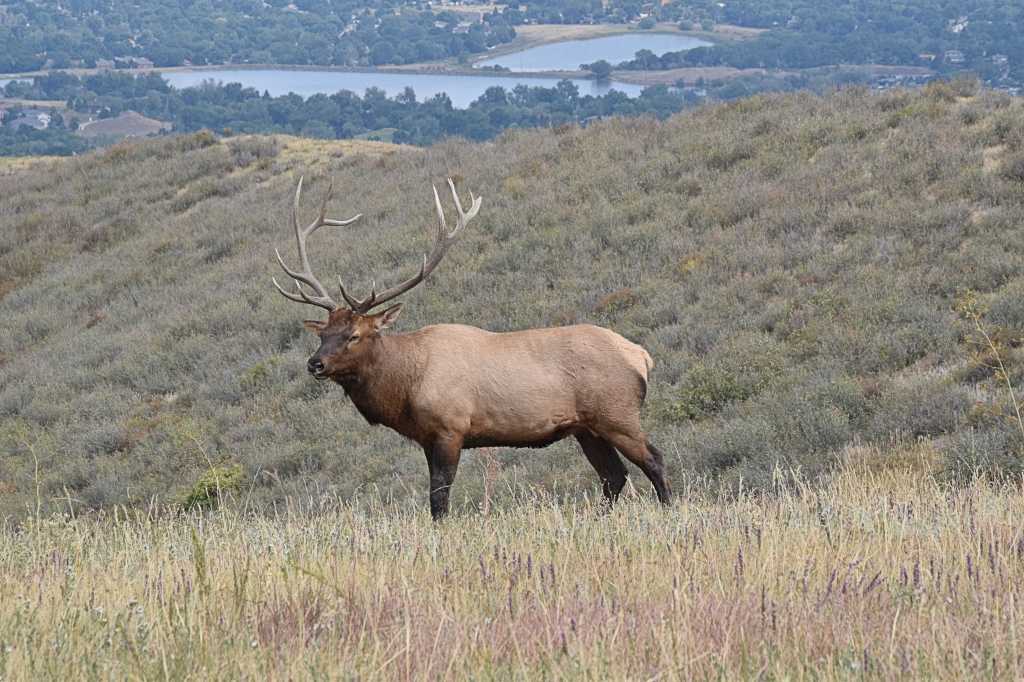
A Truly WaltAbout Moment With Hank

The photo above is of the alpha male Hank of the local herd that often can be found on Green Mountain, which is a mere three miles from my home. I have been very fortunate to see Hank and the herd many times year round as they have rambled around the mountain and the Rooney Valley while on WaltAbout.
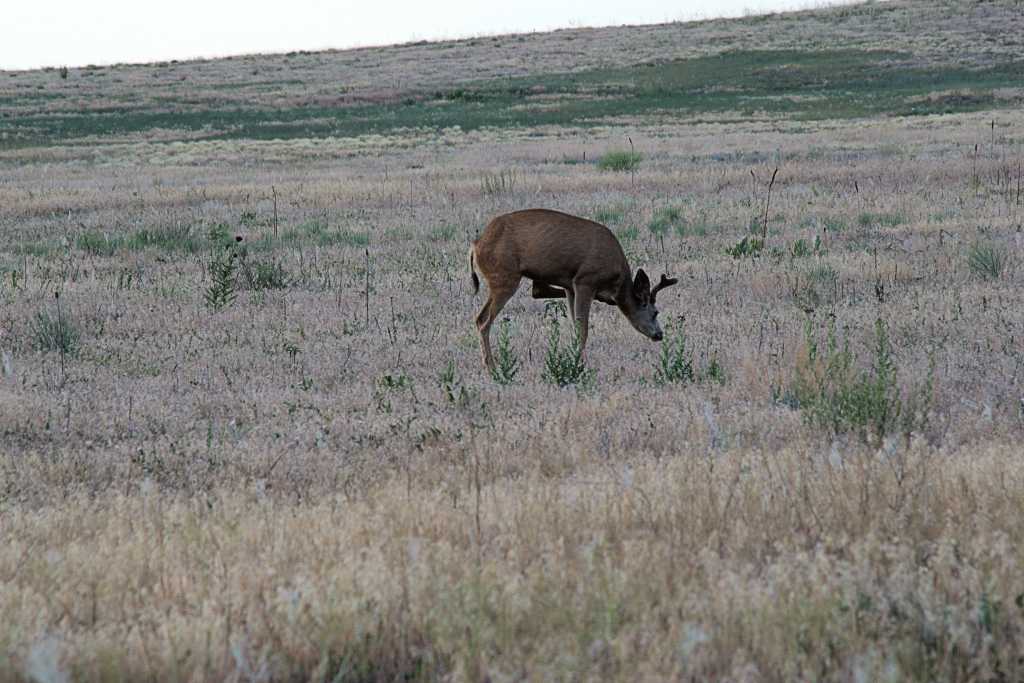
Whitetail Scratching An Itch 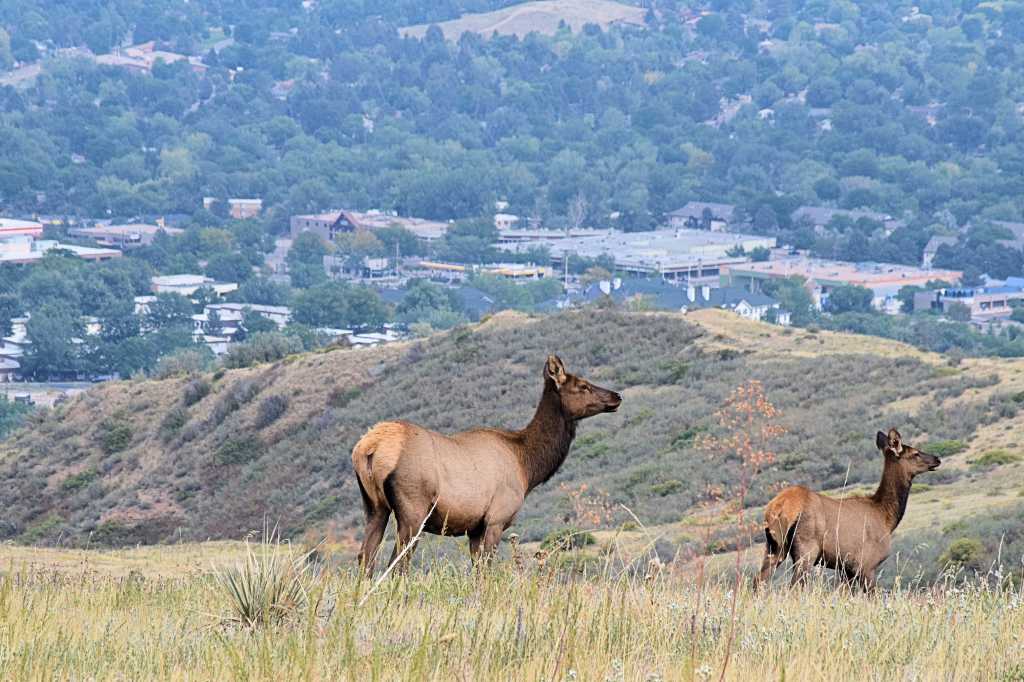
Two Elk Crossing Green Mountain 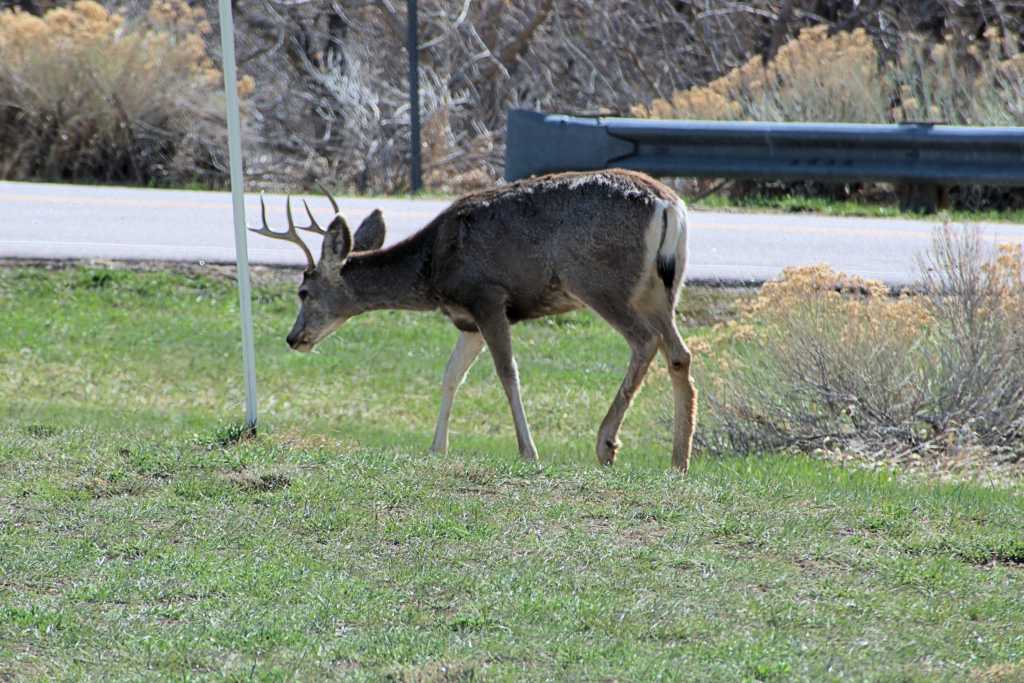
Mule Deer Grazing On Roadside. 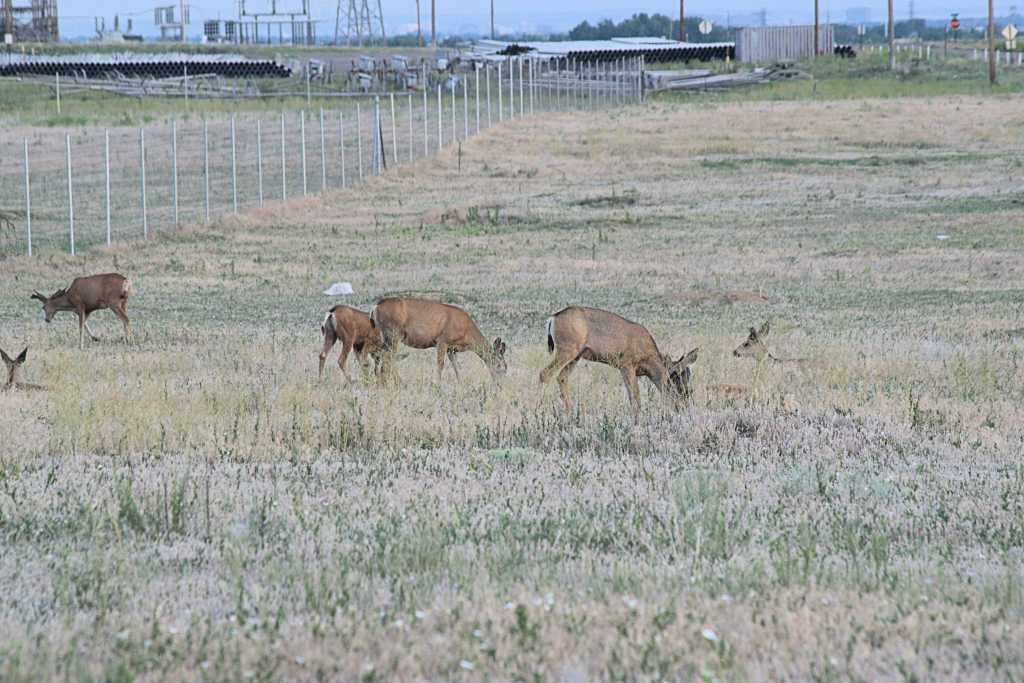
RMA Herd Grazing 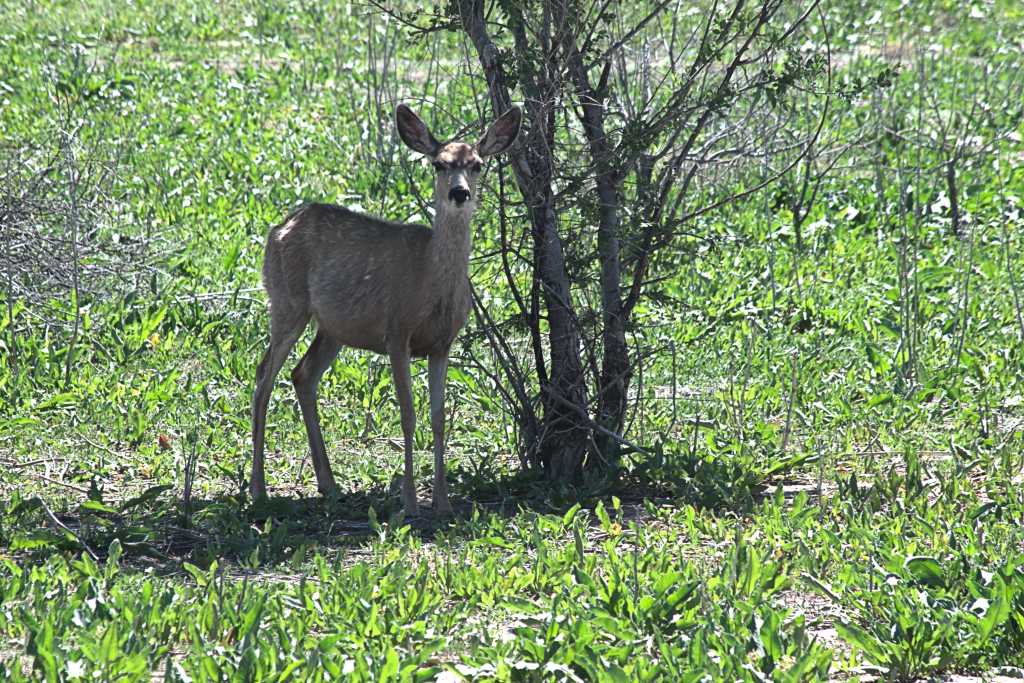
Young Doe 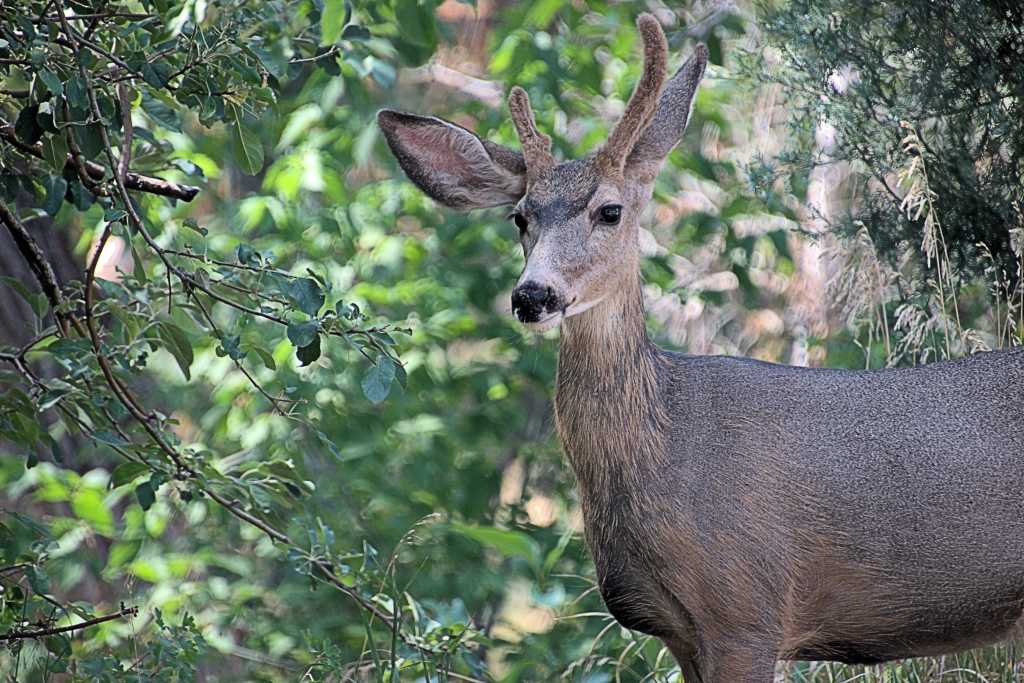
Young Mule Buck 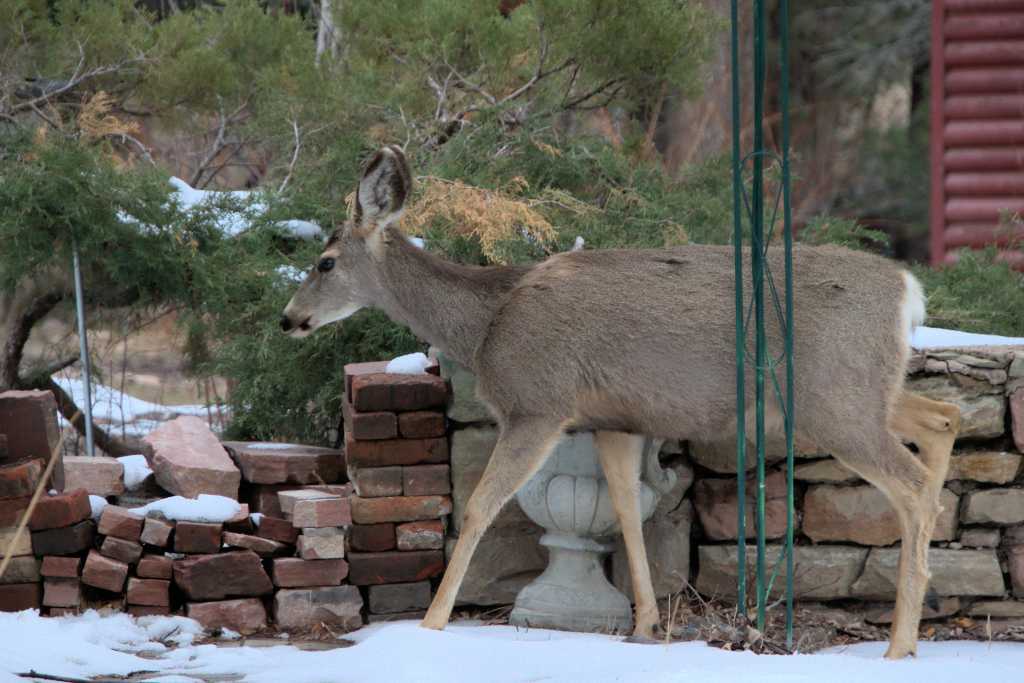
Doe Walking In Backyard 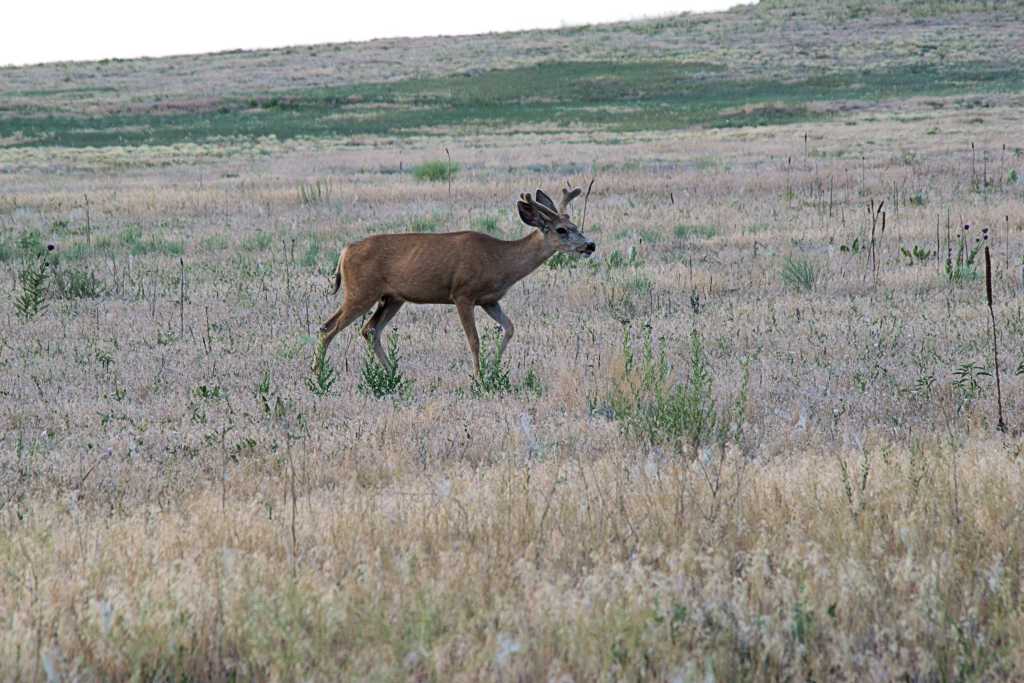
Whitetail On Trail
I have spent a lot of time with cervidae from the flatlands of Rocky Mountain Arsenal Wildlife Refuge (RMA) to the highlands of Mount Evans and they are both healthy and abundant throughout the entire region. In one year alone I biked over 6,000 miles and a big motivation was my passion to see them while on WaltAbout.
