America’s National Symbol The Bald Eagle
Every time I have seen a Bald Eagle from near or far while on WaltAbout has been a very gratifying experience. This bird has earned its recognition as America’s symbol and spirit. These birds of prey are not bald at all but have a white feathered head. After America gained its independence it needed to colonize the nation. Many of those colonizers were from England and brought a lot of their old English words with them including balde which did not mean hairless but white. At that time eagles were plentiful and the colonizers used that term to describe the mighty birds. Eventually the “E” was dropped and the etymology of the name of the bald eagle was complete. Bald eagles are indigenous to North America and can be found from Northern Mexico, America including Alaska and most of Canada. Some migrate and others make a permanent residence. These eagles that mate for life are excellent parents that share the duties of incubating, feeding and nurturing their eaglets. They also build some of the biggest nests in nature.

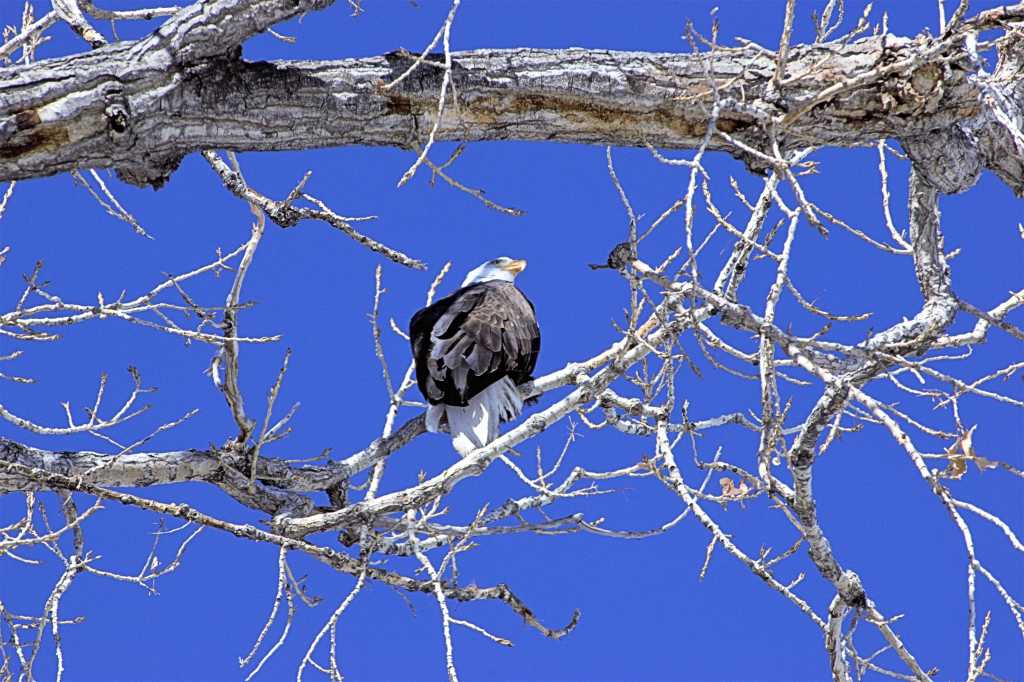
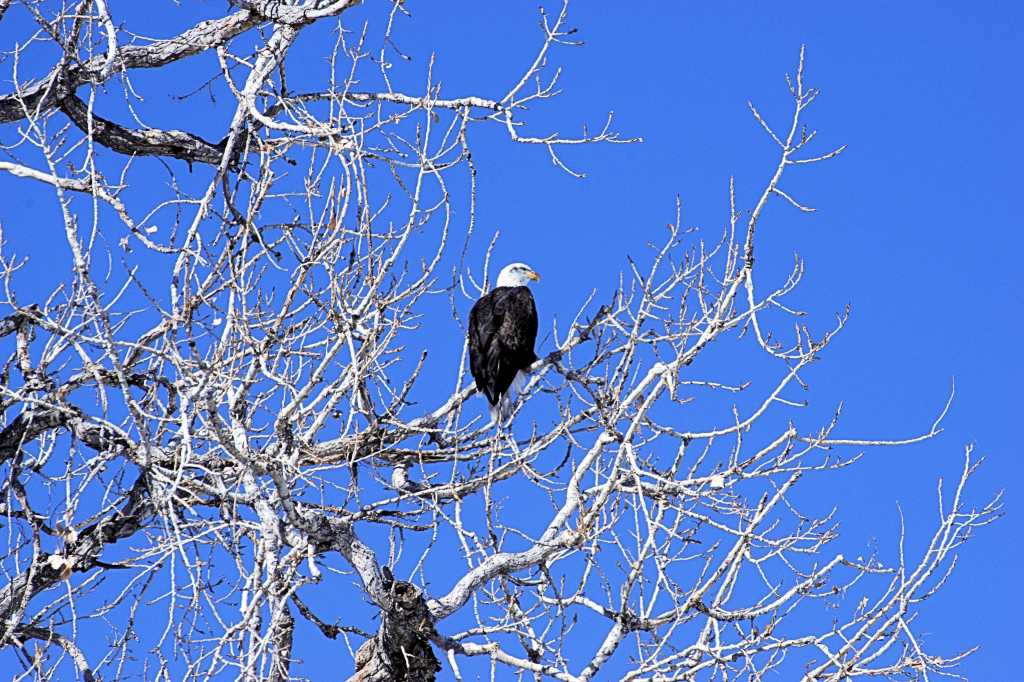
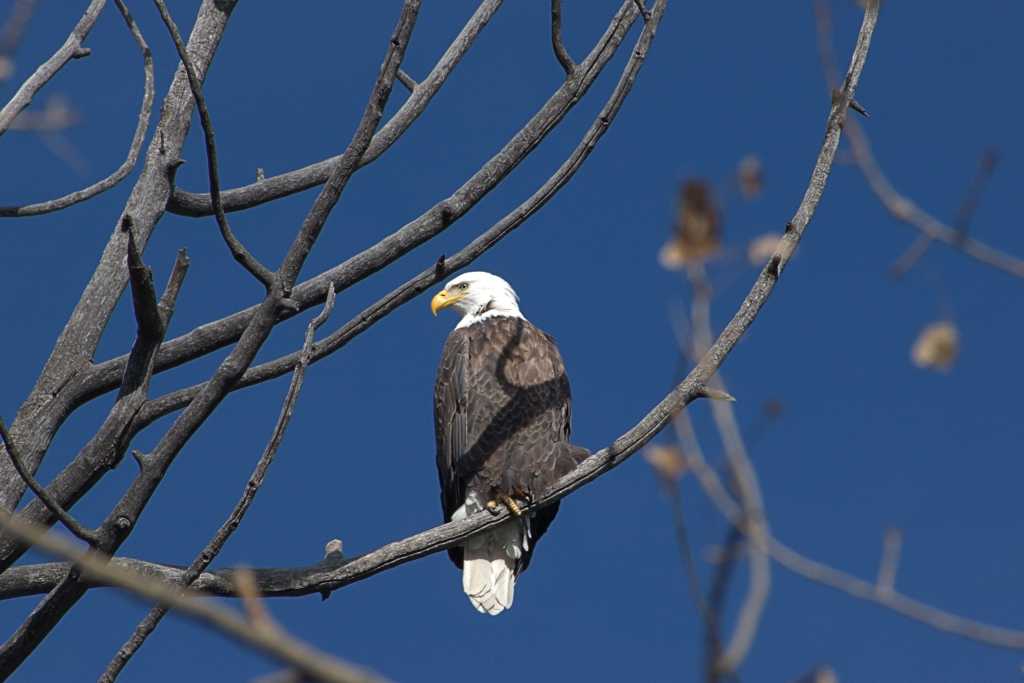
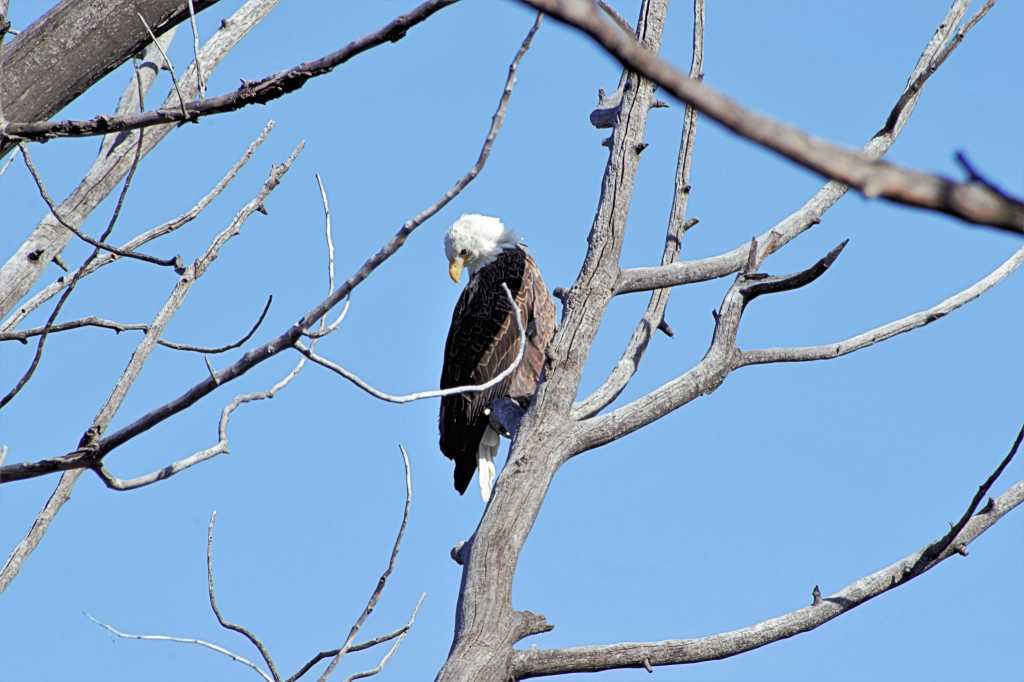
The bald eagles have a broad beak that is made of keratin as are human fingernails. They sharpen them constantly like the rodents who do the same thing with their incisor teeth. Eagles have extremely strong talons that are 20 times more powerful than a firm grip of man and could crush your finger. Female eagles are much larger than males with a wingspan of about eight feet and a body length of about 43 inches. Male eagles have a wingspan of about six and a half feet and a body length of about 36 inches. This size disparity is common among raptors and is known as Reverse sexual dimorphism.
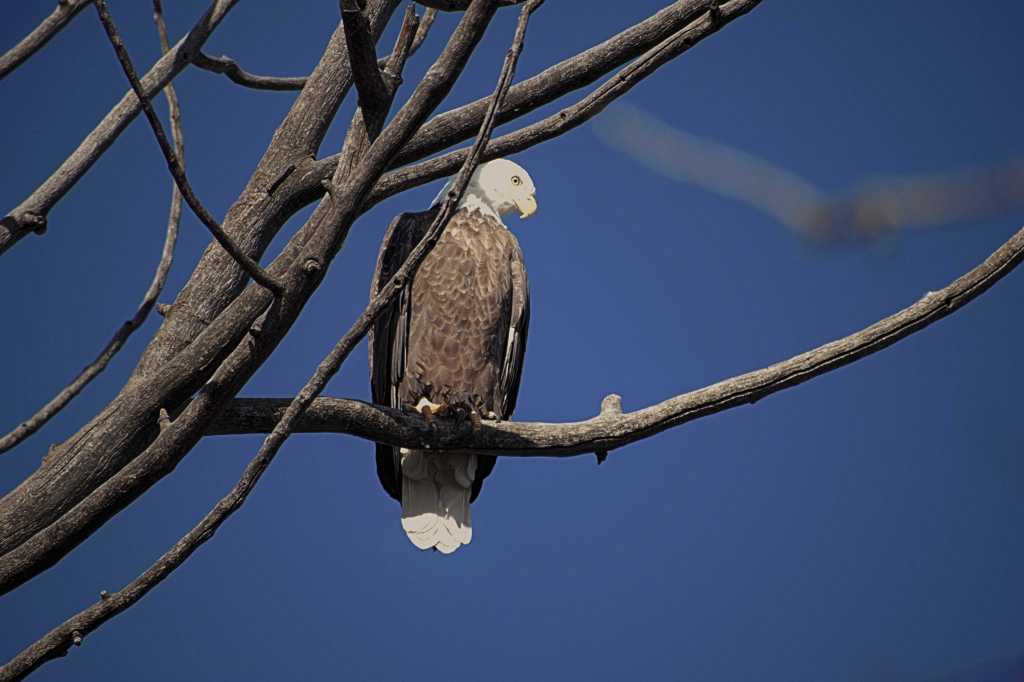
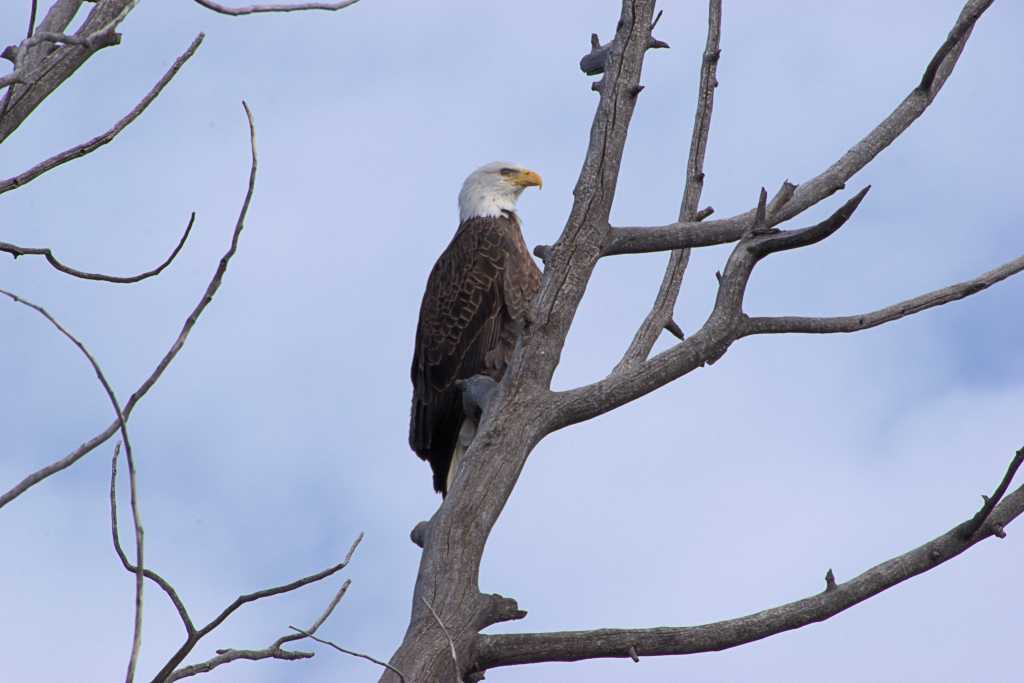
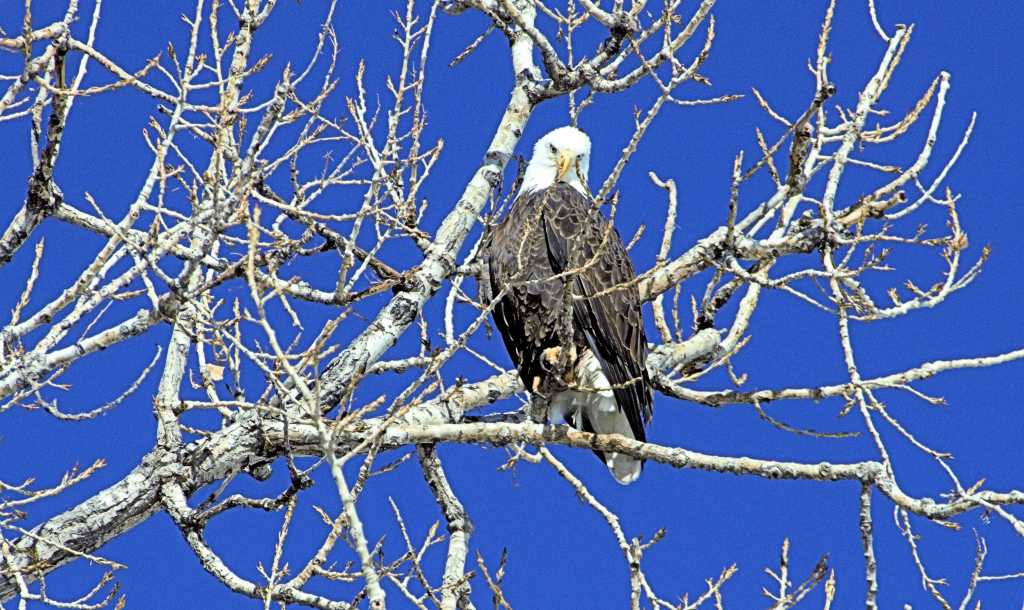
Bald eagles have showed their resilience a number of times since the old world came to the new world. Being the opportunistic birds of prey that they are, they came into conflict with the farmers when livestock was put on the menu. They were shot to protect the live stock. Many more settlers would continue to come and push the eagle out of its habitat and nesting spots. This would not change until The Migratory Bird Treaty Act (MBTA) of 1918 was signed by America and Canada, protecting the raptors for the first time.
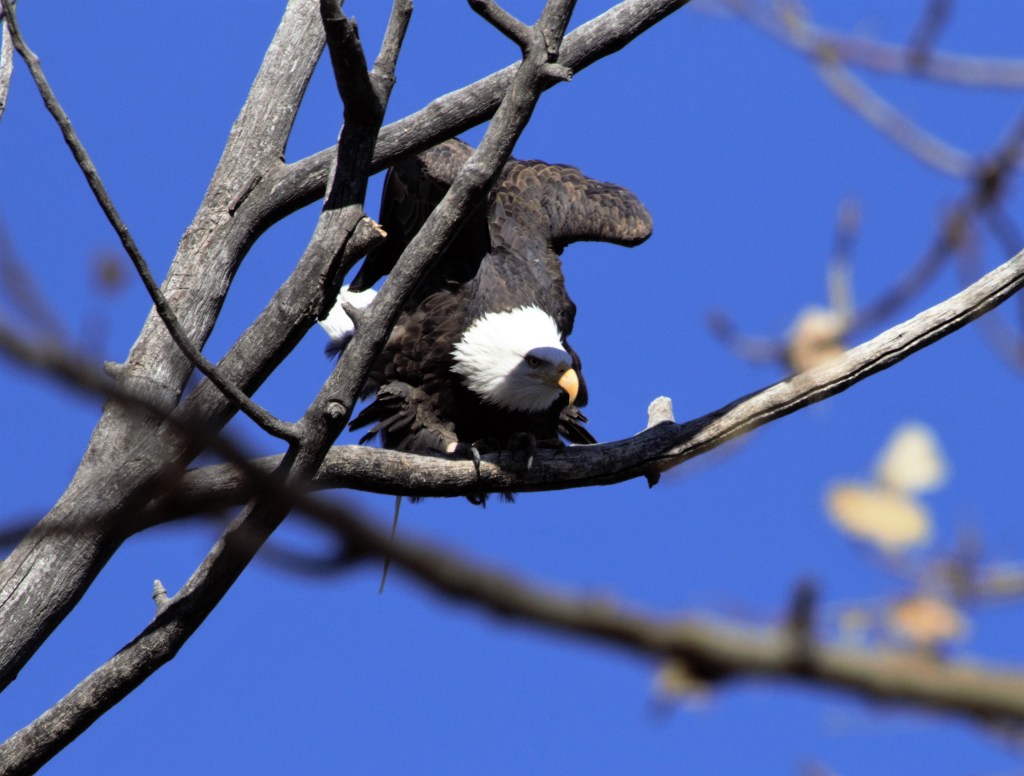
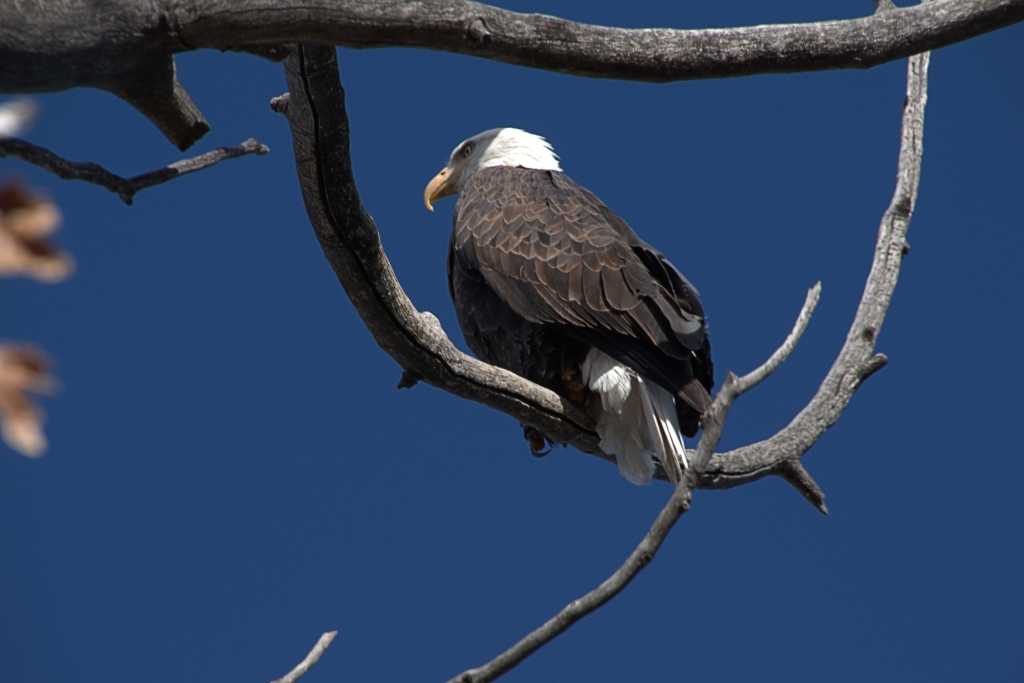
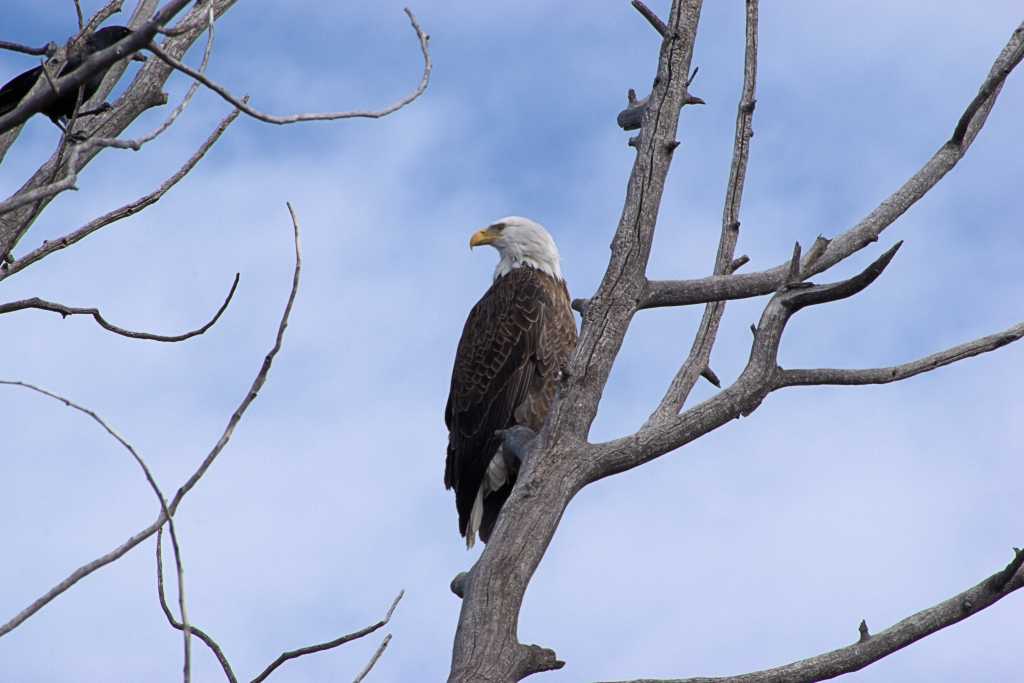
The MBTA although a step in the right direction did little to change the downward trend of of the bald eagles however. In 1940, seeing that the bald eagle was threatened with extinction, Congress passed the Bald Eagle Protection Act, which prohibited killing, selling or possessing the birds. Golden eagles were eventually added to the legislation and was renamed the Bald and Golden Eagle Protection Act. The eagles began to make a comeback but faced an even larger threat after World War II. The pesticide DDT. DDT was widely used to eradicate mosquitoes and other insects and was very effective into the 1960s for that purpose. However it nearly wiped out the bald eagle! DDT leached into the waterways where marine prey got contaminated with it which eventually the birds would eat. The pesticide caused the eagles eggs to have weak shells that broke easily. Their numbers decreased to just over 400 nesting pairs in 1963. The bald eagle was placed on the endangered species list. By 1972 DDT and other pesticides were banned! The bald eagle made a remarkable recovery as there are over 300,000 just in the continental US today.
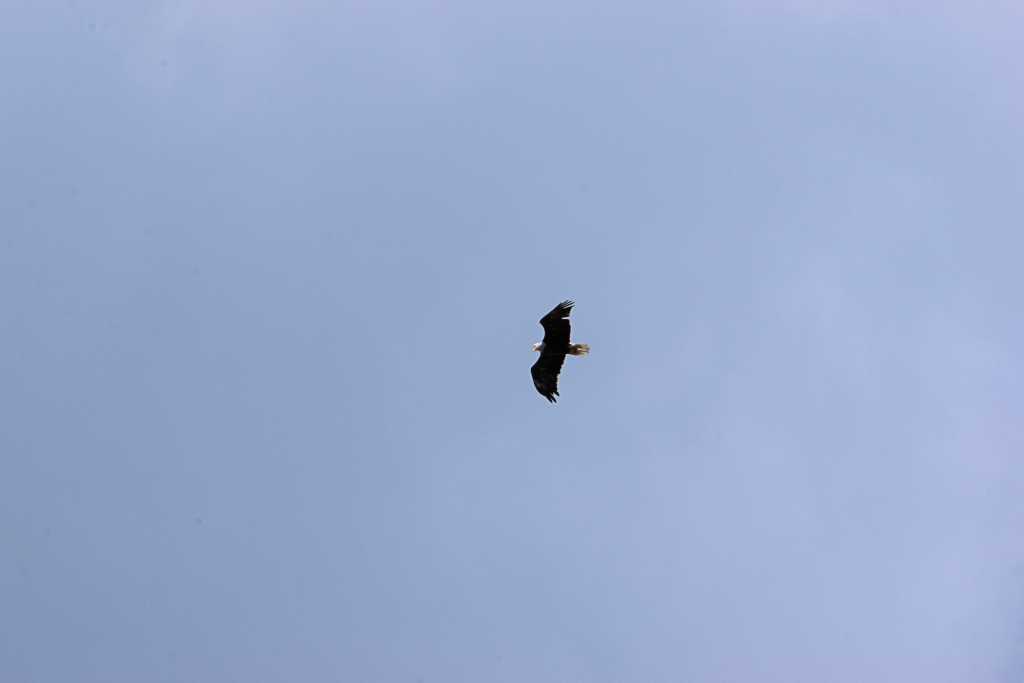
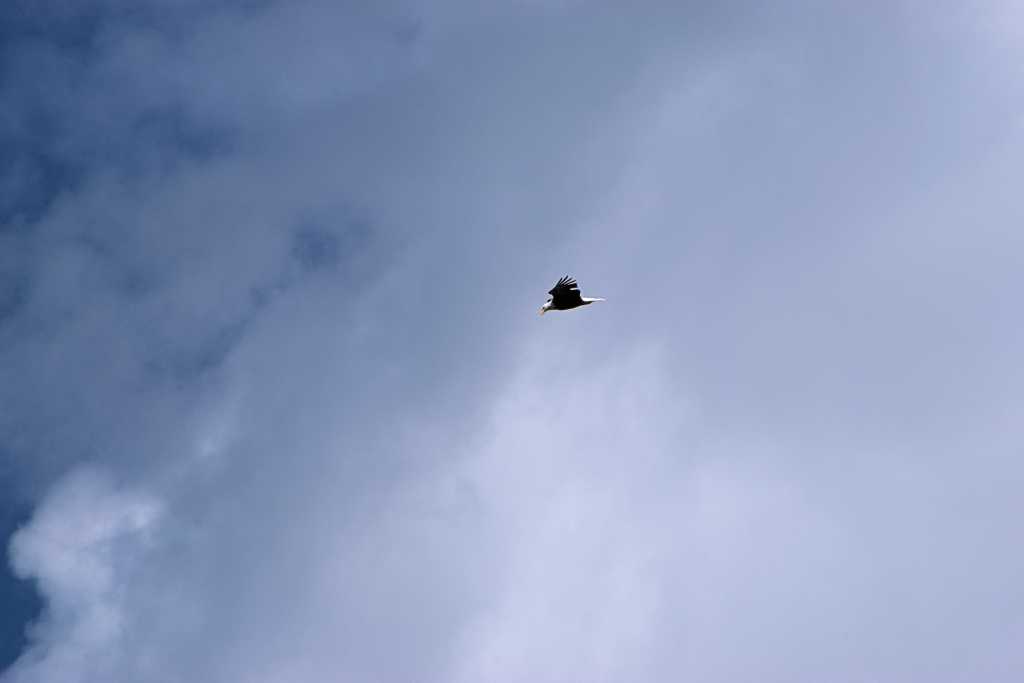
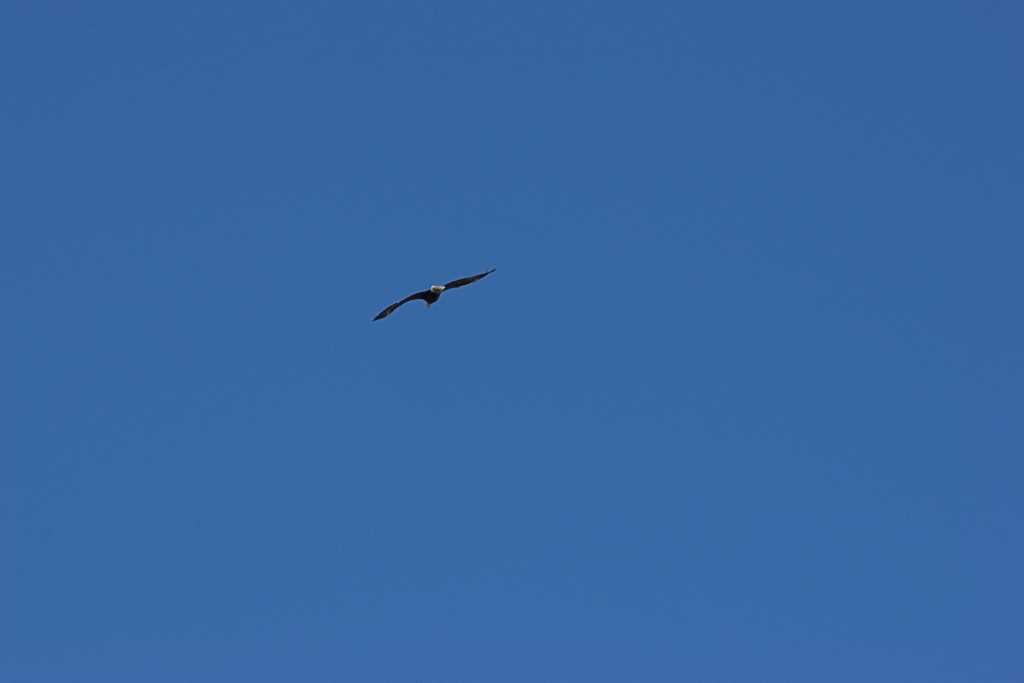

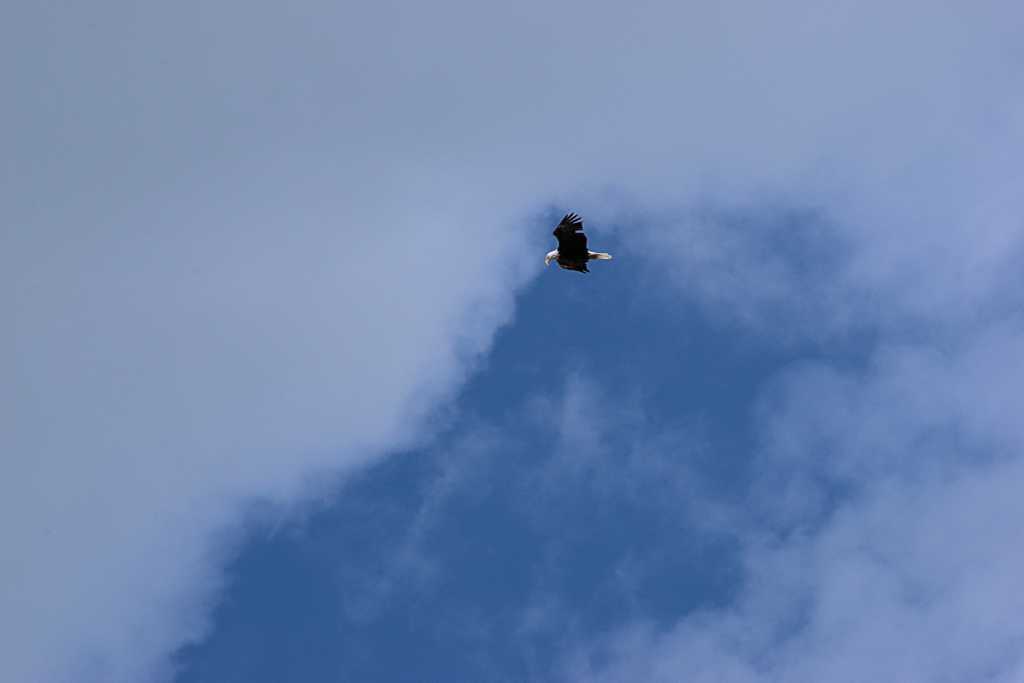
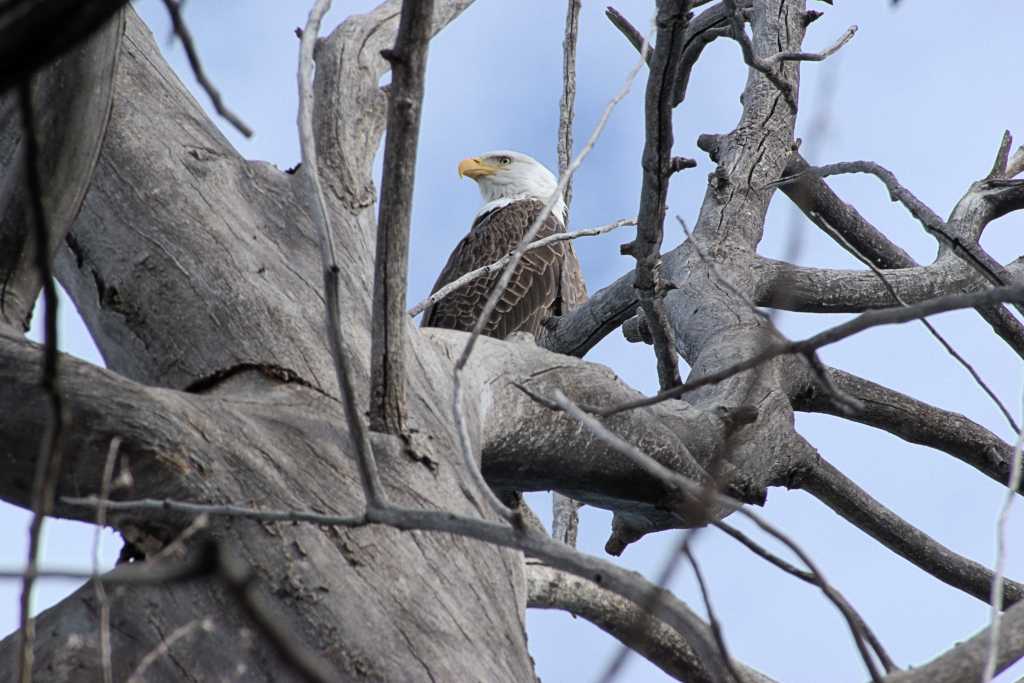
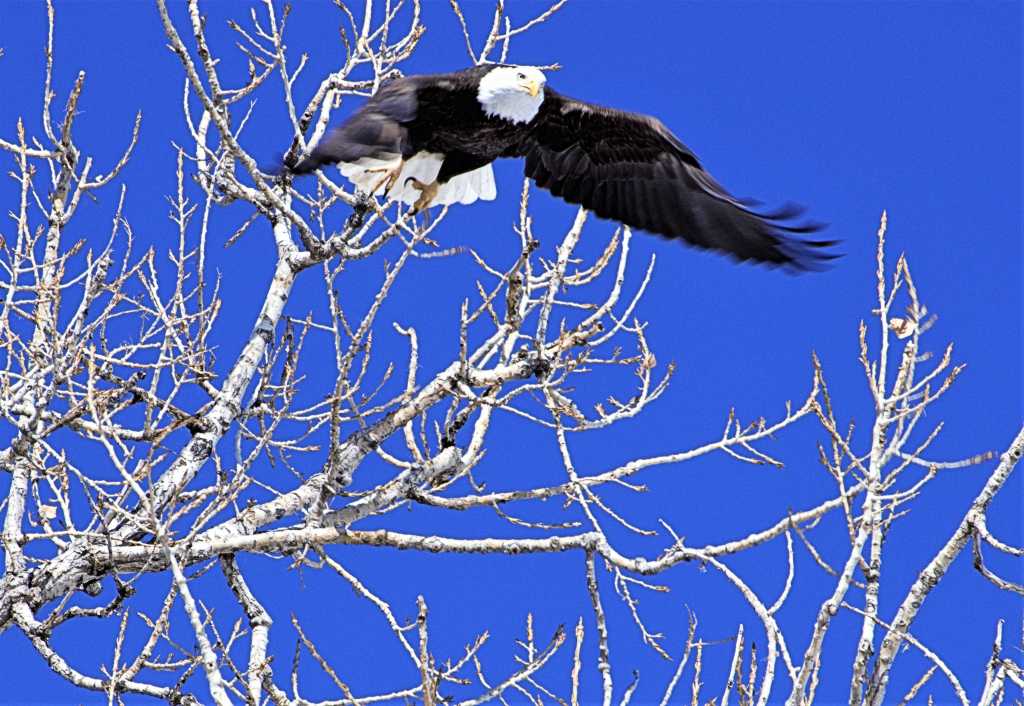
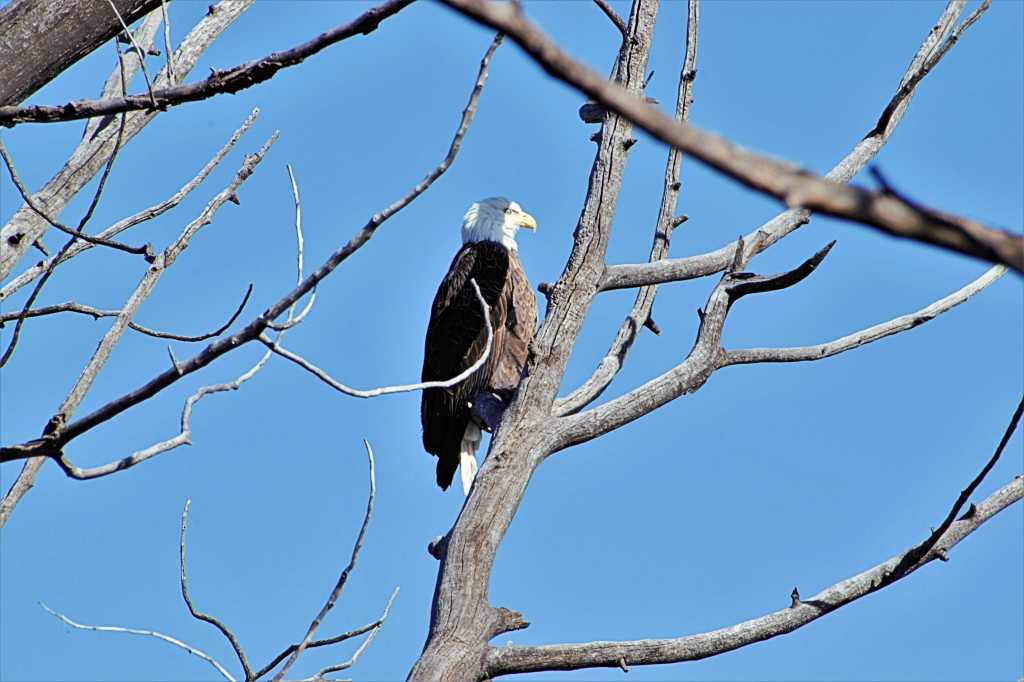
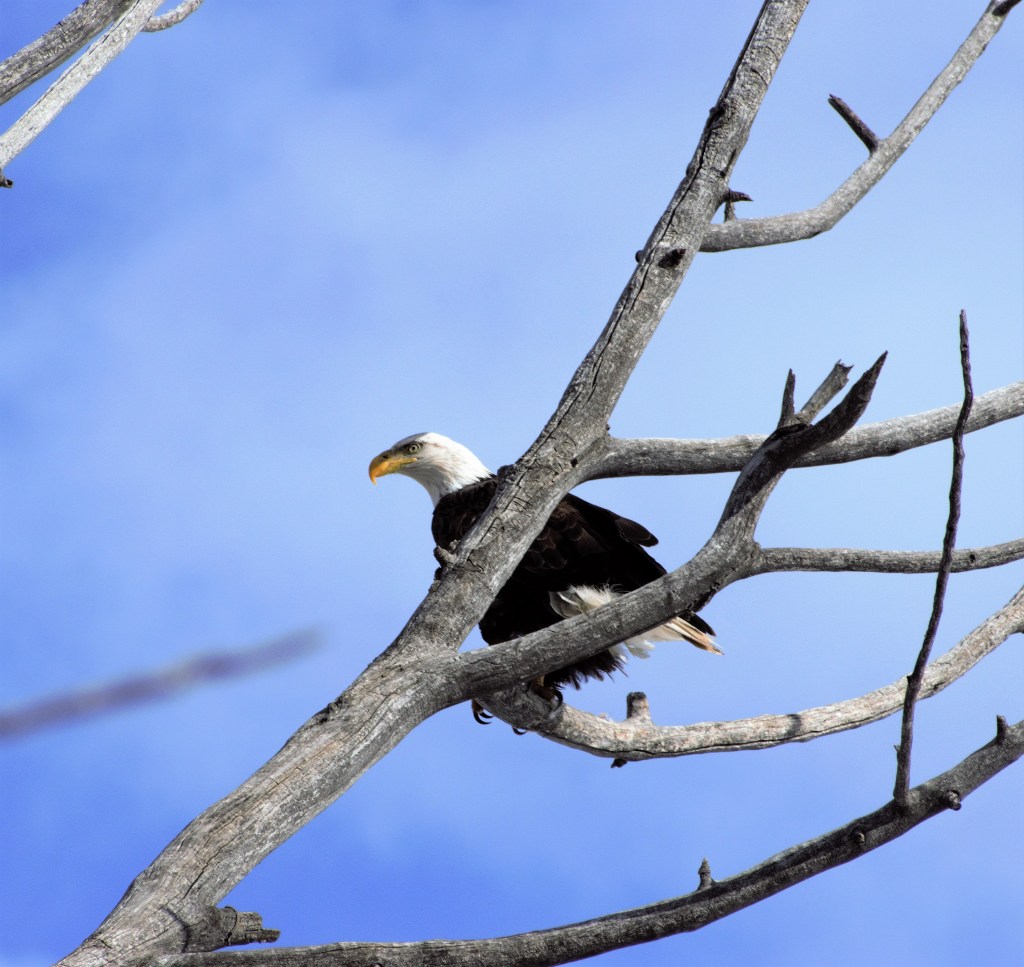
The sequence of photos above are some the most memorable and treasured photos that I have taken. I was at the terminus of the highest highway in North America, Colorado Sate Highway 5 at an elevation of 14,270 feet. Seeing a bald eagle at the top of a fourteener and able to get pictures of it is just something that you cannot do everyday.
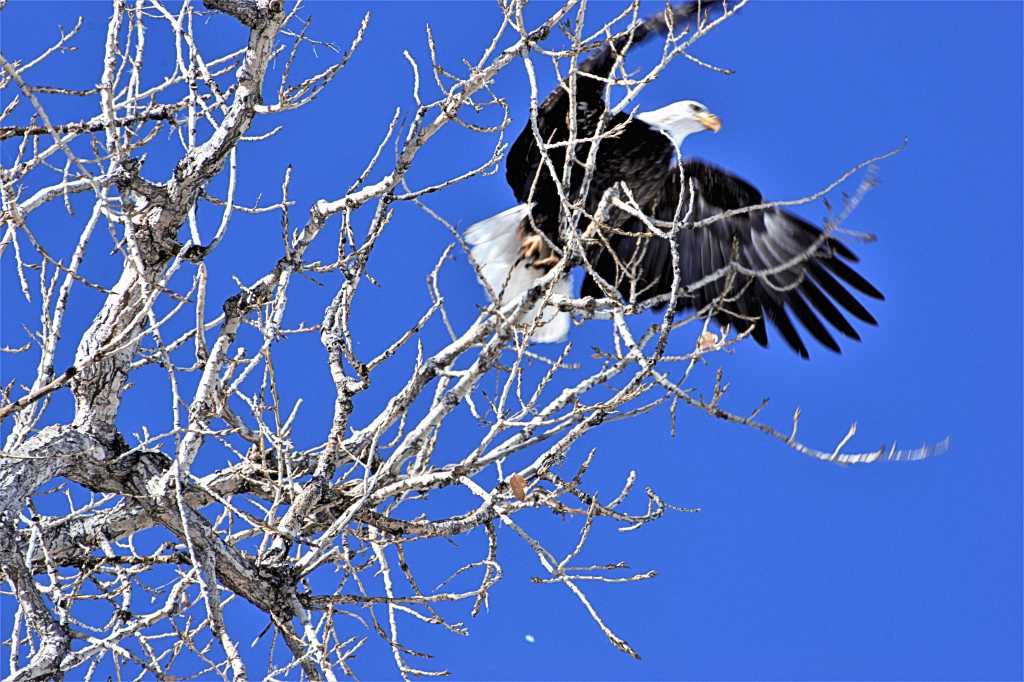
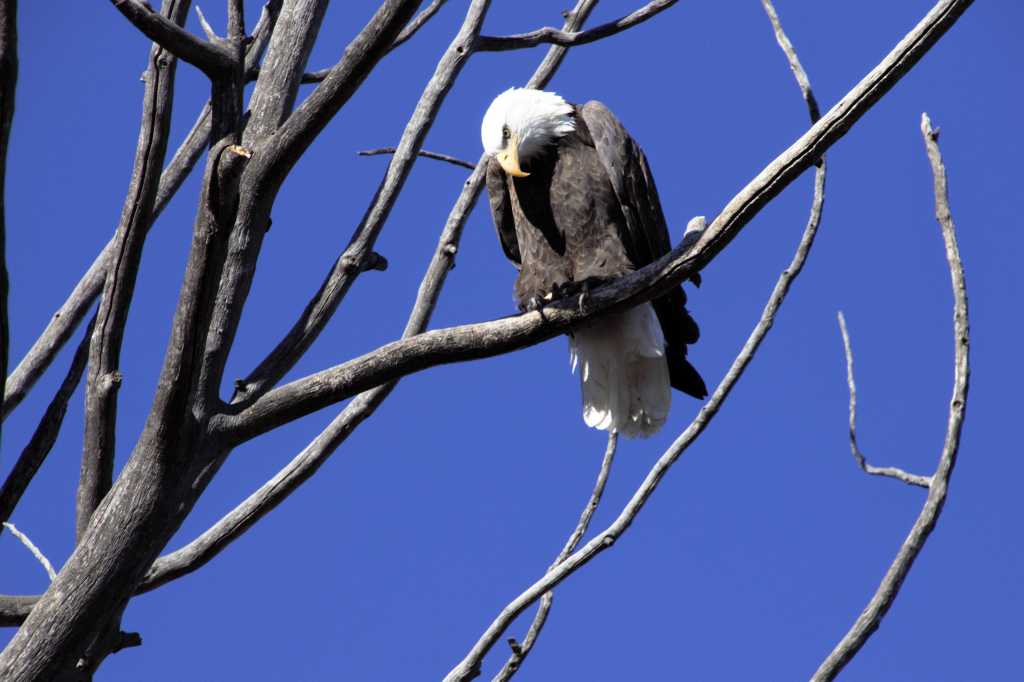
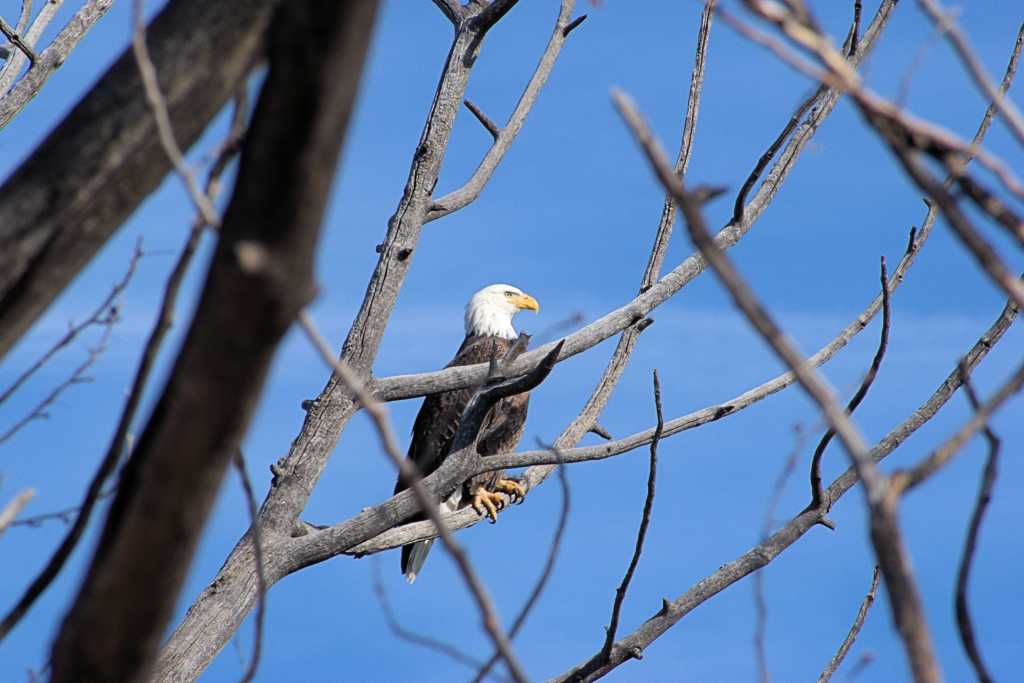
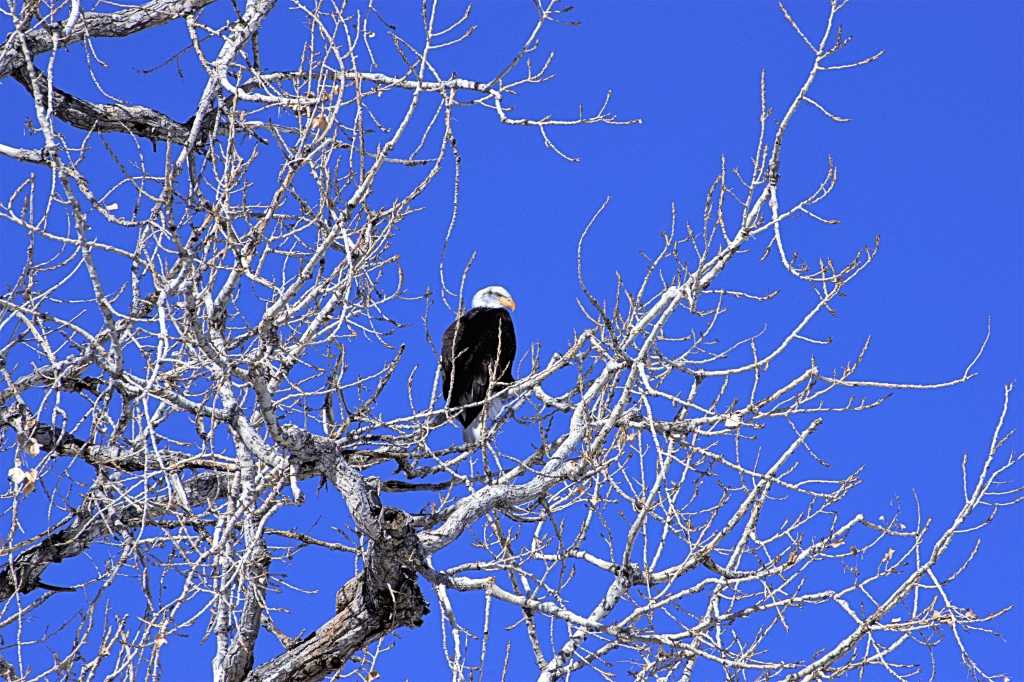
When the eagle matures at about age four or five it turns from a dark solid brown color to one that has the white head and tail. As strong and powerful as eagles are they are not the bird that you hear screeching on television and in the movies. Those bird calls are more than likely redtail hawks who have a much more intimidating oration. Eagles make squeaking and chirping calls. On WaltAbout I have found the bald eagles mostly at lakes and reservoirs during the winter and spring months and in the open fields during the summer and fall. Like all wildlife eagles follow their food supply.